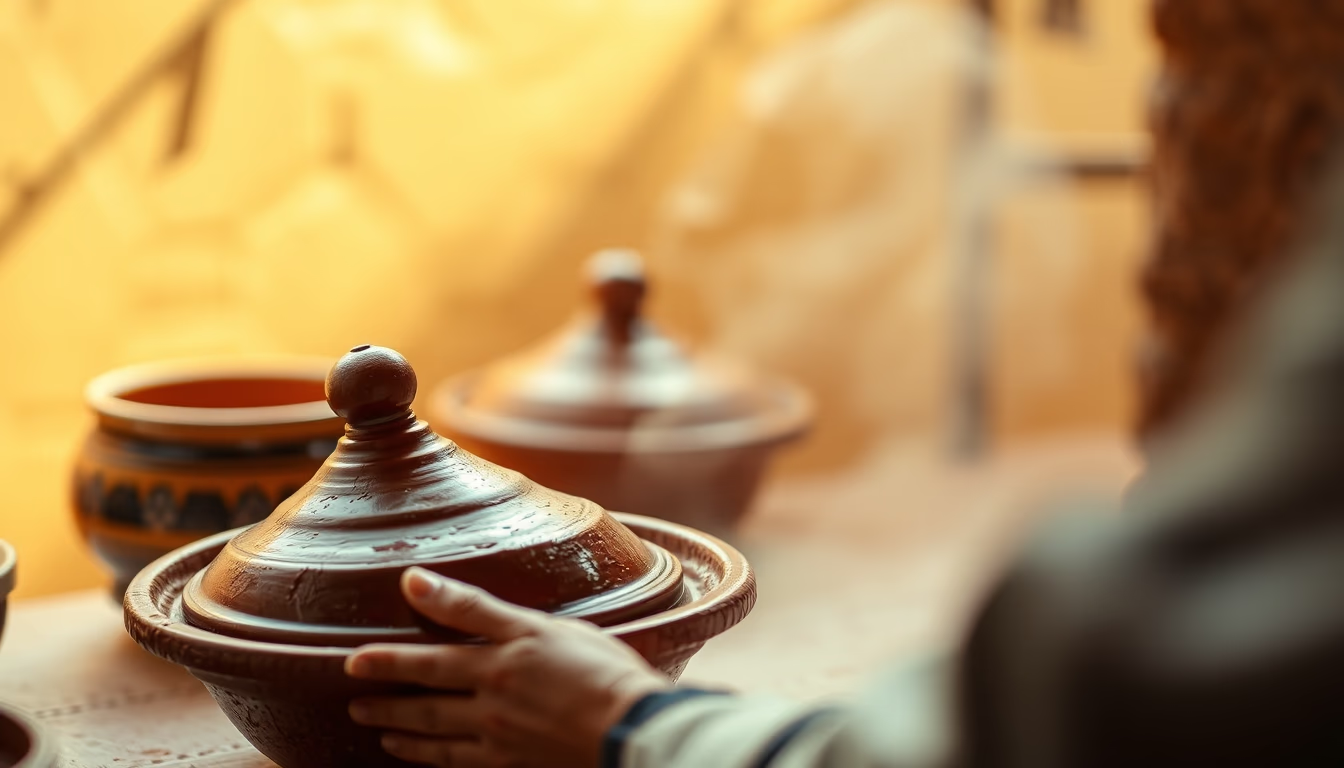
Tagine moroccan clay
1344×768 · AVIF · CC BY 4.0
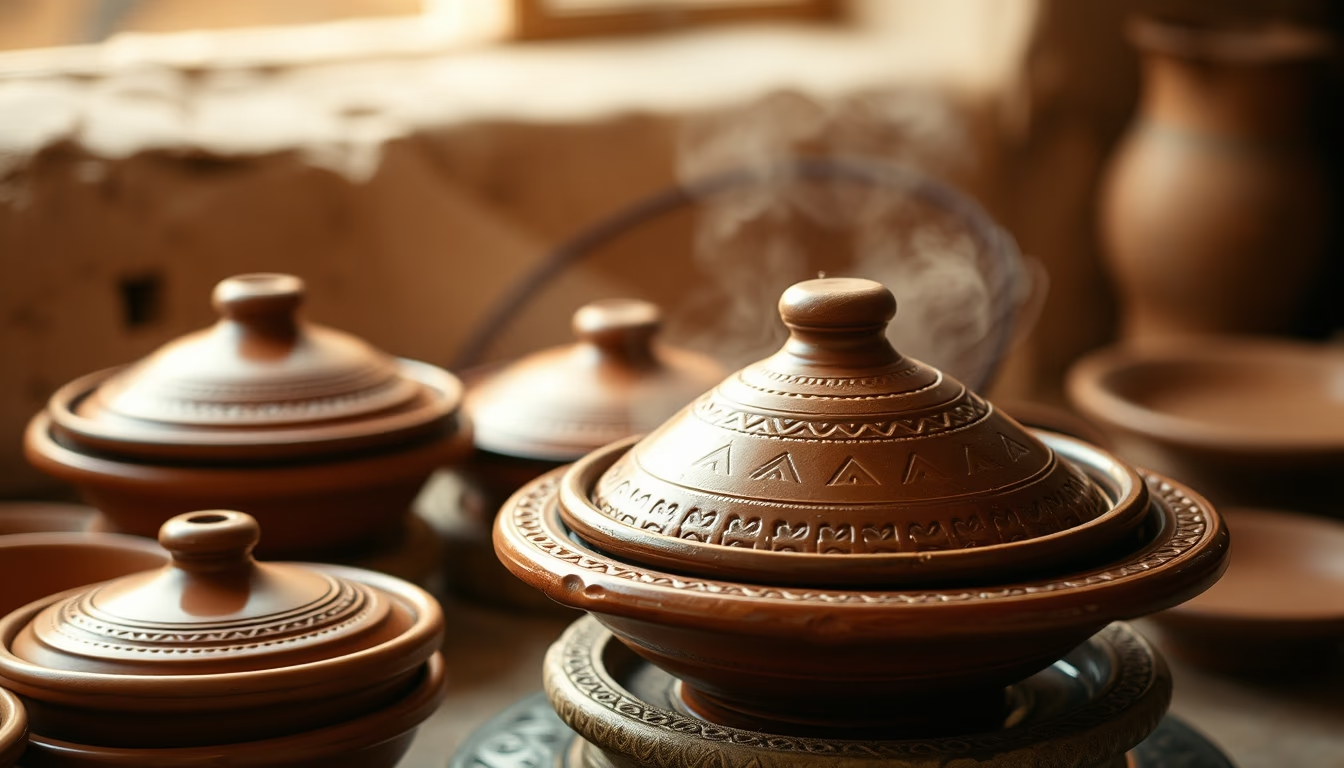
Tagine is a traditional Moroccan slow-cooked dish prepared in a conical clay pot, which imparts unique flavor and moisture to the food.
About this subject
Tagine (or tajine) refers both to the dish and the distinctive clay cooking vessel used in Moroccan cuisine. The pot consists of a wide, shallow base and a conical lid, which traps steam and returns condensed liquid to the food, resulting in extremely tender meat and vegetables. This slow-cooking method is ideal for tough cuts like lamb or chicken, which become succulent after hours of gentle heat.
Originating in North Africa, the tagine is a symbol of Moroccan hospitality and comes in countless variations, blending spices such as saffron, cumin, cinnamon, ginger, and often combining dried fruits and nuts. The famous sweet-and-savory combinations, like chicken with apricots or lamb with prunes, are a hallmark of this cuisine. The use of spices not only enhances flavor but also reflects historical trade routes across the Maghreb.
Traditional clay tagines are made from unglazed or glazed pottery, often decorated with geometric or floral patterns. Before first use, it is recommended to soak the pot in water to seal the pores and prevent cracking. While the oven is the classic cooking method, many modern cooks use the tagine on the stovetop over low heat, employing a heat diffuser to avoid thermal shock.
An interesting fact: the conical lid is not merely decorative; it allows steam to rise, condense on the inner walls, and drip back onto the dish, keeping the food moist with minimal added water. This is particularly useful in arid regions where water is scarce. Today, tagine is enjoyed worldwide and can be found in specialized restaurants and cookware stores.
Frequently Asked Questions
What is the difference between a tagine and a regular stew?
A tagine uses a clay pot with a conical lid that traps steam and returns condensation to the food, requiring very little water. The slow, low-heat cooking tenderizes tough meats and concentrates flavors, unlike a typical stew cooked in an open pot.
Can I use a tagine on an electric or induction stove?
Traditional clay tagines are best suited for oven or gas stove with a heat diffuser. Direct contact with electric or induction cooktops can cause cracking. A diffuser and low heat are recommended, or choose modern cast-iron versions designed for those surfaces.
What are essential ingredients for an authentic Moroccan tagine?
An authentic Moroccan tagine typically includes meat (lamb, chicken, or beef), onions, garlic, a blend of spices like saffron, cumin, and cinnamon, and dried fruits such as apricots or prunes. Fresh cilantro and sesame seeds are common garnishes.
Direct URL
https://pub-c7d6a6ea828543ac903a74a341ccb2e1.r2.dev/imagens/tagine-moroccan-clay-film-grain-authentic-fresh9.avifHow to credit
Include a visible link back to UtilizAí. Copy one of the snippets below:
<a href="https://xn--utiliza-eza.com/en/midia/imagens/tagine-moroccan-clay-film-grain-authentic-fresh9">Tagine moroccan clay</a> by <a href="https://xn--utiliza-eza.com">UtilizAí</a>, licensed under <a href="https://creativecommons.org/licenses/by/4.0/">CC BY 4.0</a>.
[Tagine moroccan clay](https://xn--utiliza-eza.com/en/midia/imagens/tagine-moroccan-clay-film-grain-authentic-fresh9) by [UtilizAí](https://xn--utiliza-eza.com), CC BY 4.0
License: CC-BY-4.0