Survival kit organized
1344×768 · AVIF · CC BY 4.0
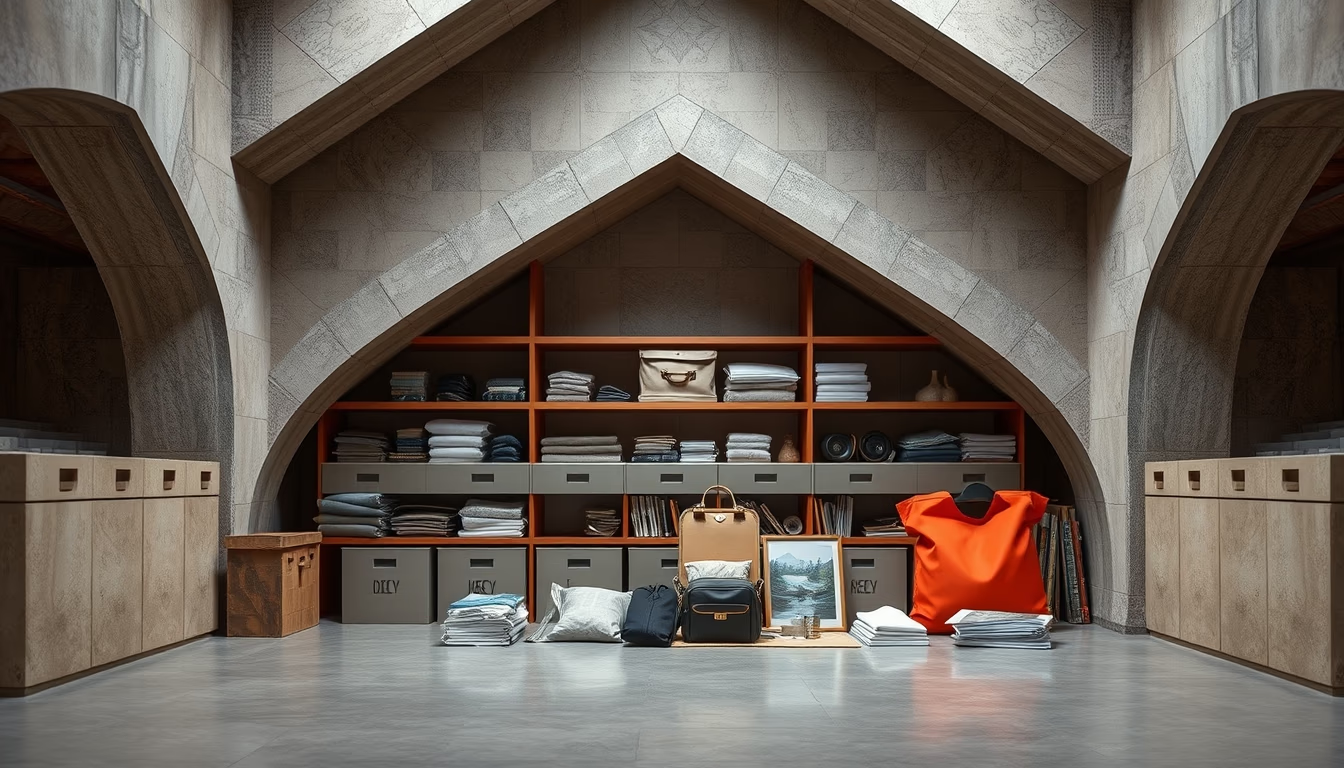
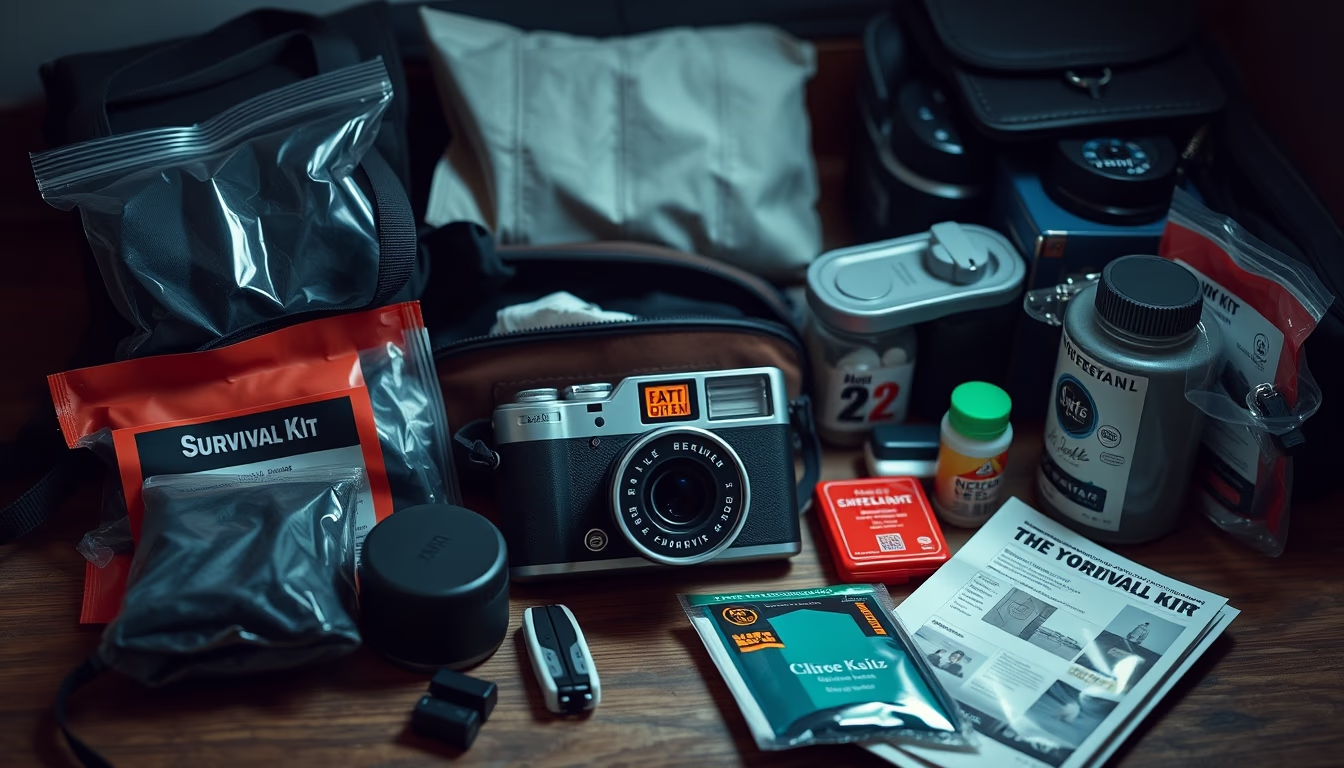
An organized survival kit brings together essential items for outdoor emergencies, combining technical preparedness with practicality.
About this subject
An organized survival kit is a carefully curated collection of tools and supplies designed to enhance safety and self-reliance in outdoor emergencies. Its contents vary by environment but typically include a multi-tool knife, fire starter (lighter or ferro rod), compass, whistle, first aid kit, potable water, high-calorie food, emergency blanket, and improvised shelter. Organization is crucial: compartments, sealed bags, and labels allow quick access even under stress. In Brazil, such kits are common in expeditions into the Amazon, tablelands, and mountain ranges, where weather can change abruptly. The history of survival kits dates back to World War II, when pilots and soldiers received standardized packages to increase their chances of rescue. Today, they are also adopted by civilians for activities like trekking, camping, and even kept in cars for roadside emergencies. The preparedness culture, known as prepping, emphasizes adapting kits to regional needs; for example, in tropical regions, insect protection and hydration are prioritized, while in cold areas, thermal insulation is the focus. Commercially organized models often use transparent modules and pre-defined compartments, facilitating periodic checks of expiration dates and item integrity. The 2026 trend, per the global tag, points to integration of electronic devices such as solar chargers and portable radios, while maintaining organization as the foundation of effectiveness. In summary, a well-organized survival kit is not just a set of objects but a logical system that can make the difference between chaos and control in a crisis.
Frequently Asked Questions
What essential items should a basic survival kit contain?
Essentials include a multi-tool knife, fire starter (lighter or ferro rod), compass, whistle, first aid kit, water, high-calorie food, emergency blanket, and improvised shelter. Organizing by module speeds access.
How to organize a survival kit efficiently?
Use sealed and labeled compartments, group items by function (fire, shelter, navigation, etc.), and regularly check expiration dates. Transparent bags allow visual inspection without opening.
What is the origin of survival kits?
They originated in World War II for pilots and soldiers, with standardized items to increase rescue chances. Today, they are adapted for civilian use in expeditions, camping, and roadside emergencies.
Direct URL
https://pub-c7d6a6ea828543ac903a74a341ccb2e1.r2.dev/imagens/survival-kit-organized-architectural-photography-p4.avifHow to credit
Include a visible link back to UtilizAí. Copy one of the snippets below:
<a href="https://xn--utiliza-eza.com/en/midia/imagens/survival-kit-organized-architectural-photography-p4">Survival kit organized</a> by <a href="https://xn--utiliza-eza.com">UtilizAí</a>, licensed under <a href="https://creativecommons.org/licenses/by/4.0/">CC BY 4.0</a>.
[Survival kit organized](https://xn--utiliza-eza.com/en/midia/imagens/survival-kit-organized-architectural-photography-p4) by [UtilizAí](https://xn--utiliza-eza.com), CC BY 4.0
License: CC-BY-4.0