Sugarcane field with controlled burn at sunset in countryside
1344×768 · AVIF · CC BY 4.0
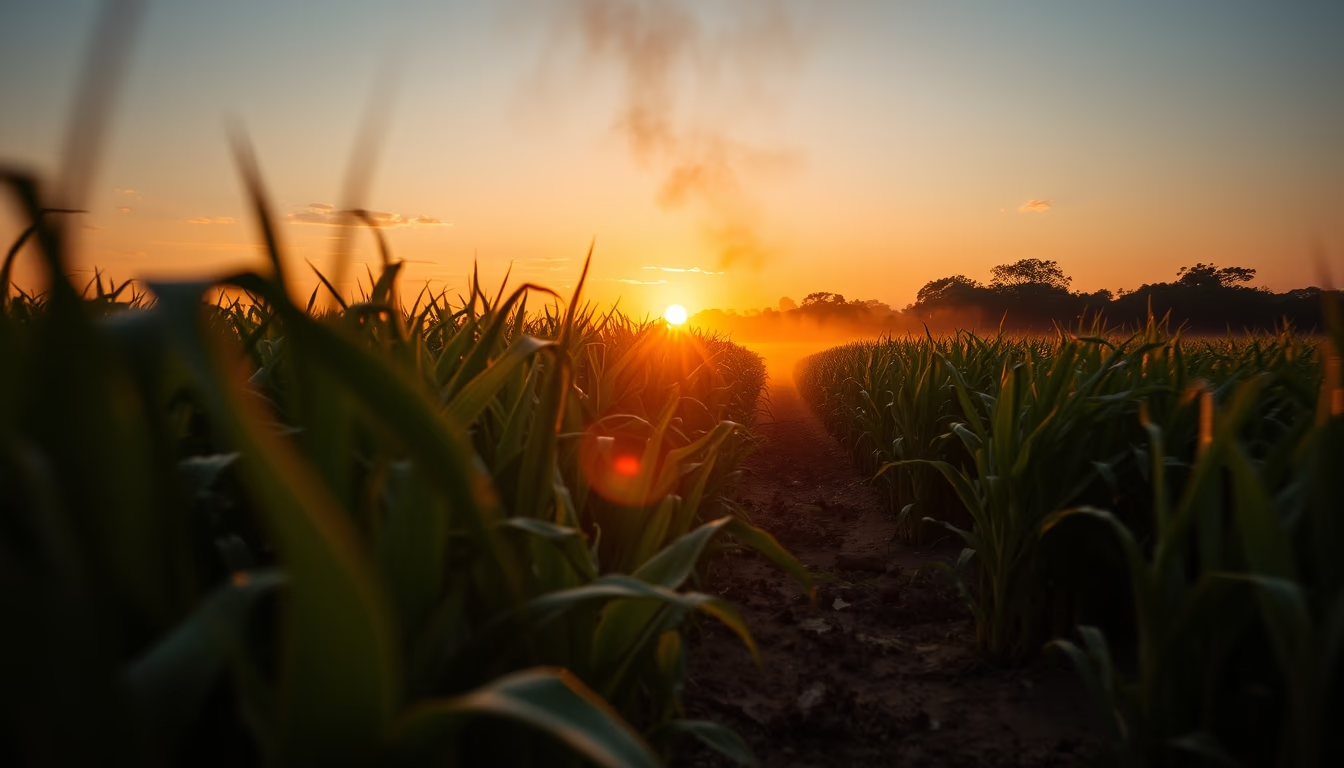
Controlled burn in a sugarcane field at sunset in São Paulo countryside: an agricultural method that prepares for harvest and sparks environmental debates.
About this subject
Controlled burning of sugarcane fields is a traditional practice in Brazilian agribusiness, especially in São Paulo state, the country's largest sugarcane producer. Fire is used to remove dry leaves and straw, making manual cutting easier and reducing the risk of accidents with venomous animals. However, this technique is gradually being replaced by mechanized green harvesting, which avoids pollutant emissions and keeps straw on the soil, contributing to nutrient cycling.
The scene at sunset in the São Paulo countryside captures a critical moment of the harvest season, which runs from May to November. Burns are authorized by environmental agencies under licenses that specify times, weather conditions, and safety distances. Despite controls, smoke can disturb nearby populations and affect air quality, leading to protests from rural and urban communities.
Economically, sugarcane is the basis for sugar, ethanol, and bioelectricity production. Brazil is the world's leading sugarcane producer, with São Paulo accounting for about 60% of the national total. Although declining, burning still persists in rugged terrain where machines cannot operate efficiently. In 2023, roughly 30% of São Paulo's harvest still used fire, a figure that drops annually with sector modernization.
The debate over the environmental and social impacts of burning involves rural workers, who often prefer the method for safety and productivity reasons. On the other hand, studies indicate that exposure to soot increases respiratory risks. Balancing tradition, efficiency, and sustainability remains a challenge for the sugarcane agribusiness.
Frequently Asked Questions
Why is sugarcane burned before harvest?
Burning removes straw and dry leaves, making manual cutting easier, reducing hiding places for venomous animals, and increasing cutter productivity.
Is controlled burning legal?
Yes, when authorized by environmental agencies like CETESB in São Paulo. Rules cover timing, weather conditions, and safety distances to minimize impacts.
What is the difference between burned harvest and green mechanical harvest?
In green harvest, cane is cut without prior burning, leaving straw on the soil, which reduces emissions, retains moisture, and recycles nutrients. Burning speeds up cutting but pollutes the air and degrades soil.
Direct URL
https://pub-c7d6a6ea828543ac903a74a341ccb2e1.r2.dev/imagens/sugarcane-field-on-fire-being-controlled-at-sunset-in-sao-paulo-countryside-wide-late-afternoon.avifHow to credit
Include a visible link back to UtilizAí. Copy one of the snippets below:
<a href="https://xn--utiliza-eza.com/en/midia/imagens/sugarcane-field-on-fire-being-controlled-at-sunset-in-sao-paulo-countryside-wide-late-afternoon">Sugarcane field with controlled burn at sunset in countryside</a> by <a href="https://xn--utiliza-eza.com">UtilizAí</a>, licensed under <a href="https://creativecommons.org/licenses/by/4.0/">CC BY 4.0</a>.
[Sugarcane field with controlled burn at sunset in countryside](https://xn--utiliza-eza.com/en/midia/imagens/sugarcane-field-on-fire-being-controlled-at-sunset-in-sao-paulo-countryside-wide-late-afternoon) by [UtilizAí](https://xn--utiliza-eza.com), CC BY 4.0
License: CC-BY-4.0