Sugarcane field with controlled burn at sunset in countryside
1344×768 · AVIF · CC BY 4.0
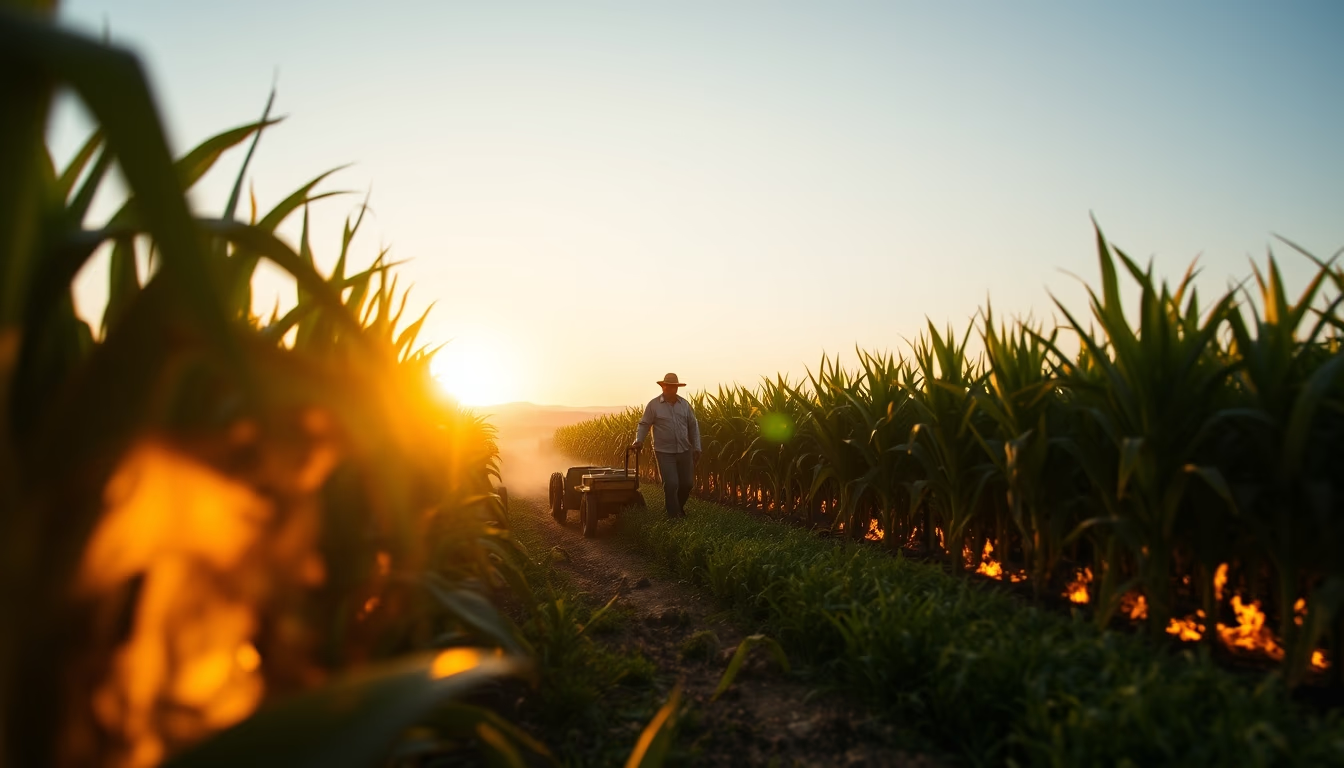
Controlled burning of sugarcane fields at sunset in São Paulo countryside, an agricultural practice still used in some areas despite decline.
About this subject
Controlled burning of sugarcane is a traditional agricultural technique in Brazil, particularly in São Paulo state, the country's largest sugarcane producer. Fire removes straw and dry leaves, making manual harvesting easier and reducing the risk of accidents with venomous animals. However, this practice is gradually being replaced by mechanized harvesting, which avoids carbon emissions and soil damage.
The image shows a sugarcane field on fire at sunset, a common scene in the São Paulo countryside during the harvest season from May to November. The contrast between the orange flames and the reddish sky creates a dramatic landscape, but also raises environmental concerns. Burning sugarcane straw releases tons of CO2 and particulate matter, affecting air quality in producing regions.
Despite negative impacts, controlled burning is still allowed in areas where mechanization is unfeasible, such as steep slopes or small farms. State laws, like São Paulo's Law 11.241/2002, set deadlines for gradual elimination, with a 50% reduction target by 2020 and full extinction by 2030. The sunset scene, with firefighters or rural workers controlling the fire, symbolizes the transition between tradition and modernity.
Interestingly, burning also affects local wildlife: birds and small mammals flee the flames, while some species, like the savanna hawk, benefit by hunting disoriented prey. Fire management requires planning, with firebreaks (strips without vegetation) to prevent spreading. The photograph, taken in late afternoon, captures a moment of control and tension, where human labor and natural elements meet.
Frequently Asked Questions
Why is controlled burning of sugarcane done?
Controlled burning removes straw and dry leaves, making manual harvesting easier and reducing risks of accidents with venomous animals like snakes and spiders.
Is controlled burning legal?
Yes, but with restrictions. In São Paulo, Law 11.241/2002 permits burning in areas where mechanization is unfeasible, with gradual elimination deadlines until 2030.
What are the environmental impacts of sugarcane burning?
It releases CO2 and particulate matter, contributing to air pollution and the greenhouse effect. It can also cause soil nutrient loss and affect local wildlife.
Direct URL
https://pub-c7d6a6ea828543ac903a74a341ccb2e1.r2.dev/imagens/sugarcane-field-on-fire-being-controlled-at-sunset-in-sao-paulo-countryside-symmetric-bright-midday-3.avifHow to credit
Include a visible link back to UtilizAí. Copy one of the snippets below:
<a href="https://xn--utiliza-eza.com/en/midia/imagens/sugarcane-field-on-fire-being-controlled-at-sunset-in-sao-paulo-countryside-symmetric-bright-midday-3">Sugarcane field with controlled burn at sunset in countryside</a> by <a href="https://xn--utiliza-eza.com">UtilizAí</a>, licensed under <a href="https://creativecommons.org/licenses/by/4.0/">CC BY 4.0</a>.
[Sugarcane field with controlled burn at sunset in countryside](https://xn--utiliza-eza.com/en/midia/imagens/sugarcane-field-on-fire-being-controlled-at-sunset-in-sao-paulo-countryside-symmetric-bright-midday-3) by [UtilizAí](https://xn--utiliza-eza.com), CC BY 4.0
License: CC-BY-4.0