Sugarcane field with controlled burn at sunset in countryside
1344×768 · AVIF · CC BY 4.0
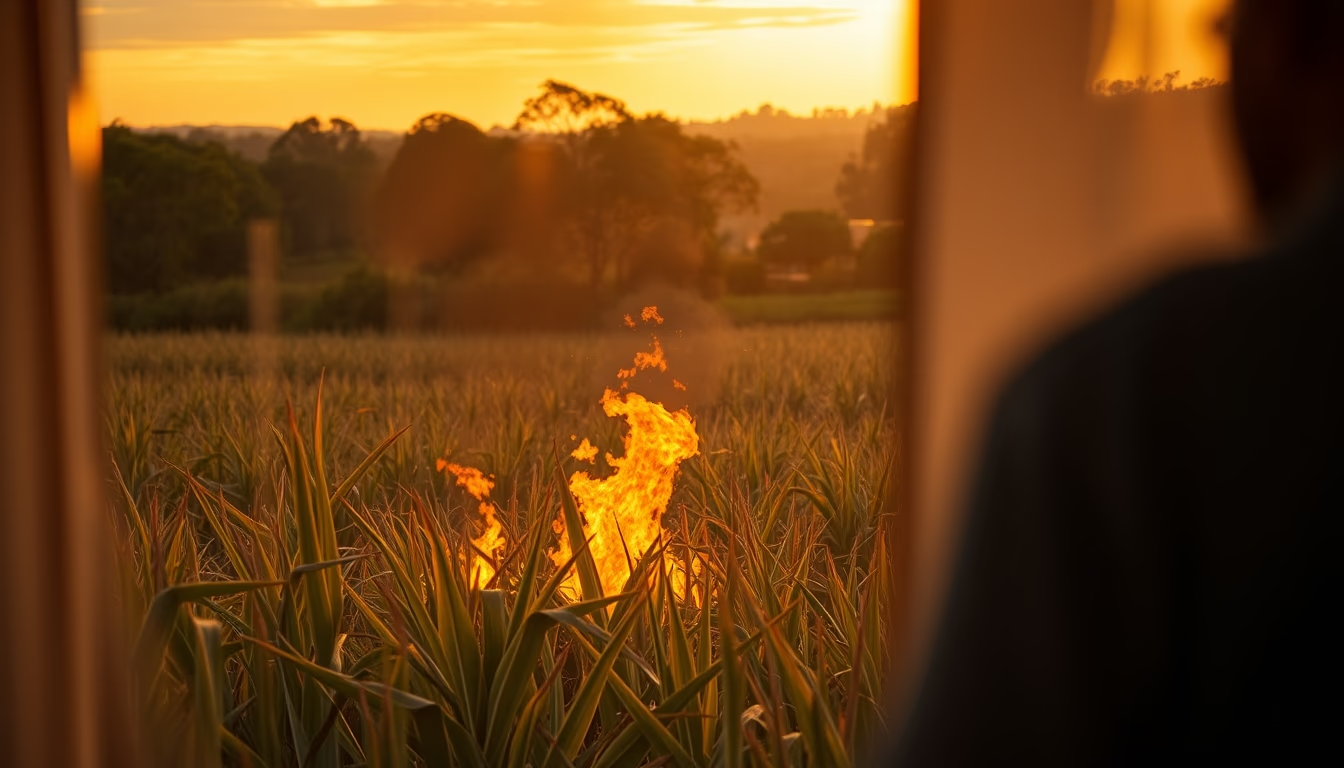
Controlled burn of a sugarcane field at sunset in São Paulo countryside, an agricultural practice to facilitate manual harvesting.
About this subject
Controlled burning of sugarcane fields is a traditional agricultural technique in Brazil, especially in São Paulo state, the largest national producer of sugarcane. The fire removes dry leaves and straw, reducing risks of accidents with venomous animals and increasing productivity for manual cutters. The practice occurs mainly during the harvest season, from April to November, and is regulated by state laws requiring environmental permits and weather monitoring to prevent uncontrolled spread.
The sunset in the São Paulo countryside creates a dramatic scene, with fire contrasting against the orange sky. Sugarcane is the backbone of the local economy, supplying mills that produce sugar, ethanol, and bioelectricity. Despite operational benefits, burns generate air pollution and contribute to greenhouse gas emissions. Therefore, the sector has been shifting to mechanized harvesting, which eliminates the need for fire and reduces environmental impacts.
Interestingly, controlled burning is also used to control pests and renew sugarcane fields. In 2020, São Paulo state registered over 10,000 permits for sugarcane burning, covering about 1.5 million hectares. The technique dates back to the colonial period when cane was manually cut by enslaved workers. Today, mechanization advances, but burning persists in areas with rough terrain or where labor is abundant.
Frequently Asked Questions
Why is controlled burning done in sugarcane fields?
To remove dry leaves and straw, making manual cutting easier, reducing accident risks with venomous animals, and increasing worker productivity.
Is controlled burning legal?
Yes, but it requires environmental permits and must follow rules such as wind and humidity monitoring, and is usually allowed only in late afternoon.
Does burning harm the environment?
Yes, it releases smoke and greenhouse gases. Therefore, the sugarcane industry is replacing burning with mechanized harvesting, which is more sustainable.
Direct URL
https://pub-c7d6a6ea828543ac903a74a341ccb2e1.r2.dev/imagens/sugarcane-field-on-fire-being-controlled-at-sunset-in-sao-paulo-countryside-documentary-morning-2.avifHow to credit
Include a visible link back to UtilizAí. Copy one of the snippets below:
<a href="https://xn--utiliza-eza.com/en/midia/imagens/sugarcane-field-on-fire-being-controlled-at-sunset-in-sao-paulo-countryside-documentary-morning-2">Sugarcane field with controlled burn at sunset in countryside</a> by <a href="https://xn--utiliza-eza.com">UtilizAí</a>, licensed under <a href="https://creativecommons.org/licenses/by/4.0/">CC BY 4.0</a>.
[Sugarcane field with controlled burn at sunset in countryside](https://xn--utiliza-eza.com/en/midia/imagens/sugarcane-field-on-fire-being-controlled-at-sunset-in-sao-paulo-countryside-documentary-morning-2) by [UtilizAí](https://xn--utiliza-eza.com), CC BY 4.0
License: CC-BY-4.0