Sugarcane field with controlled burn at sunset in countryside
1344×768 · AVIF · CC BY 4.0
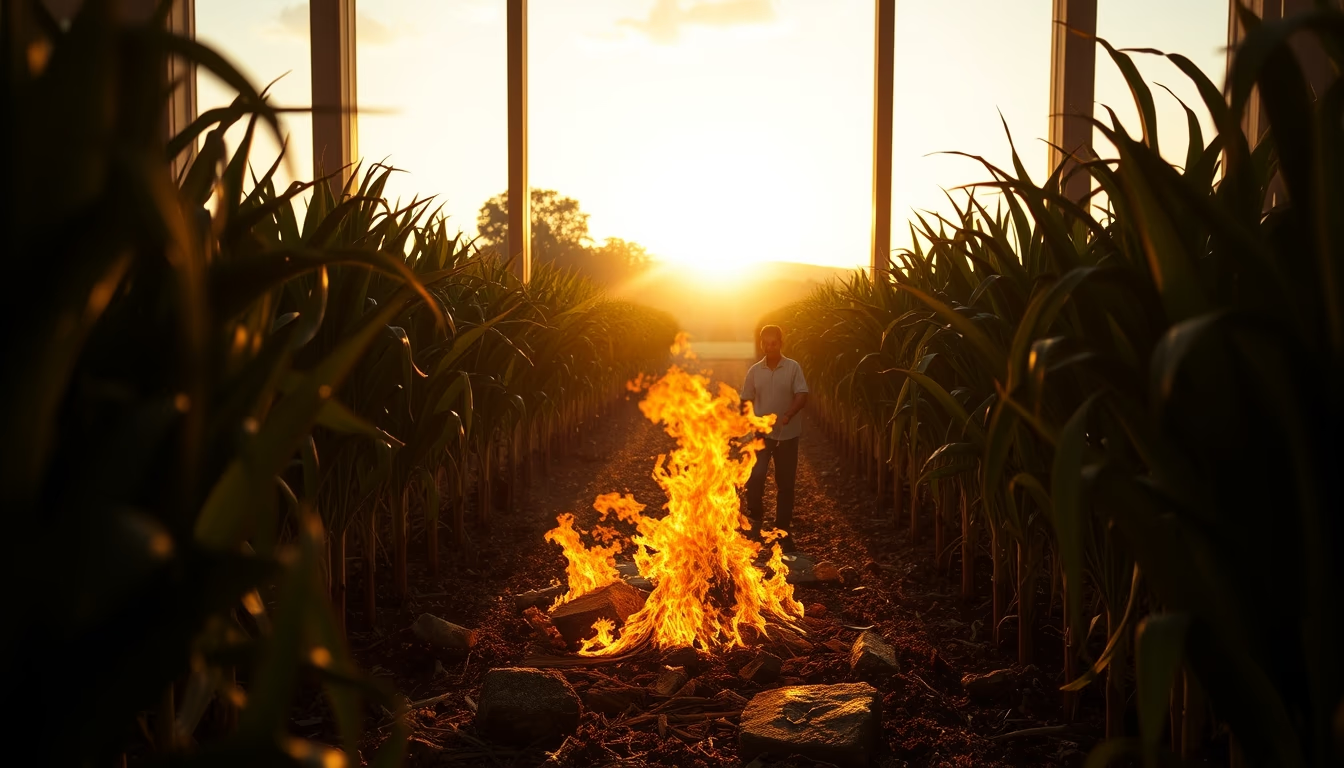
Controlled burn in a sugarcane field at sunset in São Paulo countryside, a traditional agricultural technique that prepares the soil for harvest.
About this subject
Controlled burning is an agricultural practice still used in Brazilian sugarcane fields, especially in São Paulo state, the country's largest sugarcane producer. Fire is set deliberately to remove straw, dry leaves, and pests, making manual harvesting easier. The sunset scene highlights the contrast between flames and the orange sky, typical of the São Paulo countryside during the harvest season from May to November.
The technique, though efficient, is controversial. Burning releases soot and greenhouse gases, contributing to air pollution and respiratory problems in nearby communities. Therefore, São Paulo has laws restricting burning, with a phase-out deadline by 2031. About 60% of the harvest is already mechanized, requiring no fire.
Sugarcane is the basis of Brazilian ethanol, a biofuel that powers millions of vehicles. Brazil is the world's largest sugarcane producer, with an annual harvest exceeding 600 million tons. The image symbolizes the transition between traditional and modern methods in Brazilian agriculture, where fire is still used in areas with steep terrain or available labor.
Interesting fact: controlled burning requires environmental permits and is monitored to prevent spreading. Workers use protective gear, and the fire is extinguished after leaf removal. The practice dates back to the colonial era, when sugarcane was Brazil's main wealth.
Frequently Asked Questions
Why is controlled burning used in sugarcane fields?
Controlled burning removes straw and dry leaves, making manual cutting easier and reducing risks from venomous animals. It also helps control pests.
Is controlled burning allowed in Brazil?
Yes, but with restrictions. In São Paulo, burning is permitted under license and with a phase-out deadline by 2031. Regulations vary in other regions.
What is the environmental impact of sugarcane burning?
Burning releases CO2 and particulate matter, contributing to global warming and respiratory issues. However, mechanized harvesting is reducing this practice.
Direct URL
https://pub-c7d6a6ea828543ac903a74a341ccb2e1.r2.dev/imagens/sugarcane-field-on-fire-being-controlled-at-sunset-in-sao-paulo-countryside-documentary-morning.avifHow to credit
Include a visible link back to UtilizAí. Copy one of the snippets below:
<a href="https://xn--utiliza-eza.com/en/midia/imagens/sugarcane-field-on-fire-being-controlled-at-sunset-in-sao-paulo-countryside-documentary-morning">Sugarcane field with controlled burn at sunset in countryside</a> by <a href="https://xn--utiliza-eza.com">UtilizAí</a>, licensed under <a href="https://creativecommons.org/licenses/by/4.0/">CC BY 4.0</a>.
[Sugarcane field with controlled burn at sunset in countryside](https://xn--utiliza-eza.com/en/midia/imagens/sugarcane-field-on-fire-being-controlled-at-sunset-in-sao-paulo-countryside-documentary-morning) by [UtilizAí](https://xn--utiliza-eza.com), CC BY 4.0
License: CC-BY-4.0