Studio lights set production
1344×768 · AVIF · CC BY 4.0
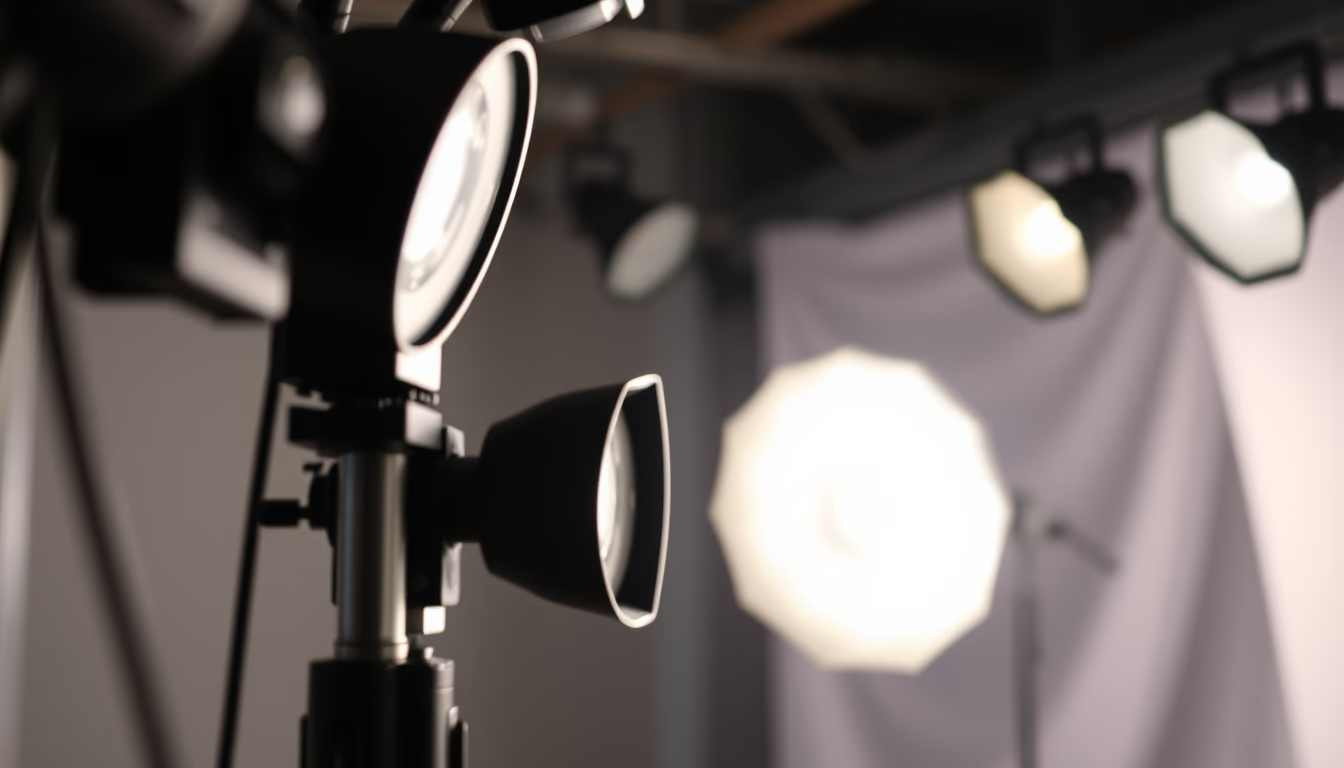
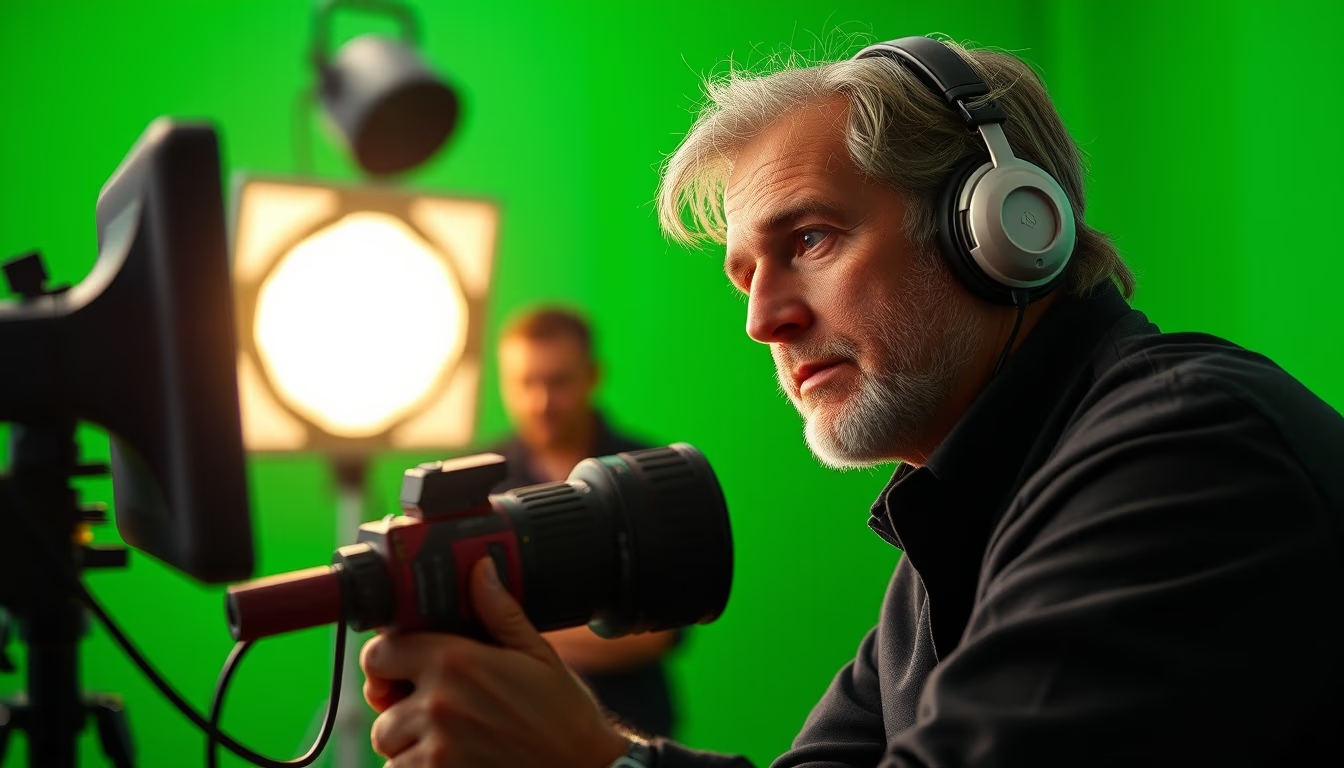
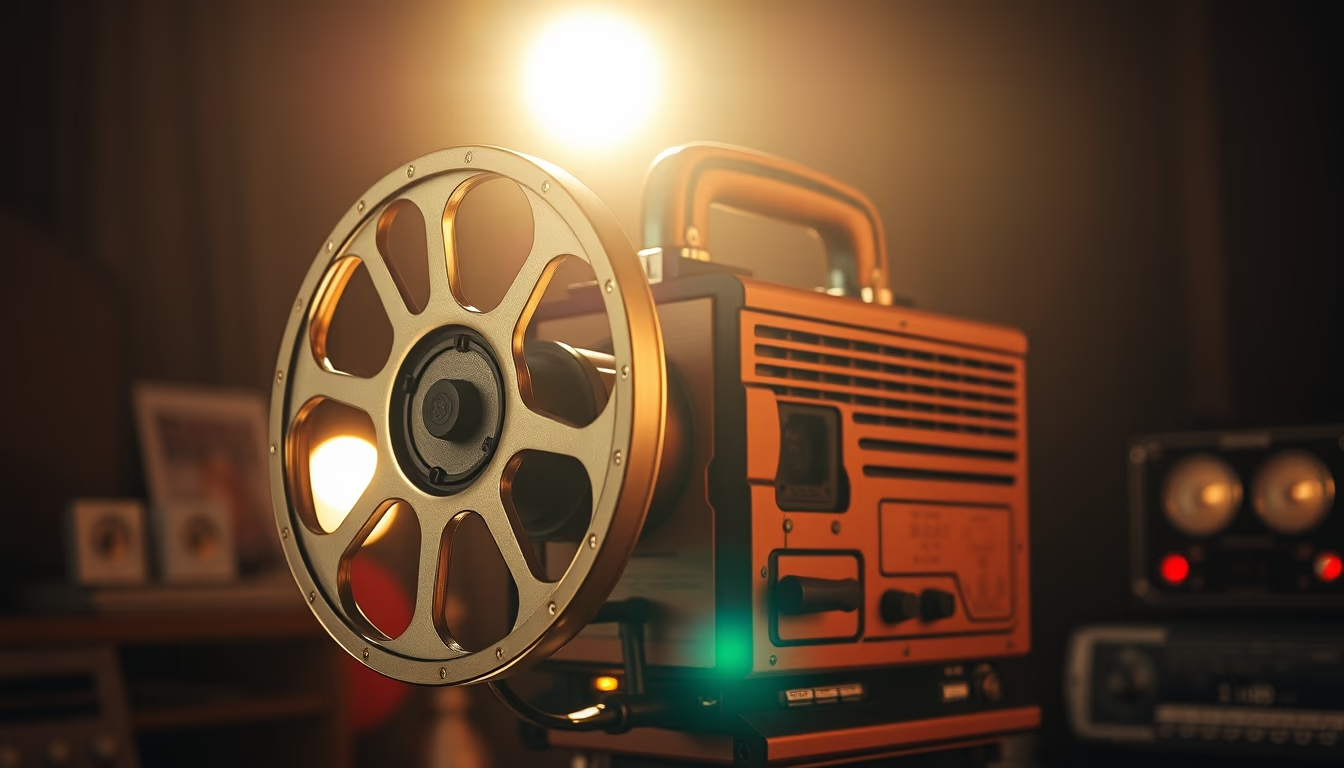
Studio lights are essential equipment in film production, responsible for controlling lighting and creating specific atmospheres.
About this subject
Studio lights are fundamental in film production, allowing precise control of scene lighting. Different types of lights, such as fresnel, LED, and tungsten, offer variations in color temperature and intensity. The use of softboxes, diffusers, and reflectors helps soften shadows and shape the light. The three-point lighting setup (key light, fill light, and back light) is a classic technique that highlights the subject and adds depth.
In cinema, lighting directly influences mood and narrative. For example, hard light can create suspense or drama, while soft light conveys romance or tranquility. Great cinematographers like Gordon Willis and Roger Deakins are known for their mastery of lighting. Color temperature, measured in Kelvin, ranges from warm tones (3200K) to cool ones (5600K), and the choice depends on the scene.
With technological advances, LED lights have become popular for their energy efficiency, low heat output, and adjustable color. They allow remote control and integration with dimmer systems, streamlining the creative process. In low-budget productions, portable studio lights such as LED panels are often used to simulate natural or artificial light.
Safety in using studio lights is crucial, as high-power equipment can overheat. Cables must be organized to prevent accidents, and safety filters against lamp rupture are recommended. Lighting professionals (gaffers and electricians) are trained to operate these equipment efficiently and safely.
Frequently Asked Questions
What is the difference between hard and soft studio light?
Hard light produces sharp shadows and high contrast, while soft light creates diffuse shadows and smooth transitions, usually achieved with softboxes or diffusers.
What is color temperature and how to choose it?
Color temperature is measured in Kelvin (K) and indicates the light's tone: warm (around 3200K) or cool (around 5600K). The choice depends on the environment and desired mood.
What are the main types of studio lights?
The main types are: tungsten (halogen), fluorescent, LED, and HMI. LED is preferred for efficiency and color adjustment; HMI is common outdoors for simulating daylight.
Direct URL
https://pub-c7d6a6ea828543ac903a74a341ccb2e1.r2.dev/imagens/studio-lights-set-production-macro-closeup-p1.avifHow to credit
Include a visible link back to UtilizAí. Copy one of the snippets below:
<a href="https://xn--utiliza-eza.com/en/midia/imagens/studio-lights-set-production-macro-closeup-p1">Studio lights set production</a> by <a href="https://xn--utiliza-eza.com">UtilizAí</a>, licensed under <a href="https://creativecommons.org/licenses/by/4.0/">CC BY 4.0</a>.
[Studio lights set production](https://xn--utiliza-eza.com/en/midia/imagens/studio-lights-set-production-macro-closeup-p1) by [UtilizAí](https://xn--utiliza-eza.com), CC BY 4.0
License: CC-BY-4.0