Storyboard sketches
1344×768 · AVIF · CC BY 4.0
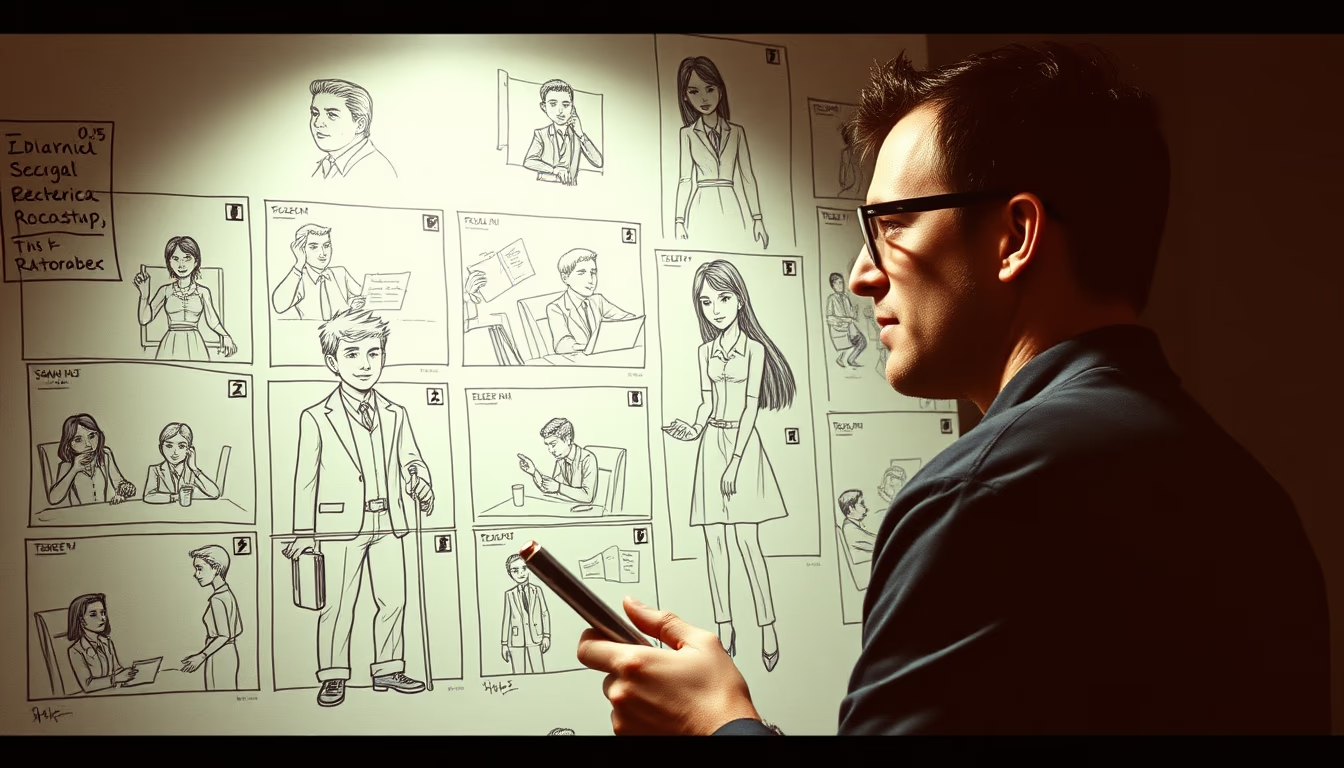
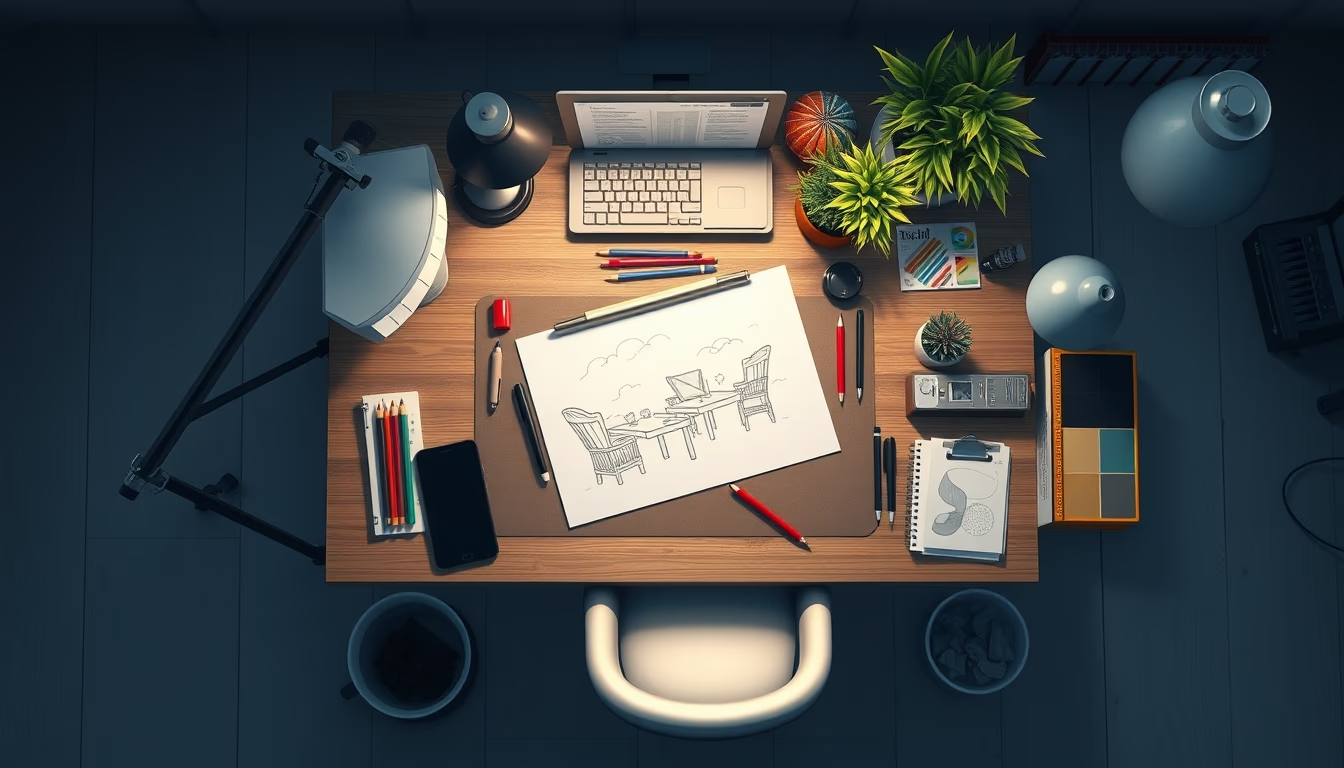
Storyboard sketches are sequential drawings used in film and animation to plan scenes, camera angles, and movements before shooting.
About this subject
Storyboard sketches are essential tools in the pre-production of films, animations, music videos, and advertising. They function as a visual script, allowing directors, cinematographers, and editors to align the visual narrative before any filming takes place. Each panel represents a key scene, with indications of character positions, camera angles, lighting, and transitions. Famous filmmakers like Alfred Hitchcock and Hayao Miyazaki were known for extremely detailed storyboards that guided the entire production team.
The process of creating storyboards usually begins with quick, loose sketches, drawn in pencil or pen, which capture the essence of the scene without worrying about artistic details. These initial drafts are called "thumbnails" and evolve into more refined versions. The "lo-fi" aesthetic of disposable camera photographs, mentioned in the tags, evokes a nostalgic, raw feeling, similar to the spontaneity of early storyboard scribbles. This connection between the improvisation of sketches and the lo-fi aesthetic highlights the exploratory and experimental nature of the storyboard phase.
Culturally, storyboards are as important as the script itself. They directly influence the rhythm and clarity of the narrative. In Brazil, animation studios like Copa Studio and Birdo Studio use storyboards for national and international productions. Additionally, storyboarding is taught in film and design courses, being a valued skill in the creative market. The technique has also expanded into areas such as digital games and virtual reality, where visual planning is crucial.
A curiosity: the term "storyboard" was popularized by Walt Disney Studios in the 1930s, when artists like Webb Smith began drawing sequences on large panels. Today, many artists use tablets and software like Toon Boom Storyboard Pro, but pencil and paper are still preferred for their speed and simplicity. The combination with the disposable camera aesthetic suggests a return to analog roots, celebrating the imperfection and authenticity of the human touch.
Frequently Asked Questions
What is the difference between a storyboard and an animatic?
A storyboard is a series of static drawings that visually tell the story. An animatic is an edited version of the storyboard with audio, music, and timing, creating a rough cinematic preview before final production.
What materials are used for storyboarding?
Traditionally, pencil, pen, and paper are used. Nowadays, many professionals use graphic tablets and software such as Storyboard Pro, Photoshop, or even mobile apps for quick sketches.
Why are storyboards important in audiovisual production?
They save time and money by planning each scene in advance, avoiding errors in continuity, framing, or lighting. They also facilitate communication among the crew and ensure the director's vision is executed.
Direct URL
https://pub-c7d6a6ea828543ac903a74a341ccb2e1.r2.dev/imagens/storyboard-sketches-lo-fi-disposable-camera-fresh18.avifHow to credit
Include a visible link back to UtilizAí. Copy one of the snippets below:
<a href="https://xn--utiliza-eza.com/en/midia/imagens/storyboard-sketches-lo-fi-disposable-camera-fresh18">Storyboard sketches</a> by <a href="https://xn--utiliza-eza.com">UtilizAí</a>, licensed under <a href="https://creativecommons.org/licenses/by/4.0/">CC BY 4.0</a>.
[Storyboard sketches](https://xn--utiliza-eza.com/en/midia/imagens/storyboard-sketches-lo-fi-disposable-camera-fresh18) by [UtilizAí](https://xn--utiliza-eza.com), CC BY 4.0
License: CC-BY-4.0