Starfield night clear sky
1344×768 · AVIF · CC BY 4.0
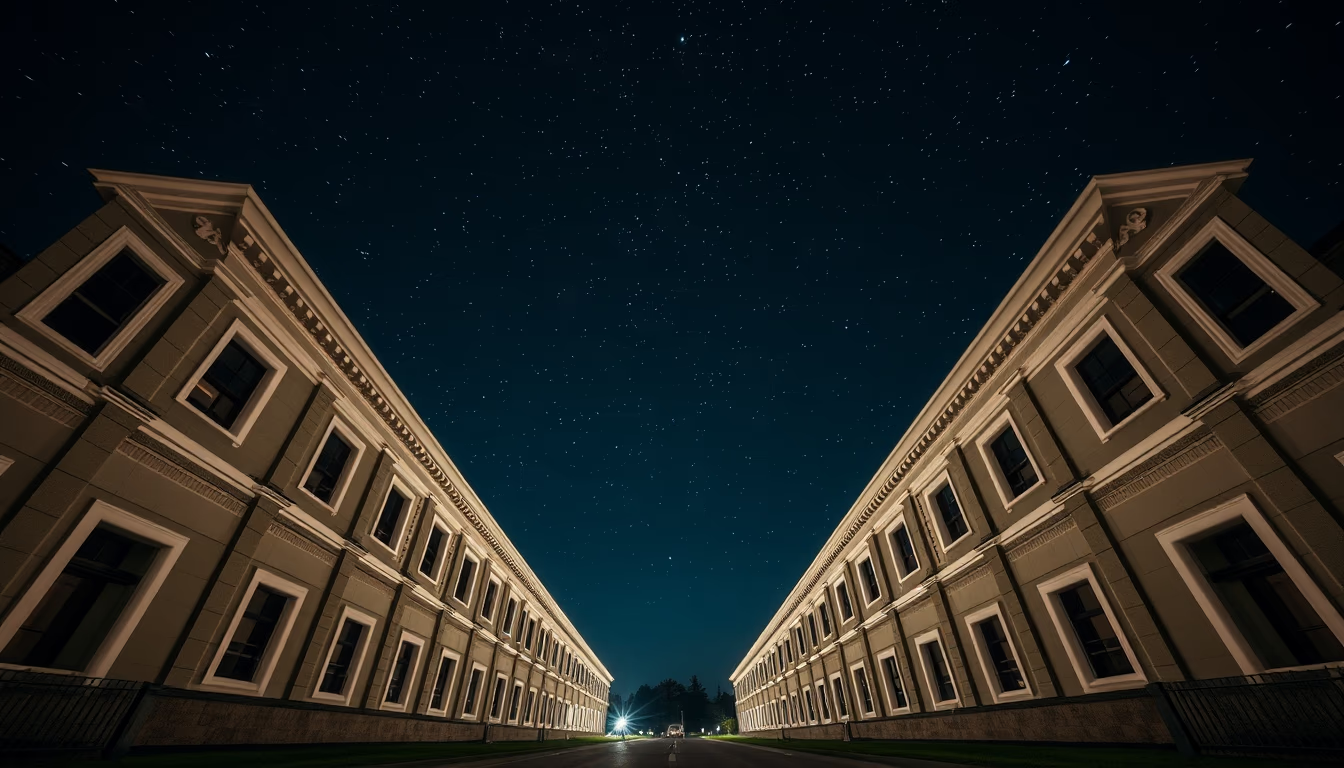
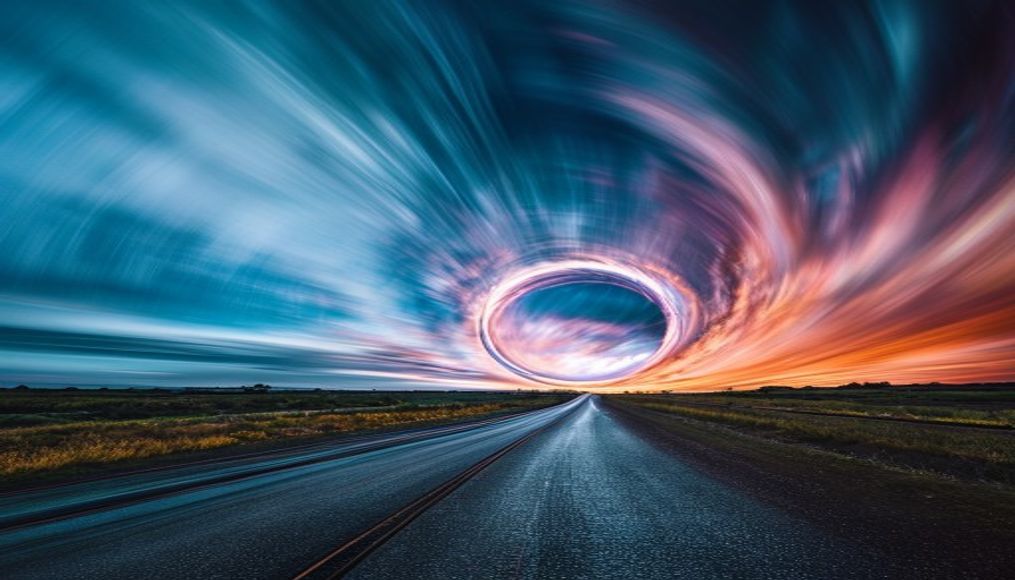
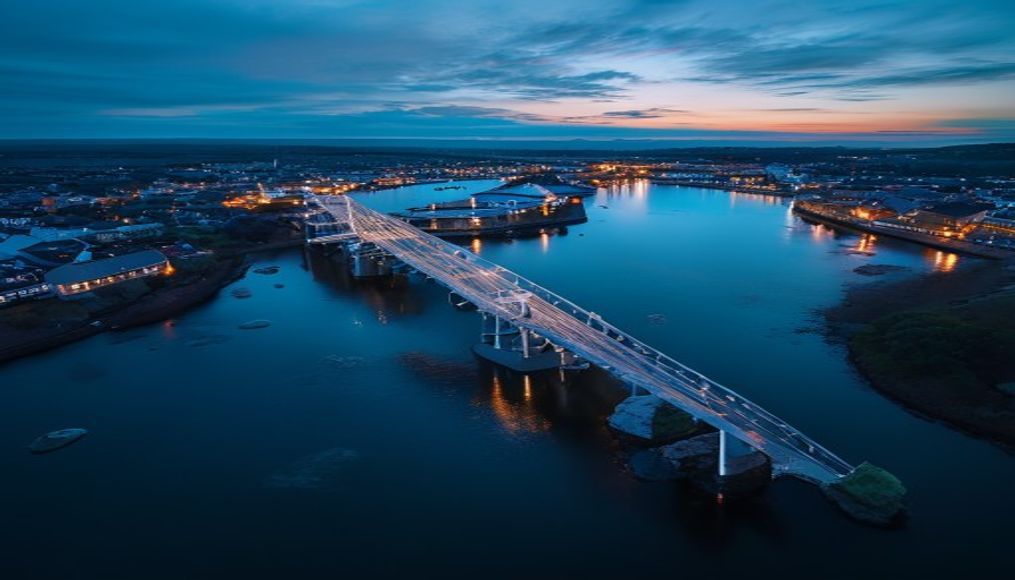
Explore the starfield night clear sky in urban settings and how architectural photography captures the Milky Way over buildings.
About this subject
A starfield, or stellar field, is a region of the night sky where countless stars are visible to the naked eye or through photographic equipment. On moonless, low-humidity nights, a clear sky reveals details of the Milky Way, star clusters, and bright planets. Astronomical observation depends on light pollution: rural areas or dark-sky parks offer the best conditions, but in well-planned cities, brighter stars can be recorded using long-exposure techniques.
Architectural night photography combines the celestial landscape with human-made structures, creating visually striking images. To achieve this, photographers must balance the exposure between artificially lit ground and starry sky, often using image stacking or high-ISO sensors. In Brazil, locations like Chapada dos Veadeiros National Park and the Atacama Desert in Chile are famous for their clear skies and low light pollution, attracting astrophotographers from around the world.
Culturally, the starry sky has always inspired mythologies, navigation, and science. From indigenous Brazilian constellations, such as the Ostrich and the Old Man, to modern space missions, stargazing connects humanity to the cosmos. In contemporary architecture, projects like observatories and viewpoints seek to integrate the celestial landscape into the design, providing immersive contemplation experiences.
Frequently Asked Questions
What is the best time of year to photograph a starry sky?
In the southern hemisphere, winter (June to August) offers longer nights and drier skies, favoring Milky Way visibility. A new moon is essential to avoid excessive brightness.
Is it possible to photograph stars in large cities?
Yes, with proper equipment and stacking techniques. In urban areas with moderate light pollution, you can record stars of apparent magnitude greater than 4, as long as direct light is avoided.
What camera settings are recommended for architectural astrophotography?
Use a wide aperture (f/1.8 to f/2.8), ISO between 1600 and 6400, and an exposure time of 10 to 30 seconds. Set focus manually to infinity. To avoid star trails, apply the 500 rule divided by the focal length.
Direct URL
https://pub-c7d6a6ea828543ac903a74a341ccb2e1.r2.dev/imagens/starfield-night-clear-sky-architectural-photography-p6.avifHow to credit
Include a visible link back to UtilizAí. Copy one of the snippets below:
<a href="https://xn--utiliza-eza.com/en/midia/imagens/starfield-night-clear-sky-architectural-photography-p6">Starfield night clear sky</a> by <a href="https://xn--utiliza-eza.com">UtilizAí</a>, licensed under <a href="https://creativecommons.org/licenses/by/4.0/">CC BY 4.0</a>.
[Starfield night clear sky](https://xn--utiliza-eza.com/en/midia/imagens/starfield-night-clear-sky-architectural-photography-p6) by [UtilizAí](https://xn--utiliza-eza.com), CC BY 4.0
License: CC-BY-4.0