St patricks shamrock parade
1344×768 · AVIF · CC BY 4.0
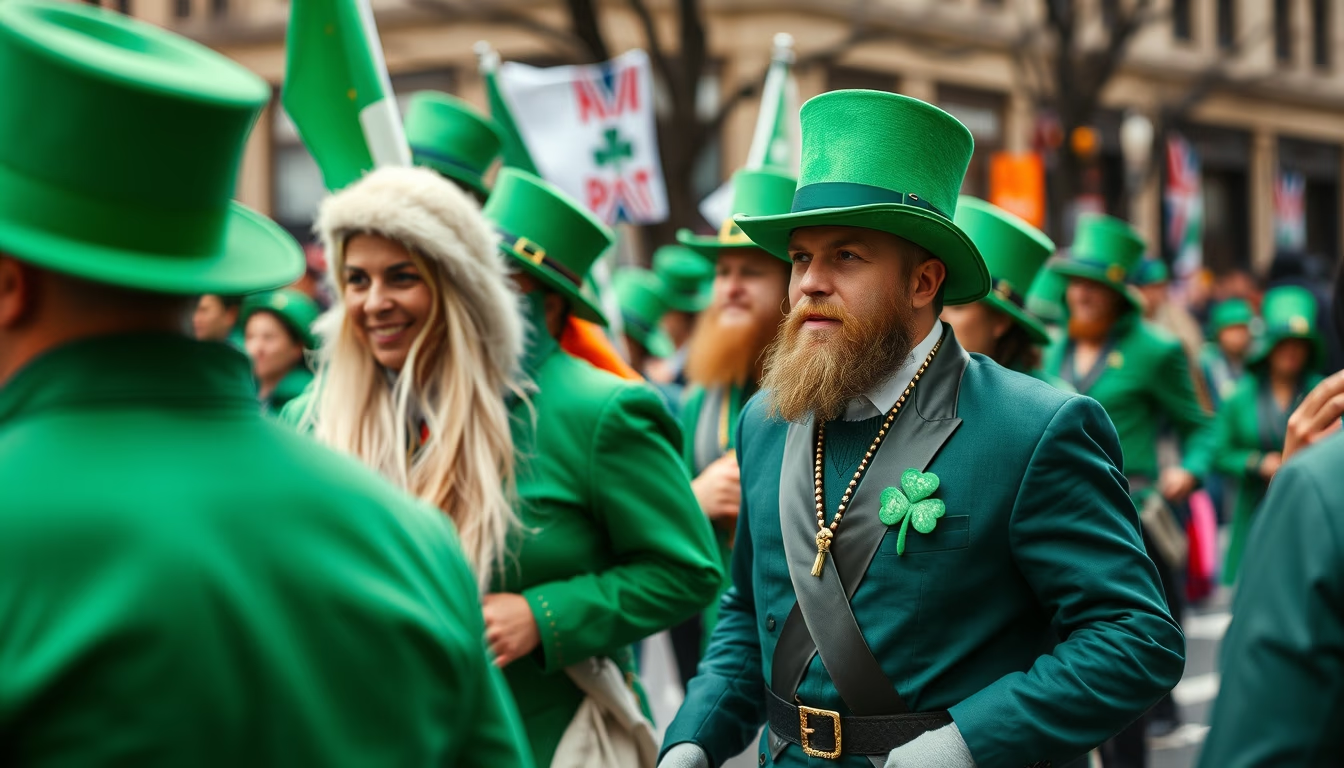
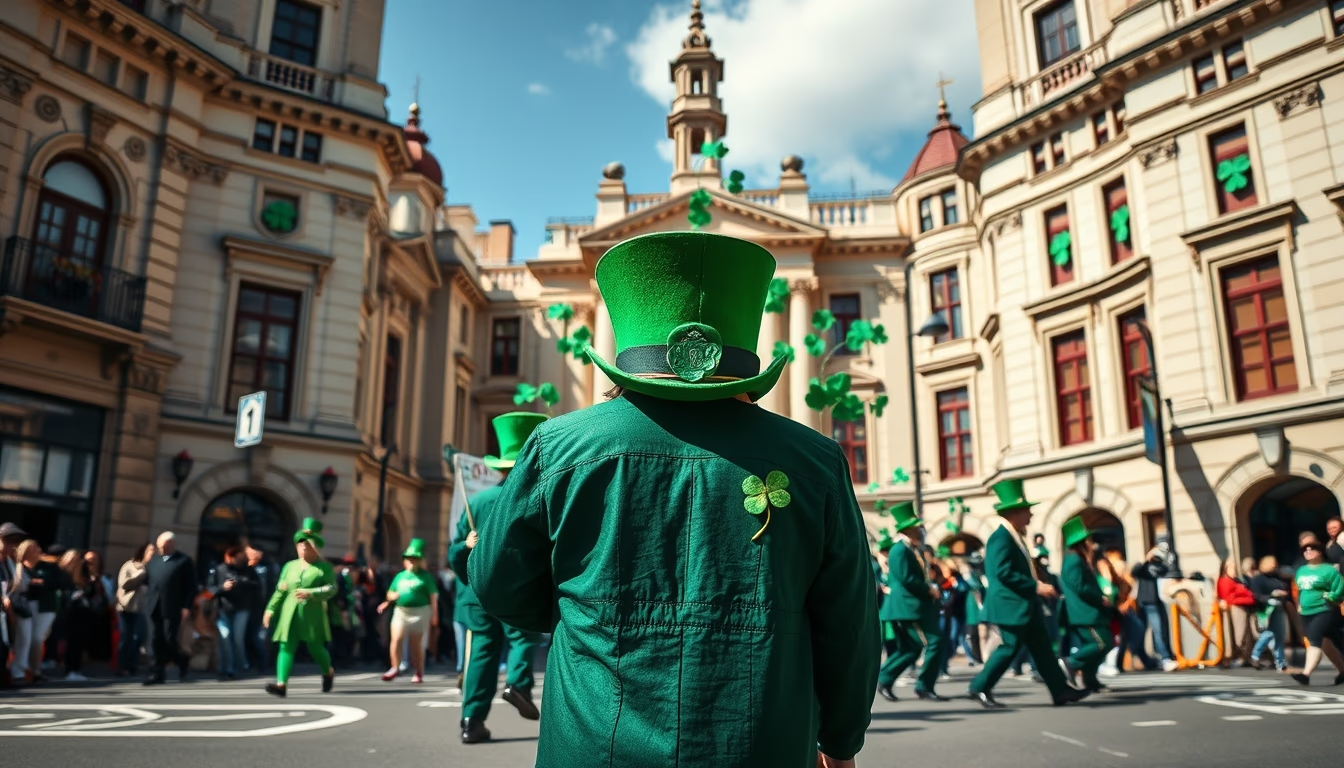
The St. Patrick's shamrock parade celebrates Irish culture worldwide, uniting tradition and joy on green streets.
About this subject
The St. Patrick's shamrock parade is one of the most emblematic celebrations of Irish heritage. Held annually on March 17, the feast day of Saint Patrick, Ireland's patron saint, the event transforms streets in cities like Dublin, New York, and Chicago into a sea of green, with the three-leaf shamrock prominently featured. Legend has it that Saint Patrick used the shamrock to explain the Holy Trinity to pagan Irish. Today, the symbol appears on flags, costumes, and decorations worldwide.
The parade tradition dates back to the 17th century in North America, when Irish immigrants organized processions to keep their culture alive. New York City's parade, starting in 1762, is the largest, attracting millions. In Brazil, cities like São Paulo and Rio de Janeiro host events with bagpipes, Celtic dances, and green beer. Green is not just the national color; it represents spring and renewal, linked to the Emerald Isle.
Interestingly, the shamrock is not the official national symbol of Ireland (the Celtic harp holds that title), but it is widely recognized as a cultural icon. During the parade, participants distribute live or plastic shamrocks, and some even dye rivers green, as in Chicago. While the celebration has religious roots, it is now largely a secular festival fostering unity and Irish pride among the diaspora.
Cuisine-wise, typical dishes include colcannon (mashed potatoes with kale) and corned beef with cabbage, plus Irish soda bread. Folk music and step dancing complete the festive atmosphere. The St. Patrick's shamrock parade is more than a march; it is a testament to the resilience and joy of the Irish people, celebrated both on the island and in communities worldwide.
Frequently Asked Questions
Why is the three-leaf shamrock associated with St. Patrick's Day?
According to legend, Saint Patrick used the shamrock to explain the Holy Trinity to pagan Irish, comparing the three leaves to the Father, Son, and Holy Spirit. It has since become an unofficial national symbol.
What is the origin of the St. Patrick's Day parade?
The first parade took place in 1762 in New York City, organized by Irish soldiers. The tradition grew with Irish immigration, spreading globally as a cultural celebration.
What foods are traditionally eaten on St. Patrick's Day?
Dishes like corned beef with cabbage, colcannon (mashed potatoes with kale), and Irish soda bread are typical. Green beer is also popular but not a historical tradition.
Direct URL
https://pub-c7d6a6ea828543ac903a74a341ccb2e1.r2.dev/imagens/st-patricks-shamrock-parade-documentary-nature-style-fresh16.avifHow to credit
Include a visible link back to UtilizAí. Copy one of the snippets below:
<a href="https://xn--utiliza-eza.com/en/midia/imagens/st-patricks-shamrock-parade-documentary-nature-style-fresh16">St patricks shamrock parade</a> by <a href="https://xn--utiliza-eza.com">UtilizAí</a>, licensed under <a href="https://creativecommons.org/licenses/by/4.0/">CC BY 4.0</a>.
[St patricks shamrock parade](https://xn--utiliza-eza.com/en/midia/imagens/st-patricks-shamrock-parade-documentary-nature-style-fresh16) by [UtilizAí](https://xn--utiliza-eza.com), CC BY 4.0
License: CC-BY-4.0