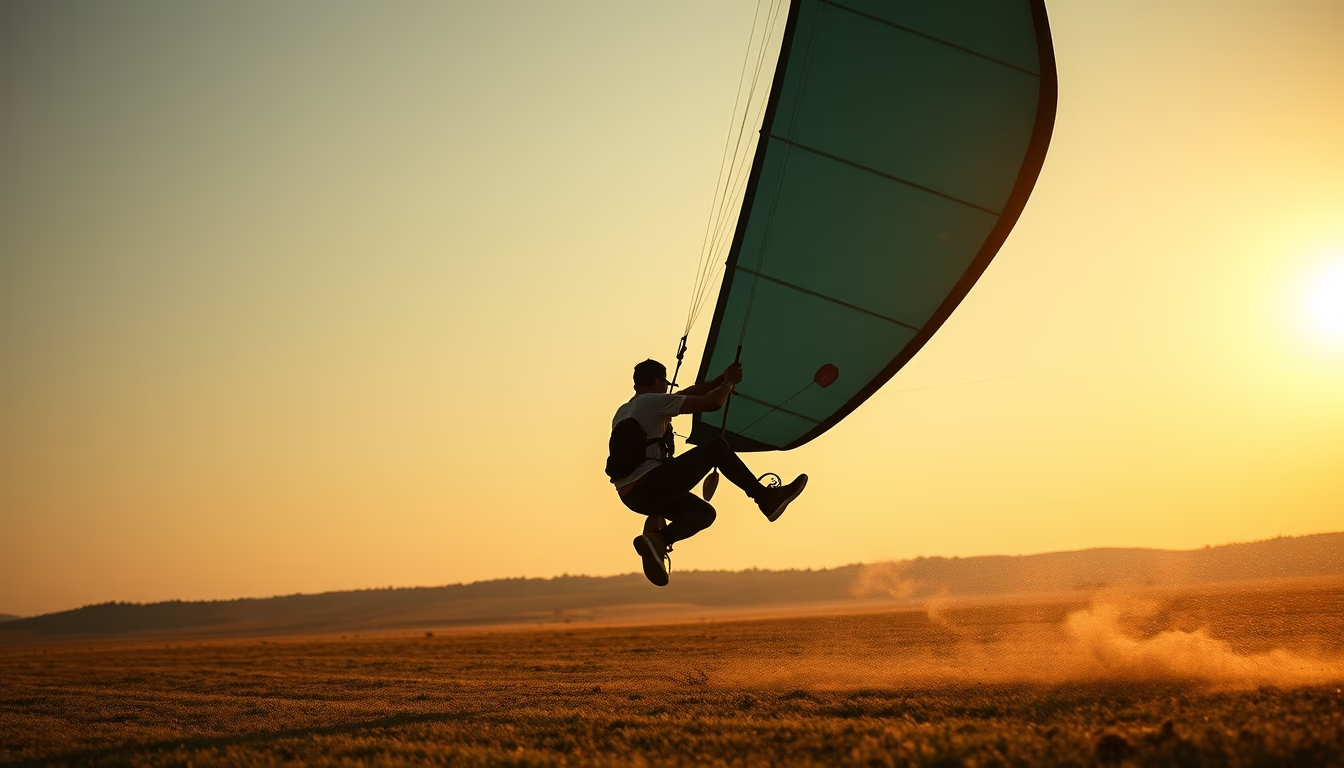
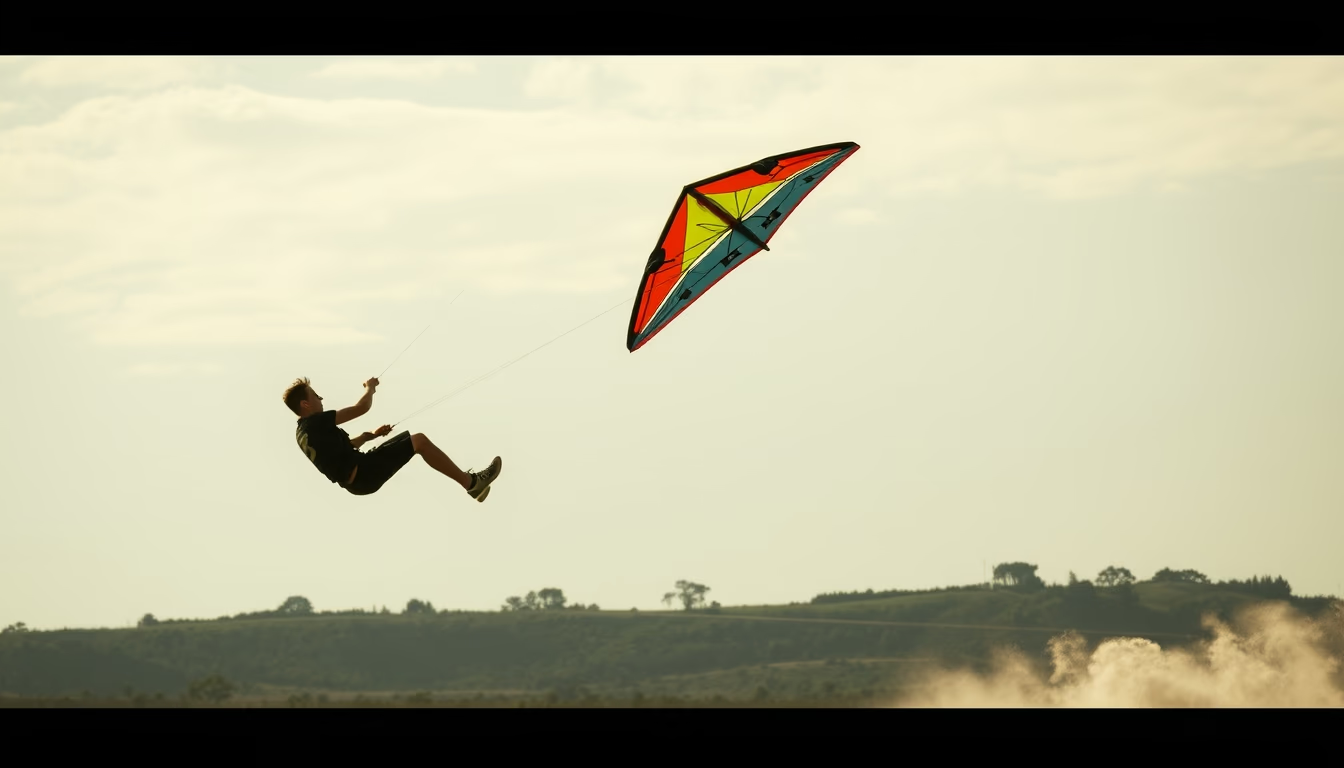
Sport kite stunt
1344×768 · AVIF · CC BY 4.0
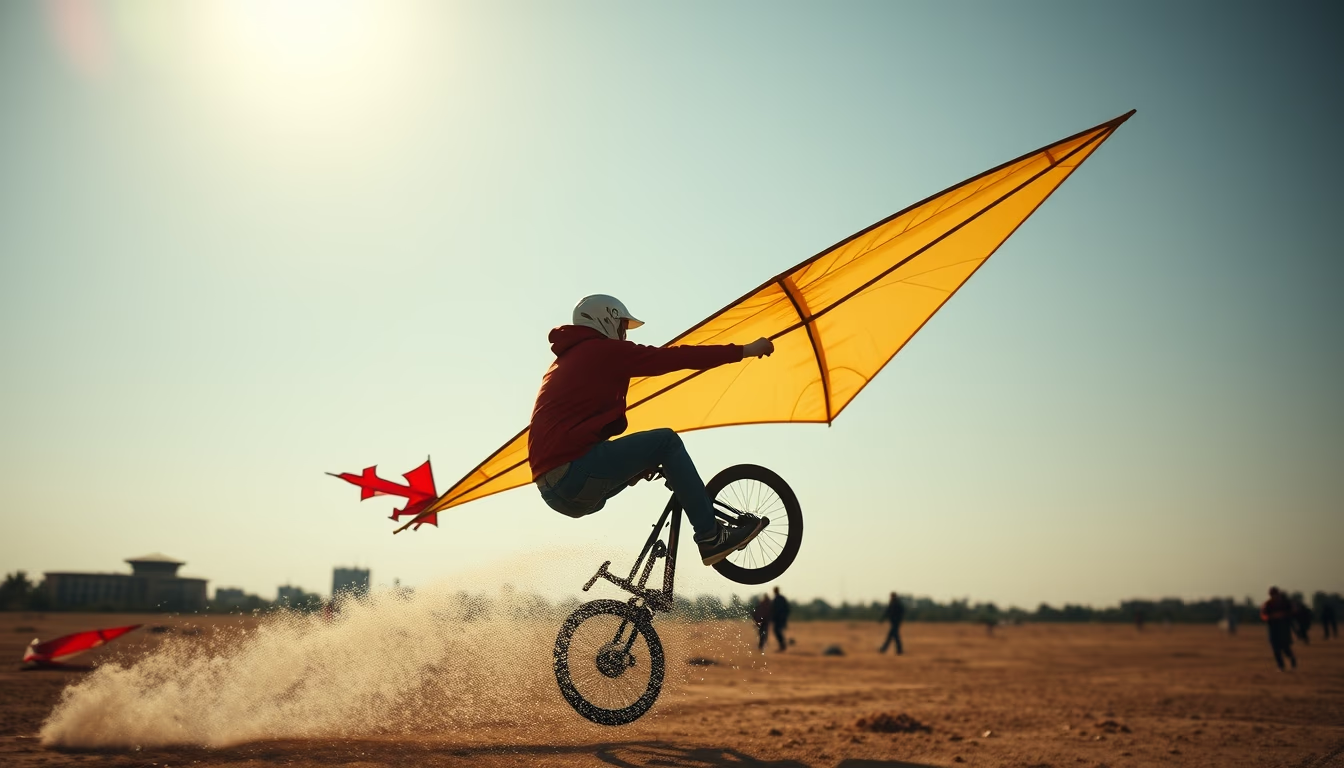
High-performance sport kites, designed for radical aerial maneuvers in stunt kite competitions.
About this subject
Sport kites, also known as stunt kites or acrobatic kites, are high-performance kites designed to execute precise and complex maneuvers in the air. Unlike traditional single-line kites, they have two or four control lines, enabling the pilot to perform spins, loops, dives, and stalls. The most common type is the dual-line (bilinear) kite, used in competitions such as the World Cup of Acrobatic Kiting.
These kites are built with lightweight yet durable materials such as fiberglass or carbon fiber frames and ripstop nylon fabric. Their asymmetric design and flexible spars allow the kite to respond quickly to pilot inputs. Flying technique demands coordination and practice: to turn, the pilot pulls one line while releasing the other, creating a tension differential. Advanced maneuvers include the "axel," "fade," and "yo-yo," which defy gravity.
The sport originated in the 1970s when Peter Powell invented the first dual-line kite. It has since evolved into a competitive discipline with categories such as "ballet" (choreographed routines set to music) and "precision" (geometric figures in the sky). The largest global event is the Poprad-Kezmarok competition in Slovakia, drawing pilots from over 30 countries.
Beyond competitions, sport kites are used for aerial photography, signaling, or simply recreation. The thrill of precise wind control is part of their appeal, attracting enthusiasts of all ages. The term "stunt" underscores the acrobatic nature, contrasting with static display kites.
Frequently Asked Questions
How many lines does a sport kite have?
Most have two lines (bilinear), but there are four-line models (quadrilinear) that allow even more control, including reverse flight.
What are the main stunt kite maneuvers?
Common maneuvers include the axel, fade, yo-yo, and comets. Each requires specific line movements to spin or stop the kite in the air.
Where can I learn to fly a sport kite?
There are kite clubs in many coastal cities and parks. Online tutorials and books exist, but ideal practice requires steady winds of 8 to 25 km/h.
Direct URL
https://pub-c7d6a6ea828543ac903a74a341ccb2e1.r2.dev/imagens/sport-kite-stunt-lo-fi-disposable-camera-fresh10.avifHow to credit
Include a visible link back to UtilizAí. Copy one of the snippets below:
<a href="https://xn--utiliza-eza.com/en/midia/imagens/sport-kite-stunt-lo-fi-disposable-camera-fresh10">Sport kite stunt</a> by <a href="https://xn--utiliza-eza.com">UtilizAí</a>, licensed under <a href="https://creativecommons.org/licenses/by/4.0/">CC BY 4.0</a>.
[Sport kite stunt](https://xn--utiliza-eza.com/en/midia/imagens/sport-kite-stunt-lo-fi-disposable-camera-fresh10) by [UtilizAí](https://xn--utiliza-eza.com), CC BY 4.0
License: CC-BY-4.0