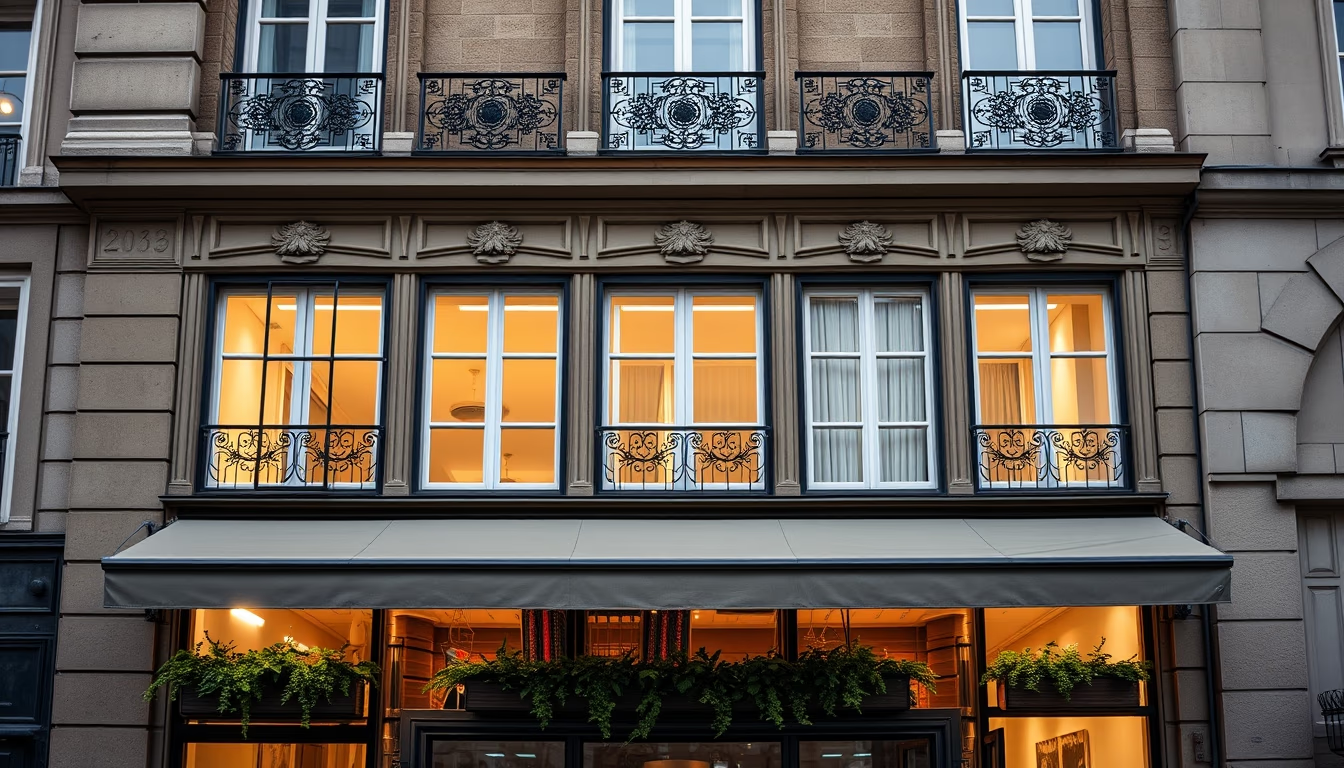
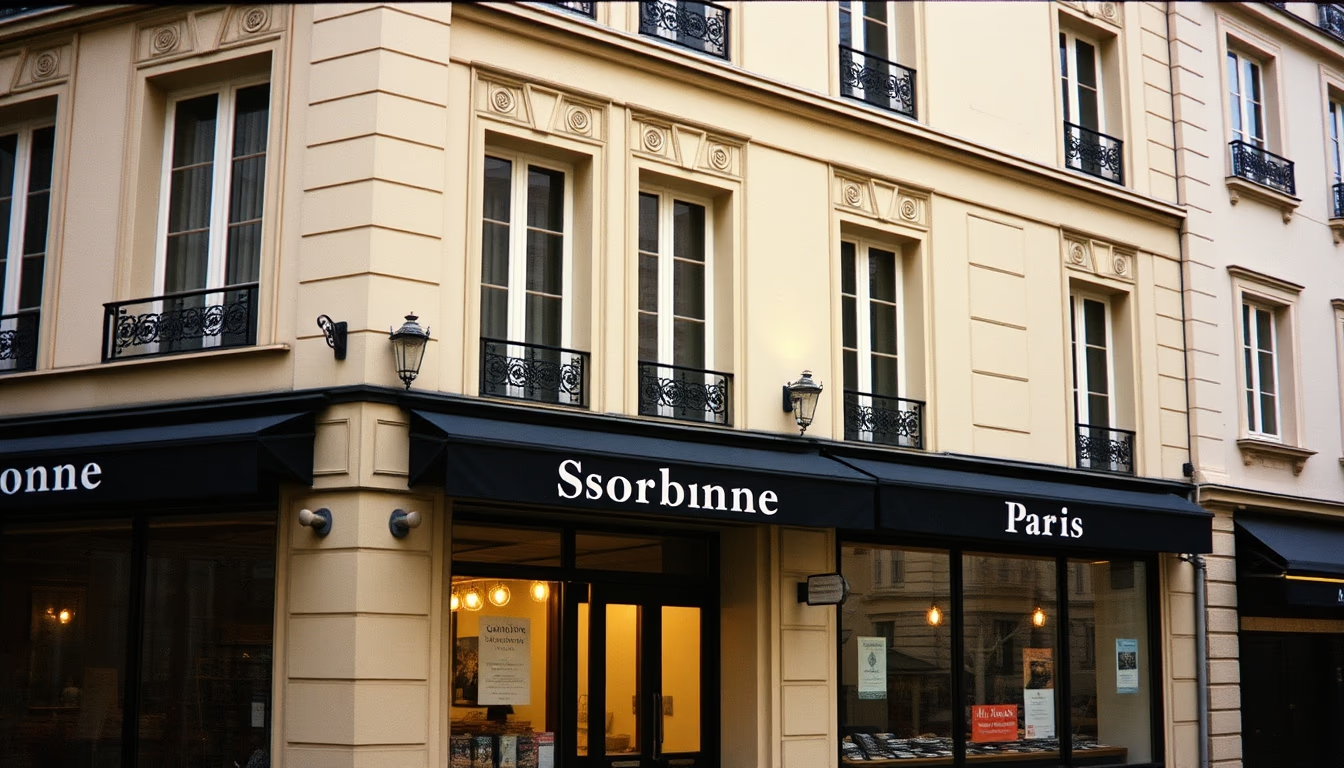
Sorbonne paris facade
1344×768 · AVIF · CC BY 4.0
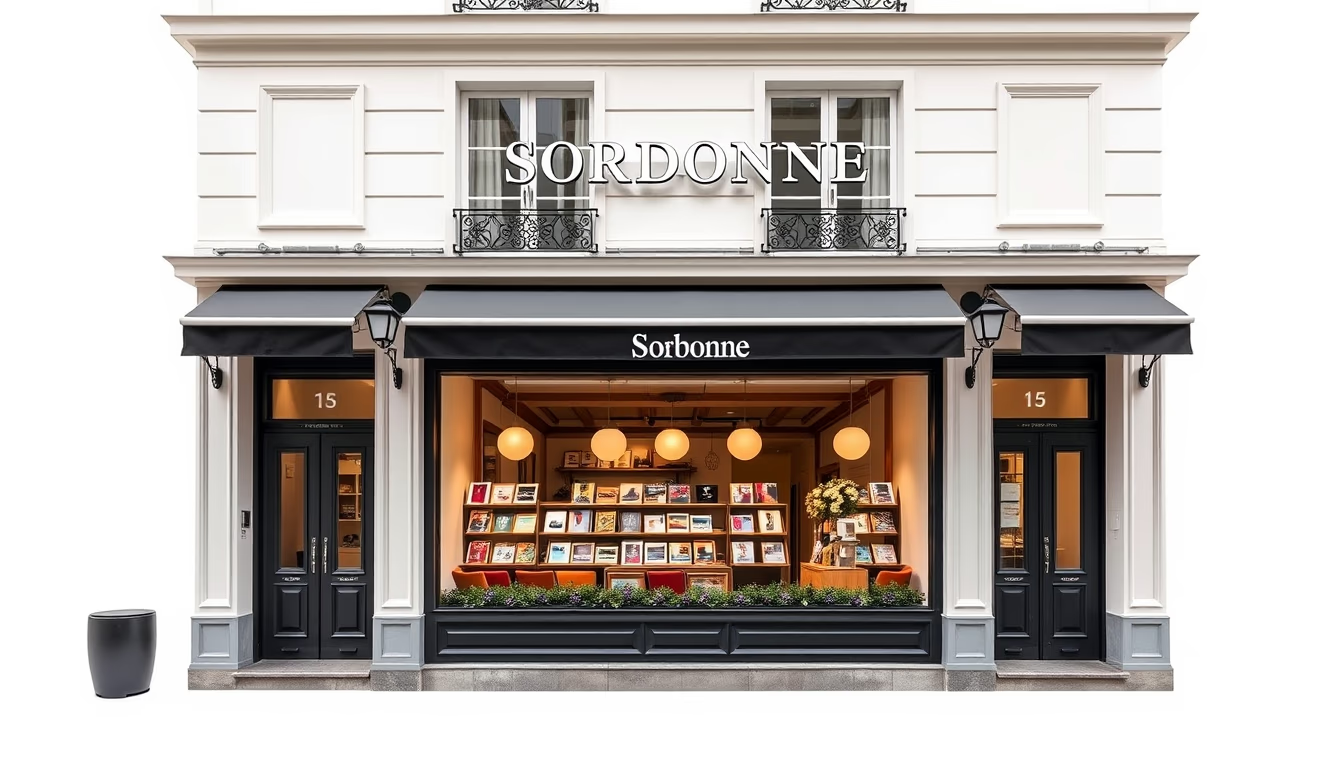
The facade of the Sorbonne in Paris is a landmark of French neoclassicism and a symbol of academic tradition since 1257.
About this subject
The facade of the Sorbonne, located in the Latin Quarter of Paris, is one of the most emblematic images of French higher education. Founded in 1257 by Robert de Sorbon, chaplain to Louis IX, the institution originally housed a theology college. Over time, it became the core of the University of Paris, known as 'the Sorbonne'. The current neoclassical facade dates mainly from the 19th century, when architect Henri Labrouste reconstructed much of the building between 1835 and 1842. Labrouste retained elements of the earlier design but added a monumental entrance with Corinthian columns and a sculpted pediment representing Wisdom and the Arts.
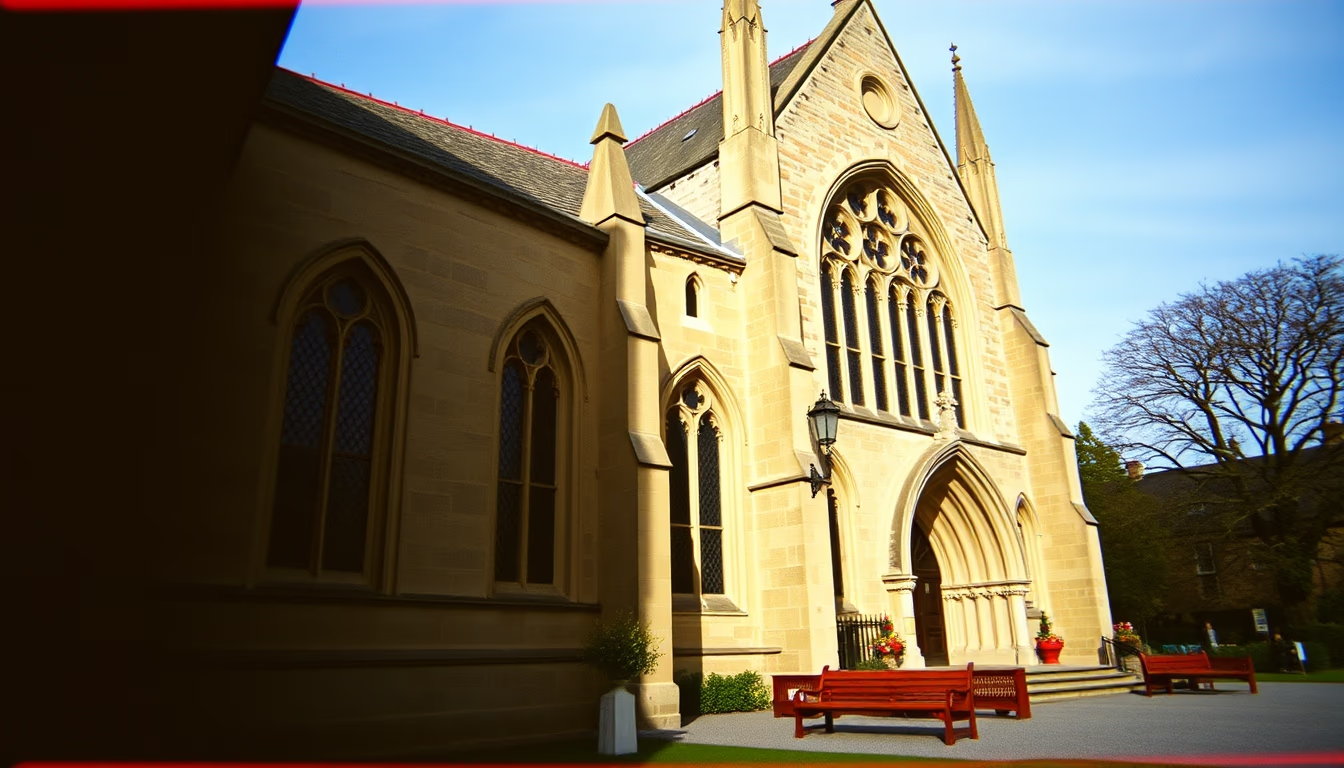
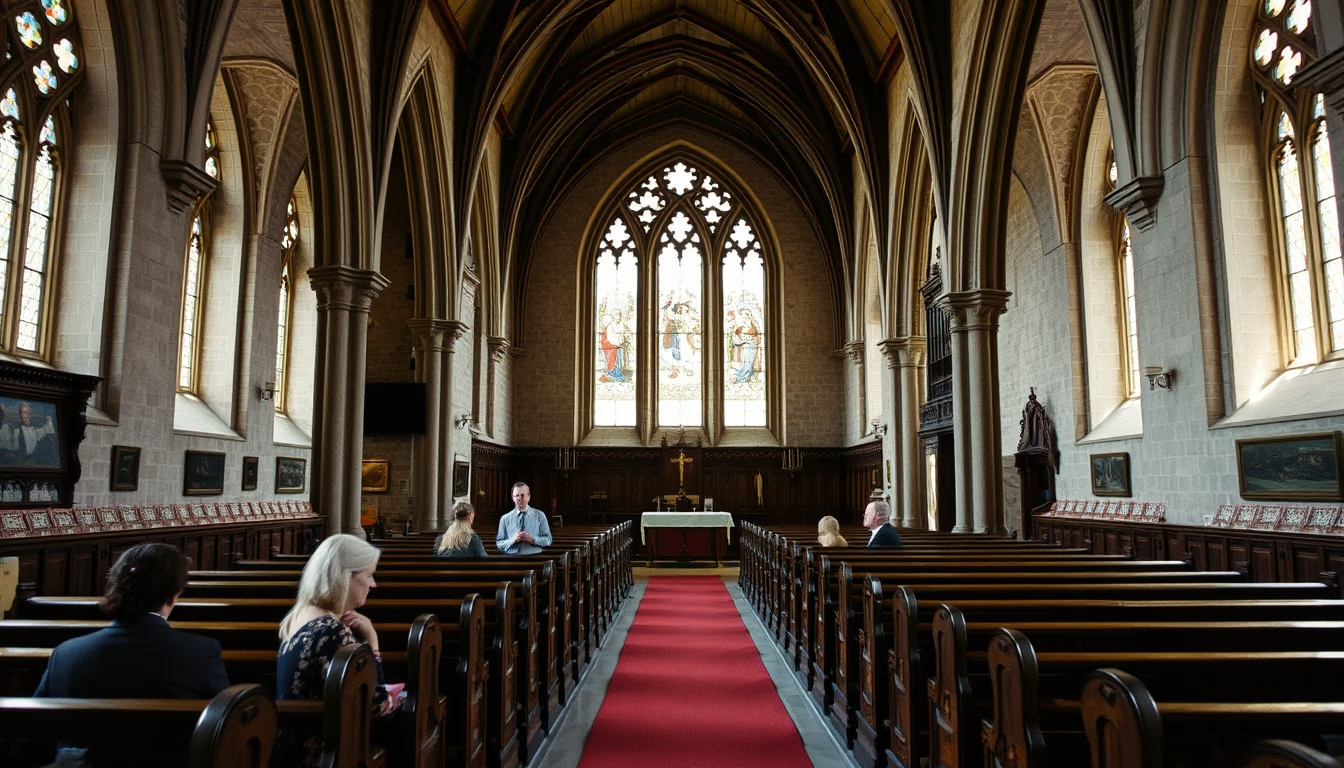
The facade is clad in the typical limestone of the Paris region, with wrought-iron details on windows and doors. The inner courtyard, called Cour d'Honneur, is accessed through the central portal and showcases the imposing Sorbonne Chapel, built between 1635 and 1642 under Cardinal Richelieu's patronage. The chapel houses Richelieu's tomb and is considered a masterpiece of French Baroque. The external facade, meanwhile, reflects the classical sobriety that dominated Parisian institutional architecture in the 19th century.
Culturally, the Sorbonne represents the birthplace of French intellectual thought. From Descartes to Simone de Beauvoir, countless thinkers studied or taught there. The facade was the stage for historic student protests, especially in May 1968. Today, it houses part of Paris 1 Panthéon-Sorbonne University and Sorbonne Nouvelle University, maintaining its central role in French education. Visitors can admire the facade freely, but interior access is restricted to students and researchers.
Frequently Asked Questions
What is the architectural style of the Sorbonne facade?
The Sorbonne facade is predominantly neoclassical, designed by architect Henri Labrouste in the 19th century. It features Corinthian columns, a sculpted pediment, and symmetry typical of the style.
Is the Sorbonne open to the public?
The facade and outer courtyard are freely viewable. The interior, including the chapel and historic rooms, is restricted to students, researchers, or by scheduled guided tours.
Why is the Sorbonne important for education history?
Founded in 1257, the Sorbonne was the core of the University of Paris, one of the world's oldest universities. It hosted theological, philosophical, and scientific debates that shaped Western thought.
Direct URL
https://pub-c7d6a6ea828543ac903a74a341ccb2e1.r2.dev/imagens/sorbonne-paris-facade-commercial-product-photography-fresh12.avifHow to credit
Include a visible link back to UtilizAí. Copy one of the snippets below:
<a href="https://xn--utiliza-eza.com/en/midia/imagens/sorbonne-paris-facade-commercial-product-photography-fresh12">Sorbonne paris facade</a> by <a href="https://xn--utiliza-eza.com">UtilizAí</a>, licensed under <a href="https://creativecommons.org/licenses/by/4.0/">CC BY 4.0</a>.
[Sorbonne paris facade](https://xn--utiliza-eza.com/en/midia/imagens/sorbonne-paris-facade-commercial-product-photography-fresh12) by [UtilizAí](https://xn--utiliza-eza.com), CC BY 4.0
License: CC-BY-4.0