Songkran water festival
1344×768 · AVIF · CC BY 4.0
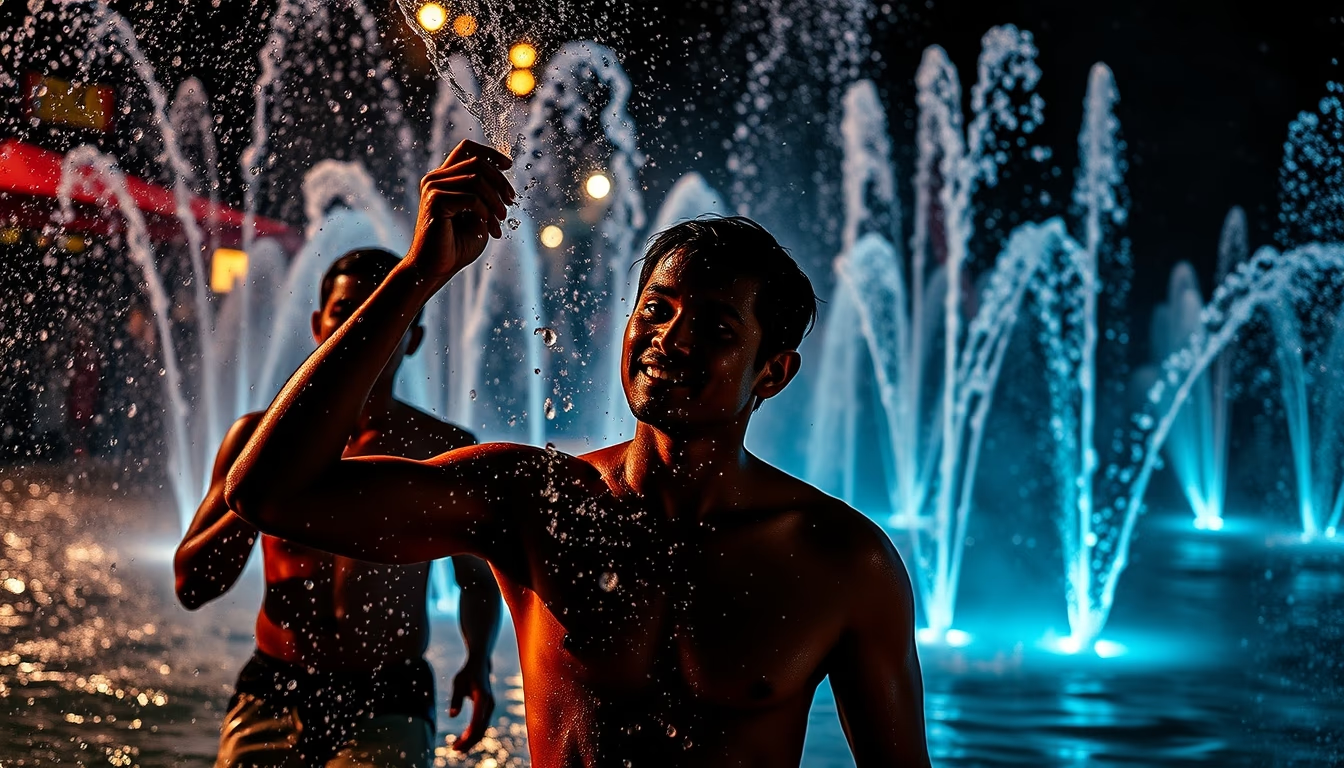
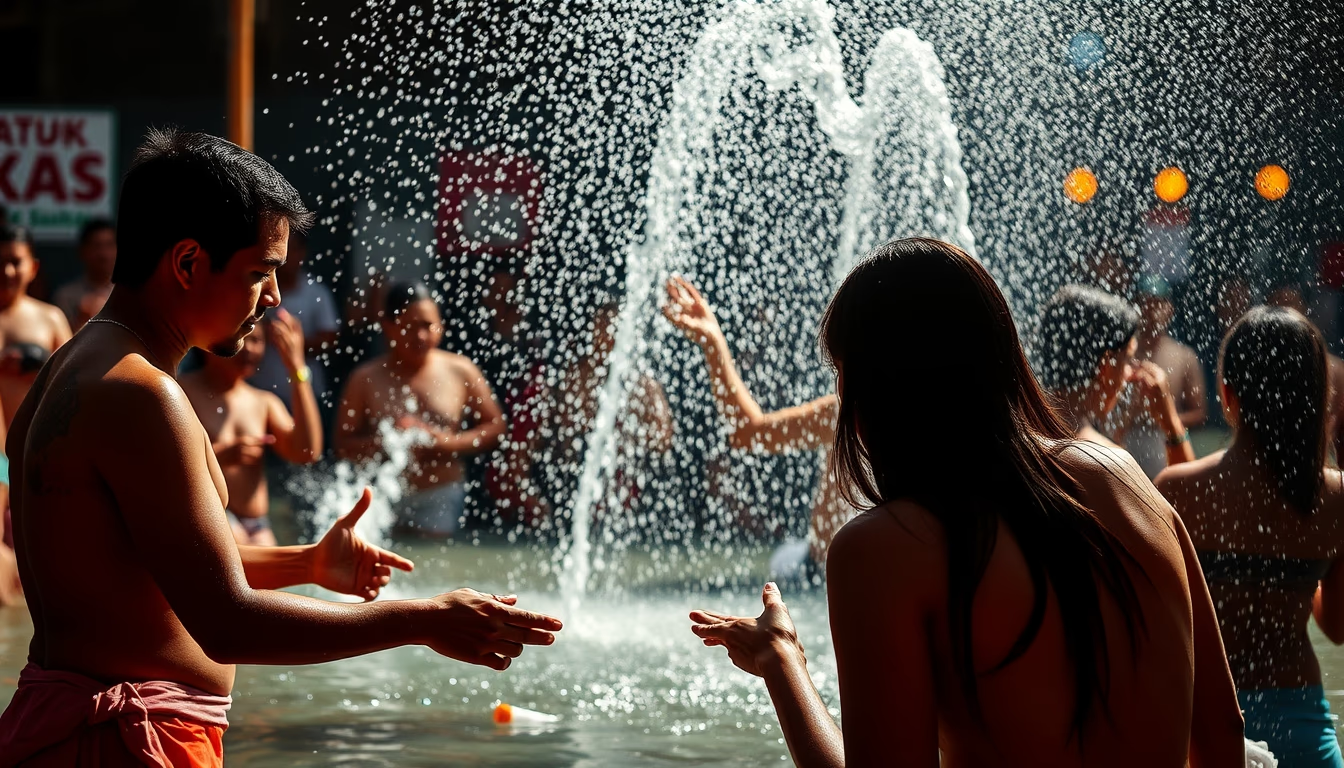
Songkran is the Thai New Year, celebrated with water fights symbolizing purification and renewal, marking the arrival of the rainy season.
About this subject
Songkran, the Thai New Year, is one of Thailand's most iconic festivals, held annually from April 13 to 15. The date coincides with the transition of the solar zodiac and the end of the dry season, welcoming the monsoon rains. Originally, the celebration involved Buddhist religious rituals, such as pouring water over Buddha statues and monks, an act representing purification and the washing away of sins. Over time, the tradition evolved into street water fights, where Thais and tourists enjoy buckets, water guns, and hoses, creating an atmosphere of collective joy.
The word Songkran derives from the Sanskrit "saṃkrānti," meaning "astrological passage." During these days, many Thais return to their hometowns to spend time with family, visit temples, and make merit. An important custom is building sand pagodas in temple courtyards, symbolizing the return of sand carried away on feet throughout the year. The festival also features parades, cultural performances, and the release of birds and fish as acts of compassion.
Although most famous in Thailand, Songkran is celebrated in other Southeast Asian countries with similar calendars, such as Laos (Pii Mai), Cambodia (Choul Chnam Thmey), and Myanmar (Thingyan). In 2023, UNESCO recognized Songkran as an Intangible Cultural Heritage of Humanity, highlighting its importance in transmitting community values and social cohesion. The festival attracts millions of global visitors, especially to destinations like Chiang Mai, Bangkok, and Pattaya, where celebrations can extend for over a week.
Frequently Asked Questions
What is the religious significance of Songkran?
Songkran has Buddhist roots: water is used to purify Buddha statues and monks, symbolizing the washing away of sins and bad luck, preparing the faithful for a new cycle.
Is Songkran celebrated only in Thailand?
No, similar festivals occur in Laos (Pii Mai), Cambodia (Choul Chnam Thmey), and Myanmar (Thingyan), all based on the solar calendar and Buddhist traditions.
How can tourists participate in Songkran respectfully?
Wear appropriate clothing, avoid ice-cold water or strong jets to the face, respect elders and monks, and join with a festive spirit, remembering that water symbolizes blessings.
Direct URL
https://pub-c7d6a6ea828543ac903a74a341ccb2e1.r2.dev/imagens/songkran-water-festival-rembrandt-lighting-dramatic-shadows-fresh3.avifHow to credit
Include a visible link back to UtilizAí. Copy one of the snippets below:
<a href="https://xn--utiliza-eza.com/en/midia/imagens/songkran-water-festival-rembrandt-lighting-dramatic-shadows-fresh3">Songkran water festival</a> by <a href="https://xn--utiliza-eza.com">UtilizAí</a>, licensed under <a href="https://creativecommons.org/licenses/by/4.0/">CC BY 4.0</a>.
[Songkran water festival](https://xn--utiliza-eza.com/en/midia/imagens/songkran-water-festival-rembrandt-lighting-dramatic-shadows-fresh3) by [UtilizAí](https://xn--utiliza-eza.com), CC BY 4.0
License: CC-BY-4.0