Soldering iron tip
1344×768 · AVIF · CC BY 4.0
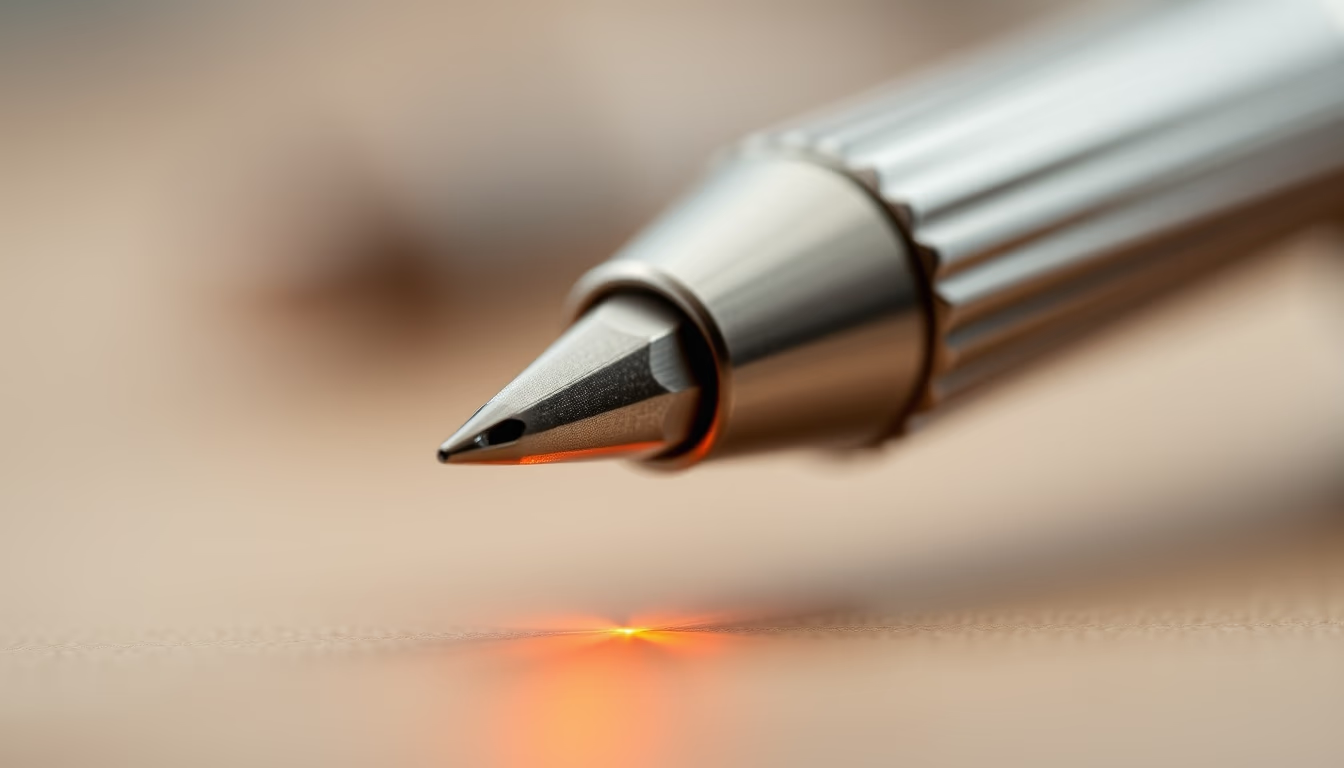
The soldering iron tip is the essential component for heat transfer in electronics work, varying in shape and material according to the application.
About this subject
The soldering iron tip, also known as the bit, is the part that directly contacts components and solder. Typically made of copper coated with iron or nickel, its function is to conduct heat from the heater to the joint to be soldered. There are various shapes: fine tip (for precision work on printed circuit boards), chisel tip (versatile for multitasking), conical tip (for microsoldering), and flat tip (for soldering wires and larger terminals). Choosing the correct tip directly influences solder quality and equipment lifespan, as each shape distributes heat differently.
Working temperature varies depending on the solder type. Leaded solders (like 60/40) melt at around 190°C, while lead-free solders (such as SAC305) require 250°C to 300°C. Oxidized or dirty tips can cause poor heat transfer and joint defects. Therefore, maintenance with a damp sponge or brass wool is essential during use. Modern tips may have special coatings to resist corrosion, such as nickel-chrome.
Interestingly, professional soldering stations have interchangeable tips that can be changed while hot, facilitating adaptation to different tasks. Simple soldering irons often have fixed tips, limiting versatility. Heating is controlled by thermocouples or temperature sensors, ensuring thermal stability. The ideal tip should have sufficient thermal mass to not cool down upon touching the component, yet be fine enough to avoid overheating damage.
Frequently Asked Questions
How to choose the ideal soldering iron tip for each job?
Choose based on component size and precision needs. Fine tips are for microsoldering, while flat or chisel tips are better for wires and larger terminals. The tip's thermal mass should match the solder joint.
Why does the soldering iron tip oxidize and how to prevent it?
Oxidation occurs due to exposure to air at high temperatures. To prevent, keep the tip tinned (with a layer of solder) when not in use and clean it regularly with a damp sponge or brass wool.
What is the ideal temperature for soldering with an iron tip?
It depends on the solder: for leaded solder, use 300°C to 350°C; for lead-free, 350°C to 400°C. Adjust according to the tip and component to avoid overheating.
Direct URL
https://pub-c7d6a6ea828543ac903a74a341ccb2e1.r2.dev/imagens/soldering-iron-tip-tilt-shift-miniature-p7.avifHow to credit
Include a visible link back to UtilizAí. Copy one of the snippets below:
<a href="https://xn--utiliza-eza.com/en/midia/imagens/soldering-iron-tip-tilt-shift-miniature-p7">Soldering iron tip</a> by <a href="https://xn--utiliza-eza.com">UtilizAí</a>, licensed under <a href="https://creativecommons.org/licenses/by/4.0/">CC BY 4.0</a>.
[Soldering iron tip](https://xn--utiliza-eza.com/en/midia/imagens/soldering-iron-tip-tilt-shift-miniature-p7) by [UtilizAí](https://xn--utiliza-eza.com), CC BY 4.0
License: CC-BY-4.0