Soldering iron tip
1344×768 · AVIF · CC BY 4.0
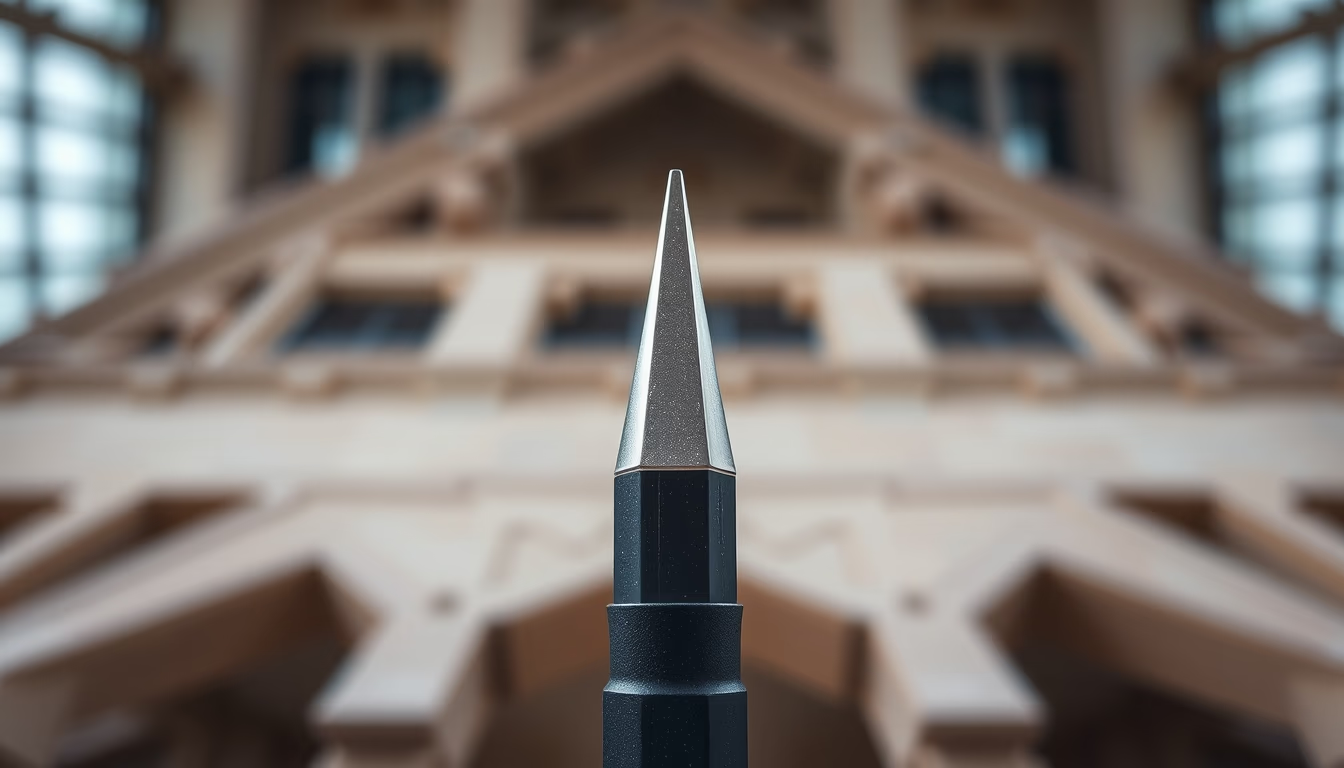
Discover how soldering iron tips transform electrical connections into lasting bonds, combining precision and controlled heat.
About this subject
Soldering iron tips are essential components in electronics, jewelry making, and stained glass work, designed to efficiently transfer heat to the junction between metal and wire. Typically made of copper plated with iron, chromium, or nickel, these tips come in various shapes: conical, chisel, bevel, or pencil-like. Each geometry serves a specific purpose: fine tips enable soldering on tiny components, such as on printed circuit boards (PCBs), while wide tips distribute heat on thick wires or terminals. The typical operating temperature ranges from 300°C to 400°C, adjustable based on the solder type (leaded or lead-free) and base material. Proper maintenance is crucial: the tip should be cleaned with a damp sponge or brass wool and re-tinned to prevent oxidation. Poorly maintained tips lose thermal efficiency and may damage sensitive components. Interestingly, a professional tip's lifespan can reach thousands of operations, depending on usage and care. In an architectural context, a soldering tip might be used in stained glass art or electronic model assembly, but the image in question explores an extreme close-up that reveals metallic textures and reflections, bridging the utilitarian and the abstract.
Frequently Asked Questions
What are the main types of soldering iron tips?
The most common types are conical (precision), chisel (for thick wires), bevel (general purpose), and pencil (fine soldering). Each shape optimizes heat transfer for different tasks.
How to maintain a soldering iron tip?
Clean the tip with a damp sponge or brass wool after each use, then apply a thin coat of solder (tinning) to protect against oxidation. Avoid filing or using harsh abrasives.
What is the ideal temperature for soldering electronic components?
Typically between 300°C and 350°C for leaded solder, and between 350°C and 400°C for lead-free solder. Adjust based on component thickness and desired speed.
Direct URL
https://pub-c7d6a6ea828543ac903a74a341ccb2e1.r2.dev/imagens/soldering-iron-tip-architectural-photography-p0.avifHow to credit
Include a visible link back to UtilizAí. Copy one of the snippets below:
<a href="https://xn--utiliza-eza.com/en/midia/imagens/soldering-iron-tip-architectural-photography-p0">Soldering iron tip</a> by <a href="https://xn--utiliza-eza.com">UtilizAí</a>, licensed under <a href="https://creativecommons.org/licenses/by/4.0/">CC BY 4.0</a>.
[Soldering iron tip](https://xn--utiliza-eza.com/en/midia/imagens/soldering-iron-tip-architectural-photography-p0) by [UtilizAí](https://xn--utiliza-eza.com), CC BY 4.0
License: CC-BY-4.0