Soap making organic
1344×768 · AVIF · CC BY 4.0
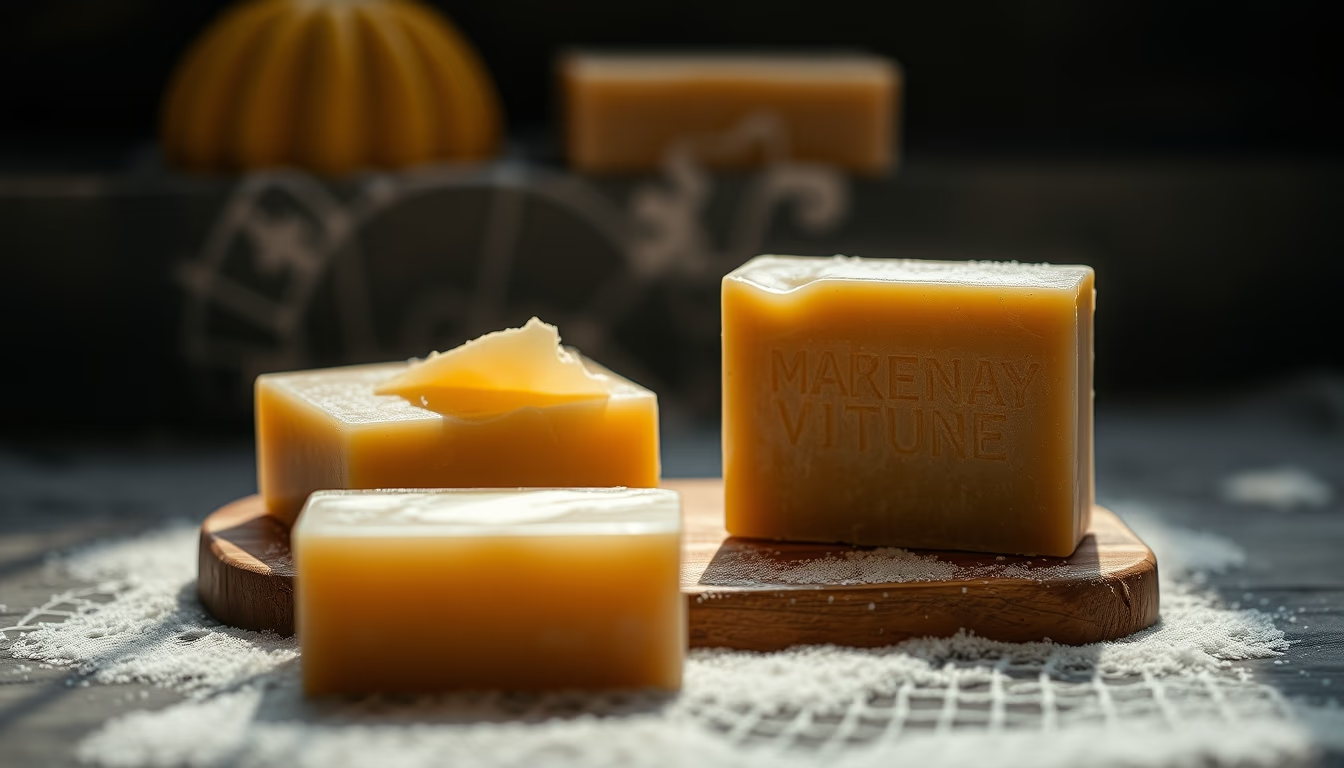
Discover the artisanal process of organic soap making, a sustainable practice combining natural ingredients and ancient techniques.
About this subject
Organic soap is made from natural ingredients grown without synthetic pesticides or fertilizers. Unlike commercial soaps that rely on detergents and artificial fragrances, organic soap uses cold-pressed vegetable oils, butters like shea and cocoa, and pure essential oils for scent. The most common method is cold process soapmaking, where oils are mixed with sodium hydroxide (lye) to trigger saponification, a chemical reaction that transforms fats into soap and glycerin. The natural glycerin remains in the soap, providing moisturizing and soothing properties for the skin.
Globally, organic soapmaking has roots in ancient civilizations: the Sumerians used plant ashes and animal fats around 2800 BCE. In Europe, soap guilds flourished in medieval times, and later, industrialization displaced traditional methods. Today, organic soap is part of a resurgence of artisanal crafts, emphasizing transparency and purity. Ingredients like olive oil (Castile soap), coconut oil (for lather), and palm oil (sustainably sourced) are common. Artisans often choose certified organic oils to avoid pesticide residues and support regenerative agriculture.
The cold process technique requires careful measurement: each oil contributes unique properties, hardness, conditioning, lather. After blending, the traced mixture is poured into molds, cut into bars, and cured for 4 to 6 weeks. Curing allows water to evaporate, creating a harder, longer-lasting bar with a milder pH. Some soapmakers infuse herbs, clays, or oatmeal for texture and skin benefits, always adhering to organic standards.
Environmental benefits are significant: organic soap is biodegradable, free from palm oil linked to deforestation (if sourced responsibly), and safe for greywater systems. Consumer demand for transparency fuels growth in small-batch soapmaking, with online platforms connecting artisans to global markets. In the United States and Europe, handmade organic soap is a staple at farmers' markets and zero-waste stores, reflecting a shift toward conscious consumption.
Frequently Asked Questions
What is the difference between organic soap and regular soap?
Organic soap is made from ingredients grown without synthetic pesticides or fertilizers, and it contains no detergents, artificial colors, or fragrances. Regular soap often includes petroleum derivatives, parabens, and sulfates that can irritate skin and harm the environment.
What are the basic ingredients for making organic soap?
The core ingredients are vegetable oils (e.g., olive, coconut, sustainable palm), butters (shea, cocoa), sodium hydroxide (lye), distilled water, and natural essential oils. Optional add-ins include clays, herbs, and oatmeal.
Why is organic soap better for the skin?
It retains natural glycerin, which moisturizes and protects the skin barrier. It lacks harsh chemicals like sodium lauryl sulfate (SLS) and parabens, reducing the risk of irritation and allergies. Essential oils provide additional benefits such as calming or cooling effects.
Direct URL
https://pub-c7d6a6ea828543ac903a74a341ccb2e1.r2.dev/imagens/soap-making-organic-fine-art-photography-p3.avifHow to credit
Include a visible link back to UtilizAí. Copy one of the snippets below:
<a href="https://xn--utiliza-eza.com/en/midia/imagens/soap-making-organic-fine-art-photography-p3">Soap making organic</a> by <a href="https://xn--utiliza-eza.com">UtilizAí</a>, licensed under <a href="https://creativecommons.org/licenses/by/4.0/">CC BY 4.0</a>.
[Soap making organic](https://xn--utiliza-eza.com/en/midia/imagens/soap-making-organic-fine-art-photography-p3) by [UtilizAí](https://xn--utiliza-eza.com), CC BY 4.0
License: CC-BY-4.0