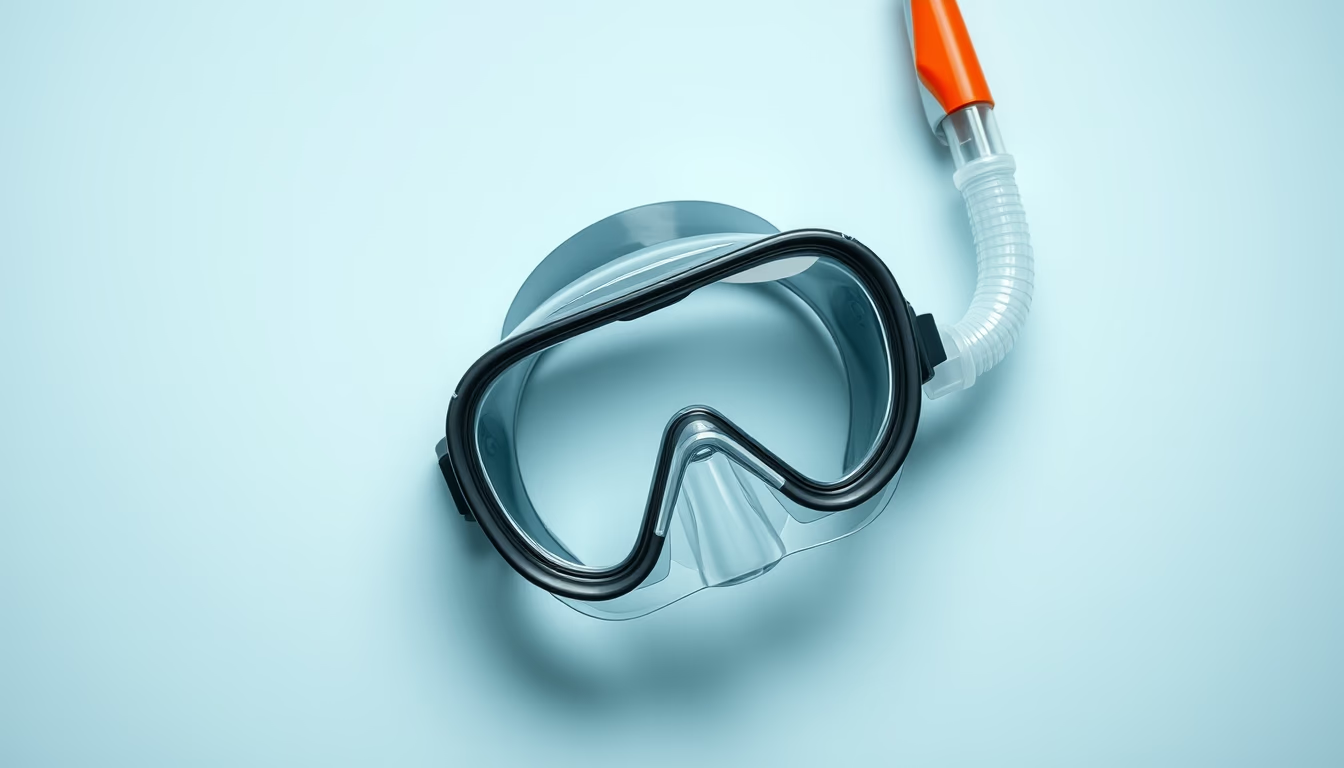
Snorkel mask glass
1344×768 · AVIF · CC BY 4.0
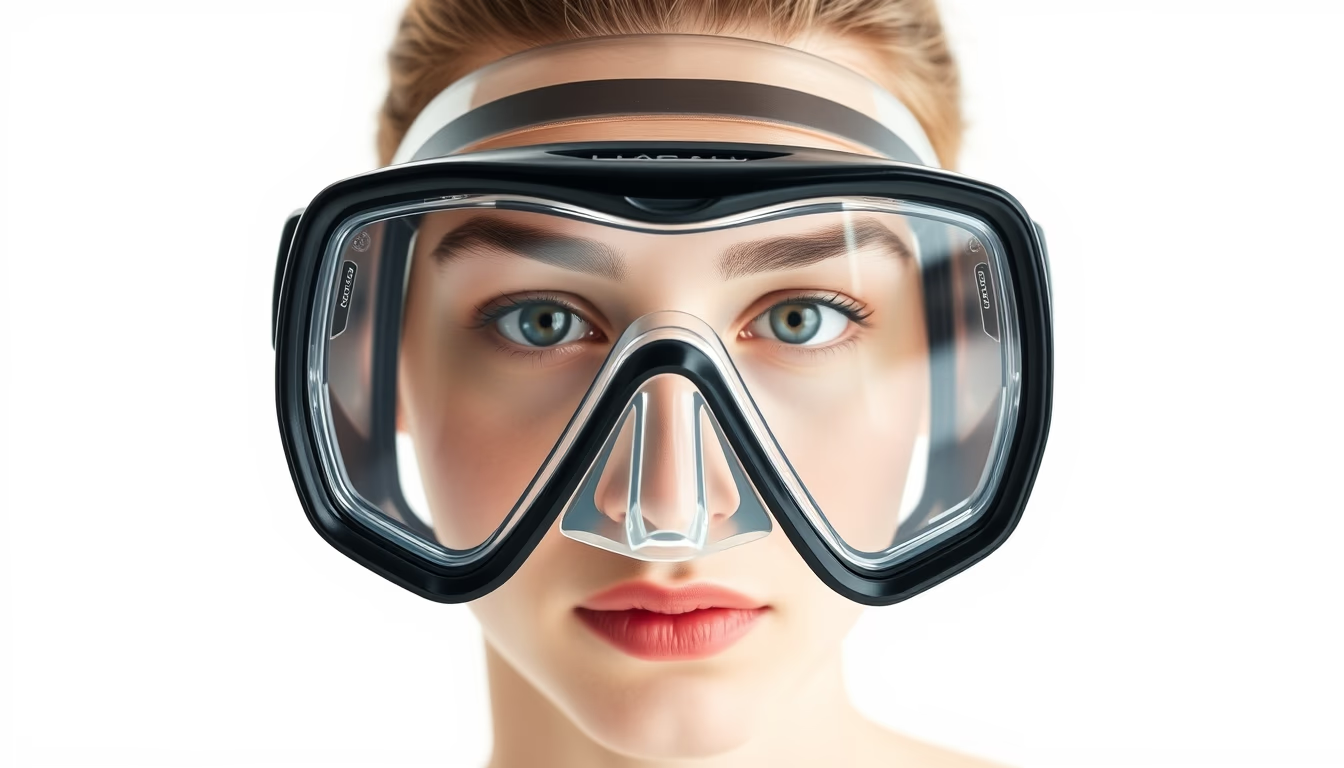
Snorkel mask glass is made of tempered glass, designed to withstand impacts and underwater pressure, ensuring safety and clear visibility during dives.
About this subject
The glass used in snorkel masks is not ordinary glass. It is made of tempered glass, a material that undergoes a process of rapid heating and cooling to increase its mechanical and thermal strength. This treatment makes the glass up to five times stronger than common glass, and when it breaks, it shatters into small, less sharp pieces, reducing the risk of injury. This feature is essential for diving equipment, as the glass may suffer accidental impacts or water pressure at moderate depths.
Transparency and optical quality are equally important. Snorkel masks use glass with low distortion, allowing the diver to see underwater details clearly. Unlike polycarbonate lenses, which scratch easily, glass offers higher scratch resistance and maintains clarity over time. However, glass is heavier and more fragile than polymers, which is why tempered glass is the industry standard.
Interestingly, many snorkel mask manufacturers follow international standards such as ANSI Z87.1 for eye protection, ensuring the glass withstands particle impacts and does not fog easily. Lens design may also include curvatures to widen the peripheral field of view, crucial for diver safety when observing currents or marine life. While the commercial photography focuses on the glass itself, the context of the full equipment shows how materials engineering contributes to the recreational diving experience.
In the global market, most snorkel masks use tempered glass 2 to 3 mm thick, with an anti-fog treatment applied to the inner surface. This treatment, typically based on surfactants, reduces water surface tension and prevents condensation of droplets, keeping vision clear. Care such as avoiding abrasive cleaners and storing the mask in a case prolongs the glass's lifespan.
Frequently Asked Questions
Why is snorkel mask glass tempered?
The glass is tempered to increase its resistance to impacts and pressure. This process makes it safer because, when broken, it shatters into small, less sharp pieces, reducing injury risk.
What is the difference between tempered glass and polycarbonate in snorkel masks?
Tempered glass offers higher scratch resistance and better optical clarity but is heavier. Polycarbonate is lighter and more impact-resistant but scratches easily. The choice depends on diver preference.
How to prevent fogging on the mask glass?
Most masks come with an anti-fog treatment. To maintain effectiveness, avoid touching the interior, use specific products or saliva before diving, and rinse with fresh water after use.
Direct URL
https://pub-c7d6a6ea828543ac903a74a341ccb2e1.r2.dev/imagens/snorkel-mask-glass-commercial-product-photography-fresh10.avifHow to credit
Include a visible link back to UtilizAí. Copy one of the snippets below:
<a href="https://xn--utiliza-eza.com/en/midia/imagens/snorkel-mask-glass-commercial-product-photography-fresh10">Snorkel mask glass</a> by <a href="https://xn--utiliza-eza.com">UtilizAí</a>, licensed under <a href="https://creativecommons.org/licenses/by/4.0/">CC BY 4.0</a>.
[Snorkel mask glass](https://xn--utiliza-eza.com/en/midia/imagens/snorkel-mask-glass-commercial-product-photography-fresh10) by [UtilizAí](https://xn--utiliza-eza.com), CC BY 4.0
License: CC-BY-4.0