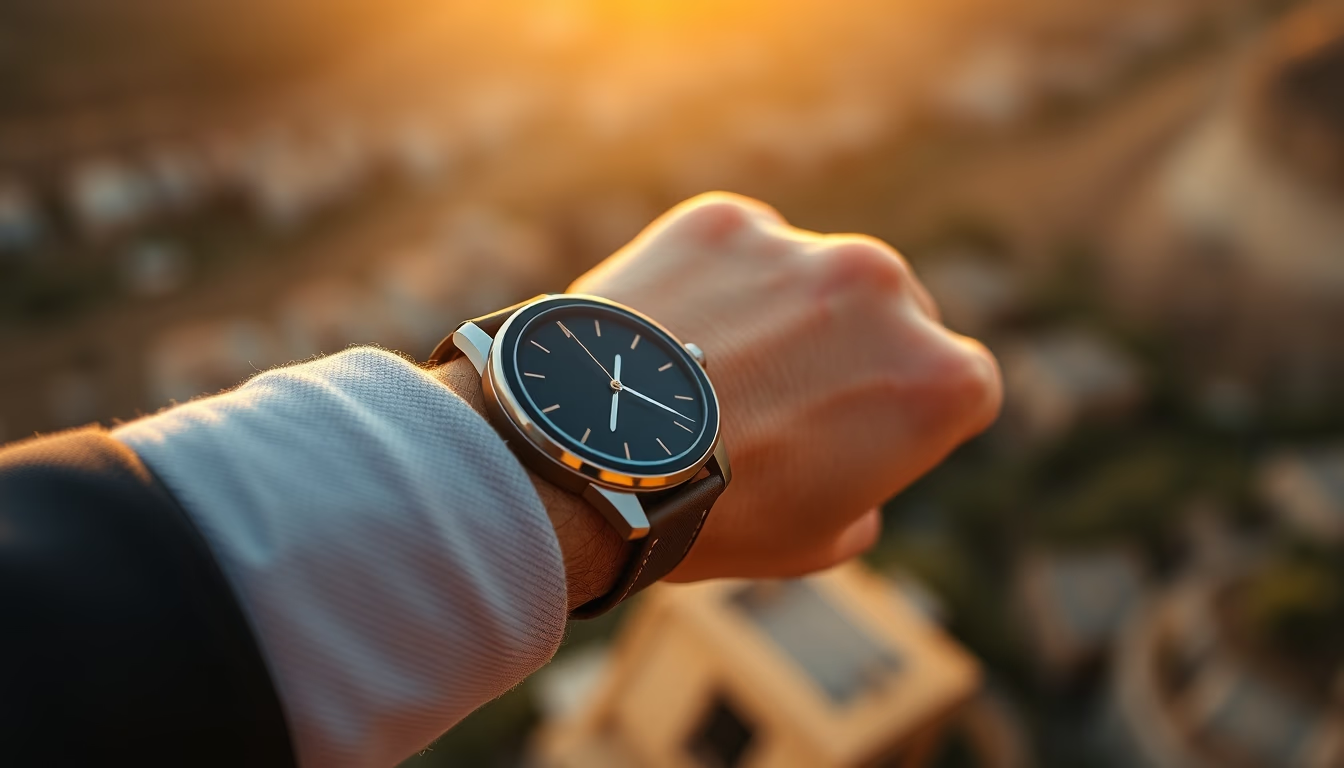
Smart watch on wrist closeup
1344×768 · AVIF · CC BY 4.0
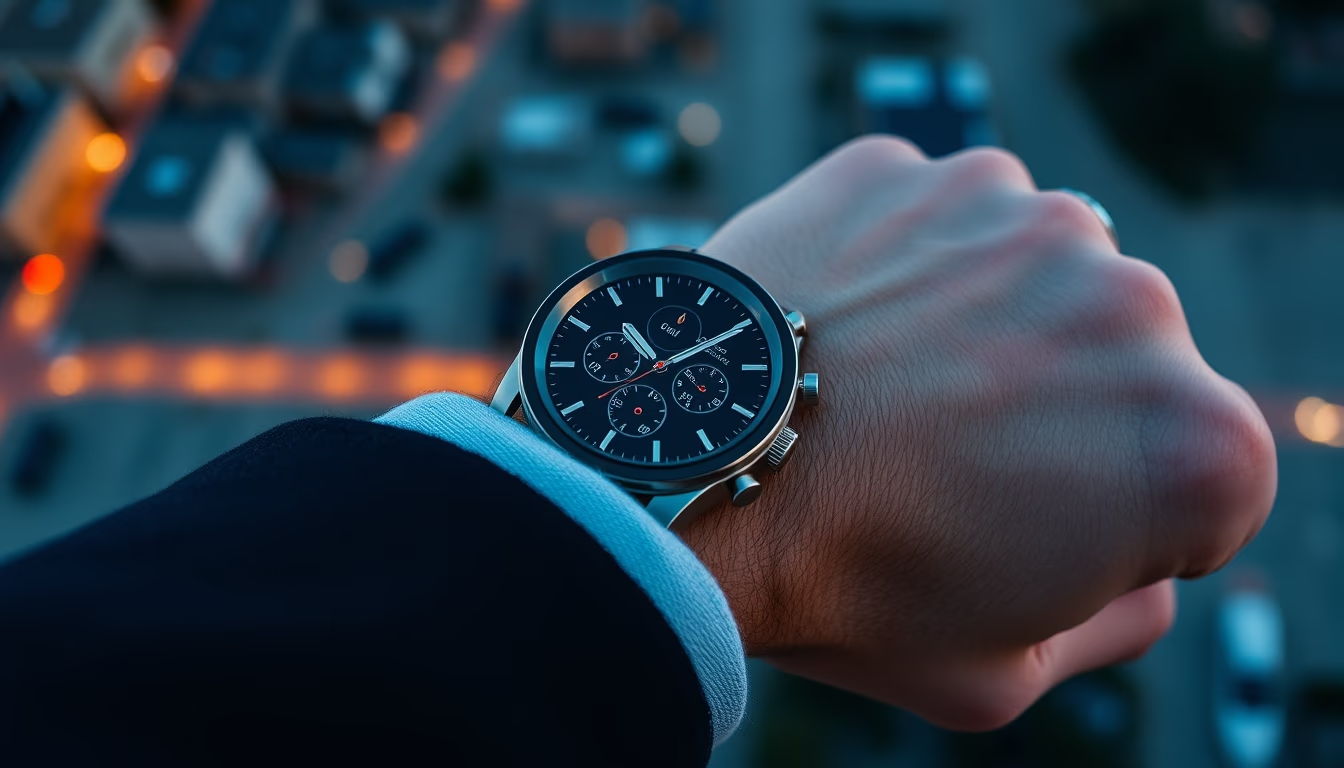
Smartwatch on wrist: wearable technology that monitors health, displays notifications, and integrates into the user's daily life.
About this subject
Smartwatches have evolved from simple accessories to essential personal monitoring devices. Since the launch of the Pebble in 2013 and the Apple Watch in 2015, the market has grown exponentially, with brands like Samsung, Garmin, and Fitbit competing for space. These devices combine timekeeping with biometric sensors such as accelerometers, gyroscopes, and heart rate monitors.
In Brazil, smartwatch adoption has increased, especially among fitness enthusiasts. National Household Sample Survey (PNAD) data indicates that about 15% of the adult population owns some type of wearable device. Features like sleep tracking, step counting, and calorie monitoring are widely used, but advanced capabilities include electrocardiograms (ECG), blood oxygen measurement (SpO2), and fall detection.
Integration with app ecosystems is a key differentiator. Smartwatches enable reading messages, answering calls, controlling music, and even making contactless payments. Battery life ranges from 1 to 14 days depending on the model and usage of GPS or always-on display. For Brazilian users, compatibility with 4G/5G networks in some models eliminates the need for a smartphone during outdoor workouts.
Fun fact: the first smartwatch with voice calling was the Samsung Gear S in 2014. Since then, component miniaturization has enabled thinner, lighter designs with high-resolution AMOLED screens. Water resistance (IP68 or 5 ATM) has become common, allowing use in pools and rain.
Frequently Asked Questions
What are the main benefits of using a smartwatch?
Main benefits include continuous health monitoring (heart rate, sleep, activity), notifications without checking your phone, and easy activity tracking. Advanced models also offer ECG, SpO2, and built-in GPS.
Does a smartwatch need a data plan to work?
Not all. Models with cellular connectivity (4G/5G) can work independently, but most rely on a smartphone to sync data and receive notifications via Bluetooth.
What is the typical battery life of a smartwatch?
It varies widely: simple models with basic functions can last up to 14 days (like some Garmin watches). Those with AMOLED screens and advanced features (Apple Watch, Samsung Galaxy Watch) last 1 to 3 days, depending on usage.
Direct URL
https://pub-c7d6a6ea828543ac903a74a341ccb2e1.r2.dev/imagens/smart-watch-on-wrist-closeup-aerial-drone-shot-p0.avifHow to credit
Include a visible link back to UtilizAí. Copy one of the snippets below:
<a href="https://xn--utiliza-eza.com/en/midia/imagens/smart-watch-on-wrist-closeup-aerial-drone-shot-p0">Smart watch on wrist closeup</a> by <a href="https://xn--utiliza-eza.com">UtilizAí</a>, licensed under <a href="https://creativecommons.org/licenses/by/4.0/">CC BY 4.0</a>.
[Smart watch on wrist closeup](https://xn--utiliza-eza.com/en/midia/imagens/smart-watch-on-wrist-closeup-aerial-drone-shot-p0) by [UtilizAí](https://xn--utiliza-eza.com), CC BY 4.0
License: CC-BY-4.0