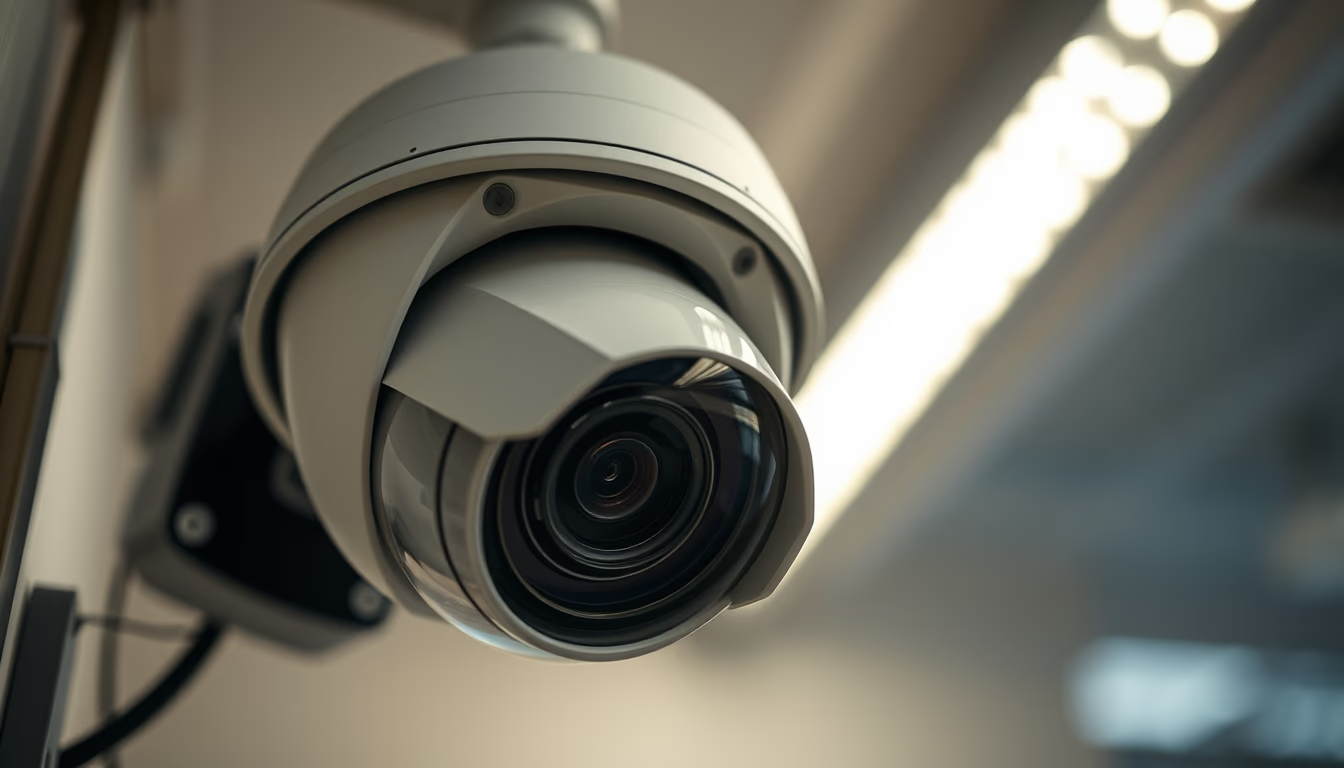
Smart home control panel
1344×768 · AVIF · CC BY 4.0
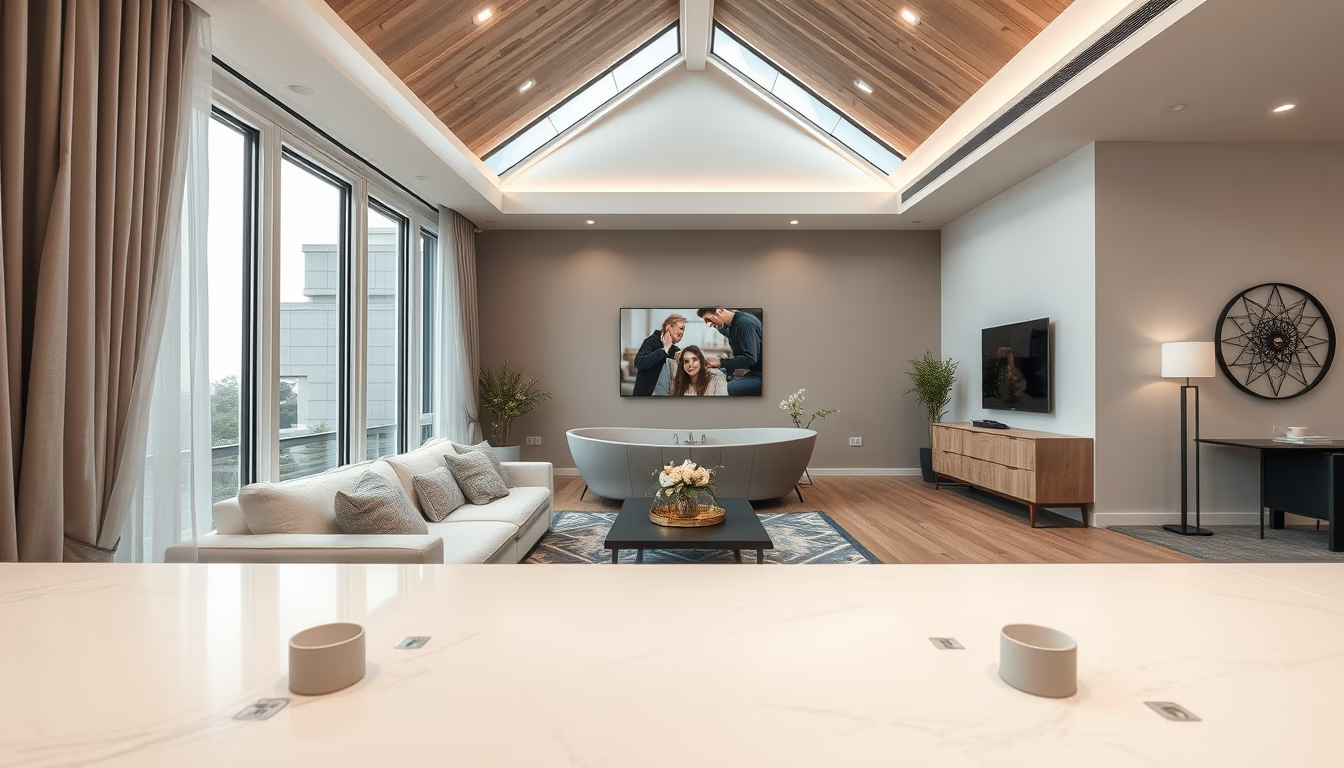
Smart home touchscreen control panel centralizing lighting, climate, and security management in a modern interface.
About this subject
Modern smart home control panels have evolved from simple switches into integrated multimedia hubs. They communicate via protocols such as Zigbee, Z-Wave, or Wi-Fi to connect devices from different manufacturers, enabling automation routines and personalized scenes. The graphical interface displays real-time data on energy consumption, sensor status, and weather forecasts, and integrates with voice assistants like Alexa and Google Assistant. Most contemporary models feature high-resolution touchscreens with surge protection and over-the-air firmware updates.
Installation typically replaces conventional alarm panels or thermostats and is compatible with 110V and 220V electrical standards. Demand for these devices has grown globally, especially in luxury condominiums and retrofit projects. Market data indicates that smart home automation adoption will increase by approximately 15% annually through 2030, driven by falling component costs and the pursuit of energy efficiency.
Cybersecurity is critical: modern panels employ end-to-end encryption and multi-factor authentication to prevent unauthorized access. Some models include biometric fingerprint sensors or facial recognition. Backup power from internal batteries ensures operation during outages. The user interface can be customized with themes and widgets to match individual preferences and home decor.
Frequently Asked Questions
Which communication protocols are used in smart home control panels?
The main protocols are Zigbee, Z-Wave, and Wi-Fi. Zigbee and Z-Wave are low-power mesh networks ideal for sensors and bulbs; Wi-Fi is used for high-bandwidth devices like cameras.
Can I install a control panel in an existing home?
Yes, many panels are designed for retrofit. They replace existing alarm panels or thermostats, requiring only electrical wiring adaptation and device configuration via an app.
Do smart panels work without internet?
Most process commands locally via an internal hub, but advanced automation and remote control depend on internet connectivity. Basic functions like turning lights on/off continue to work during outages.
Direct URL
https://pub-c7d6a6ea828543ac903a74a341ccb2e1.r2.dev/imagens/smart-home-control-panel-architectural-photography-p3.avifHow to credit
Include a visible link back to UtilizAí. Copy one of the snippets below:
<a href="https://xn--utiliza-eza.com/en/midia/imagens/smart-home-control-panel-architectural-photography-p3">Smart home control panel</a> by <a href="https://xn--utiliza-eza.com">UtilizAí</a>, licensed under <a href="https://creativecommons.org/licenses/by/4.0/">CC BY 4.0</a>.
[Smart home control panel](https://xn--utiliza-eza.com/en/midia/imagens/smart-home-control-panel-architectural-photography-p3) by [UtilizAí](https://xn--utiliza-eza.com), CC BY 4.0
License: CC-BY-4.0