Silver smithing tools
1344×768 · AVIF · CC BY 4.0
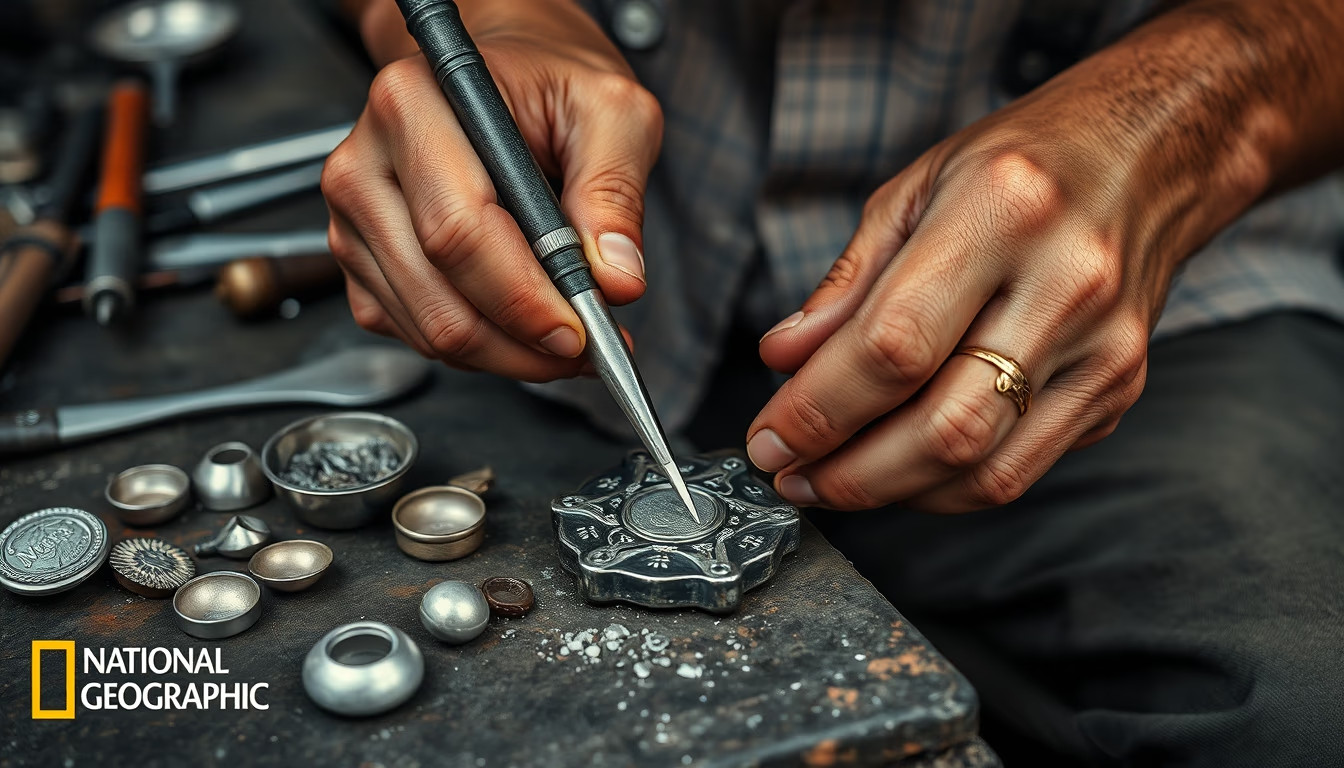
Traditional silver smithing tools used by artisans to create jewelry and decorative objects through centuries-old techniques.
About this subject
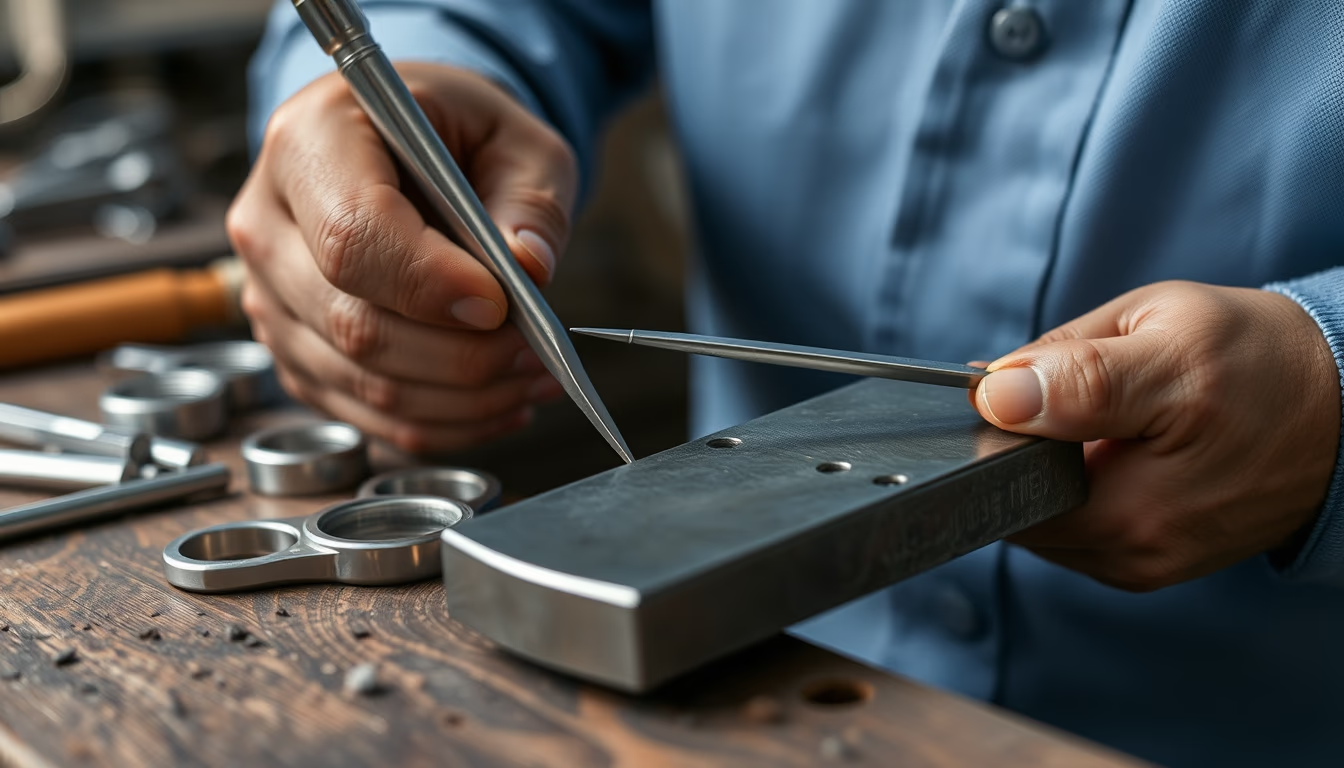
Silver smithing is an ancient craft, with evidence of silverwork dating back to 4000 BCE in Mesopotamia. The tools used by silversmiths have evolved over millennia, but many retain fundamental principles. Hammers, anvils, tongs, files, and chisels form the core set. Each tool serves a specific purpose: hammers of varying weights and shapes for shaping silver, anvils with curved or flat surfaces for forming, tongs for holding hot pieces, files for smoothing, and chisels for details and textures.
In Brazil, silver smithing is particularly strong in regions like Minas Gerais and Bahia, where gold and silver were historically mined. Brazilian artisans adapted European and indigenous techniques, creating a distinct style. Hand tools are still favored by many silversmiths for the precise control they offer over the metal, enabling the creation of unique pieces. Brazilian silverwork is known for filigree, a technique using fine silver wires to form delicate designs, requiring meticulous tools such as specialized pliers and tweezers.
Proper tool maintenance is crucial: silver is malleable, but dull or damaged tools can ruin a piece. Silversmiths often forge their own tools or purchase them from specialized blacksmiths. The silversmith's hammer, for instance, often has interchangeable heads for different finishes. The anvil, typically mounted on a wooden stump, absorbs impact and reduces vibration.
Today, with the resurgence of handicrafts and sustainable fashion, manual silversmithing has gained new momentum. Courses and workshops teach ancient techniques, and modern tools like torches and rolling mills coexist with traditional ones. The demand for exclusive, handmade pieces drives interest in knowledge about silver smithing tools.
Frequently Asked Questions
What are the essential tools for a beginner silver smith?
A basic set includes a silversmith's hammer, small anvil, tongs for hot metal, files of various shapes, chisels, and a torch. A sturdy workbench and safety equipment like goggles and gloves are also important.
How does silver smithing differ from gold smithing?
Silver is more malleable and has a lower melting point than gold, requiring less heat and slightly different tools. However, basic hammering, soldering, and finishing techniques are similar. Silver also tarnishes over time, which can be desirable for an aged look.
Can you learn silver smithing on your own?
Yes, with online tutorials and books, but an in-person course is recommended to learn safety and proper tool handling. Many communities offer introductory workshops.
Direct URL
https://pub-c7d6a6ea828543ac903a74a341ccb2e1.r2.dev/imagens/silver-smithing-tools-national-geographic-style-p4.avifHow to credit
Include a visible link back to UtilizAí. Copy one of the snippets below:
<a href="https://xn--utiliza-eza.com/en/midia/imagens/silver-smithing-tools-national-geographic-style-p4">Silver smithing tools</a> by <a href="https://xn--utiliza-eza.com">UtilizAí</a>, licensed under <a href="https://creativecommons.org/licenses/by/4.0/">CC BY 4.0</a>.
[Silver smithing tools](https://xn--utiliza-eza.com/en/midia/imagens/silver-smithing-tools-national-geographic-style-p4) by [UtilizAí](https://xn--utiliza-eza.com), CC BY 4.0
License: CC-BY-4.0