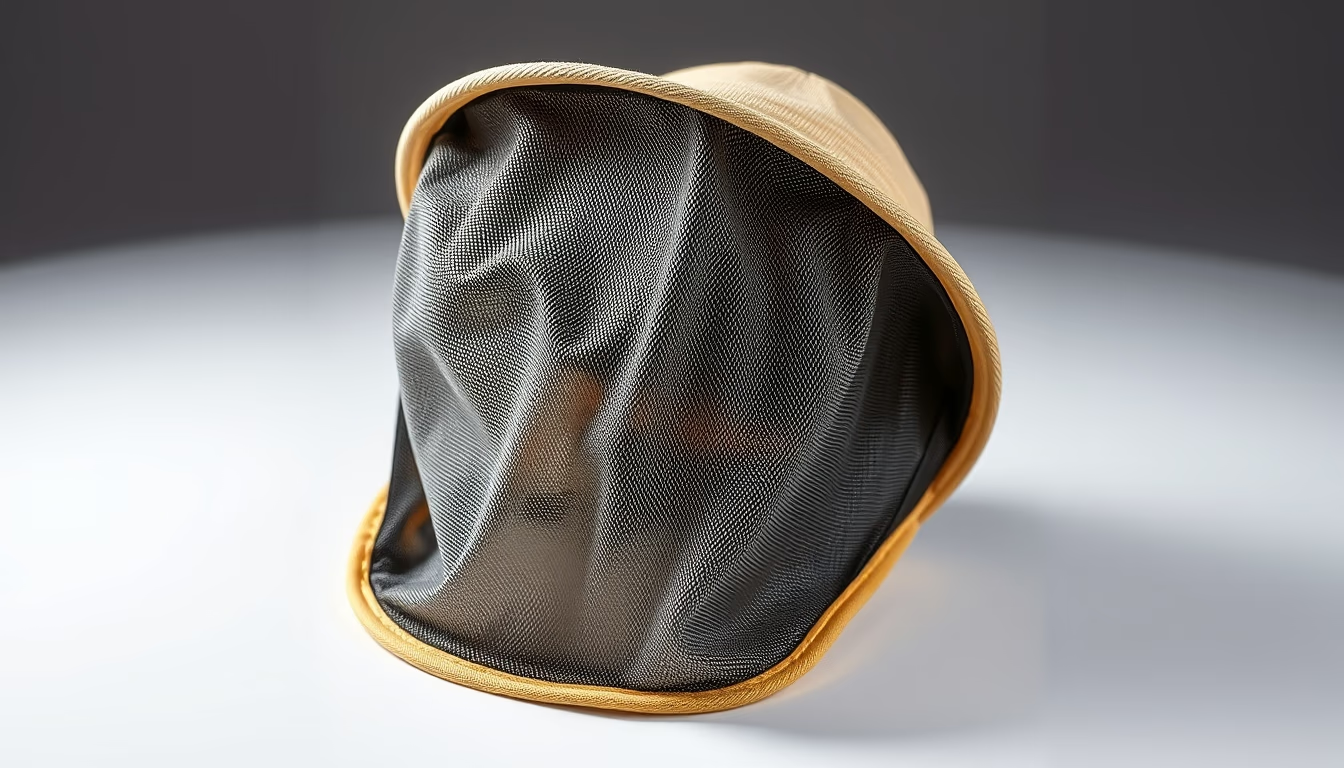
Silk thread spool
1344×768 · AVIF · CC BY 4.0

The silk thread spool is an icon of the textile industry, representing centuries of tradition in luxury thread production.
About this subject
Silk is a natural protein fiber produced by the silkworm (Bombyx mori), originating in ancient China, where sericulture was a closely guarded secret for millennia. The silk thread is extracted from cocoons, which are soaked in hot water to soften sericin, allowing a continuous filament up to 1.5 km to be unwound. This filament is then twisted together to form sewing or weaving thread.
The production of a silk thread spool involves several stages: raising caterpillars fed on mulberry leaves, harvesting cocoons, reeling, and dyeing. Silk thread possesses unique properties: high tensile strength, natural luster, softness, and ability to absorb dyes intensely. These characteristics make it indispensable in haute couture, used for embroidery, invisible seams, and luxurious fabrics.
In fashion history, silk symbolized status and wealth. Brands like Chanel, Dior, and Valentino use silk threads to create exquisite haute couture pieces. Interestingly, a single silk thread can be finer than a human hair yet incredibly strong. Silk thread is preferred for hand embroidery due to its elasticity and durability.
Today, silk production faces sustainability challenges, with alternatives like Ahimsa silk (peace silk) that does not kill the silkworm. The industry seeks ethical and ecological practices while maintaining the ancient tradition. The silk thread spool remains a symbol of textile excellence, blending history, art, and innovation.
Frequently Asked Questions
Why is silk so valued in fashion?
Silk is valued for its natural luster, softness, strength, and vibrant dyeability. In haute couture, it allows delicate and luxurious creations, symbolizing elegance and status.
How is silk thread made from the cocoon?
Cocoons are soaked in hot water to soften sericin, allowing a continuous filament to be unwound. Several filaments are twisted together to form silk thread, which can be dyed and used for embroidery or weaving.
Is silk production sustainable?
Conventional silk production involves killing the silkworm, but alternatives like Ahimsa silk (peace silk) allow the moth to emerge. Organic practices and certifications are growing to make sericulture more sustainable.
Direct URL
https://pub-c7d6a6ea828543ac903a74a341ccb2e1.r2.dev/imagens/silk-thread-spool-high-fashion-editorial-fresh3.avifHow to credit
Include a visible link back to UtilizAí. Copy one of the snippets below:
<a href="https://xn--utiliza-eza.com/en/midia/imagens/silk-thread-spool-high-fashion-editorial-fresh3">Silk thread spool</a> by <a href="https://xn--utiliza-eza.com">UtilizAí</a>, licensed under <a href="https://creativecommons.org/licenses/by/4.0/">CC BY 4.0</a>.
[Silk thread spool](https://xn--utiliza-eza.com/en/midia/imagens/silk-thread-spool-high-fashion-editorial-fresh3) by [UtilizAí](https://xn--utiliza-eza.com), CC BY 4.0
License: CC-BY-4.0