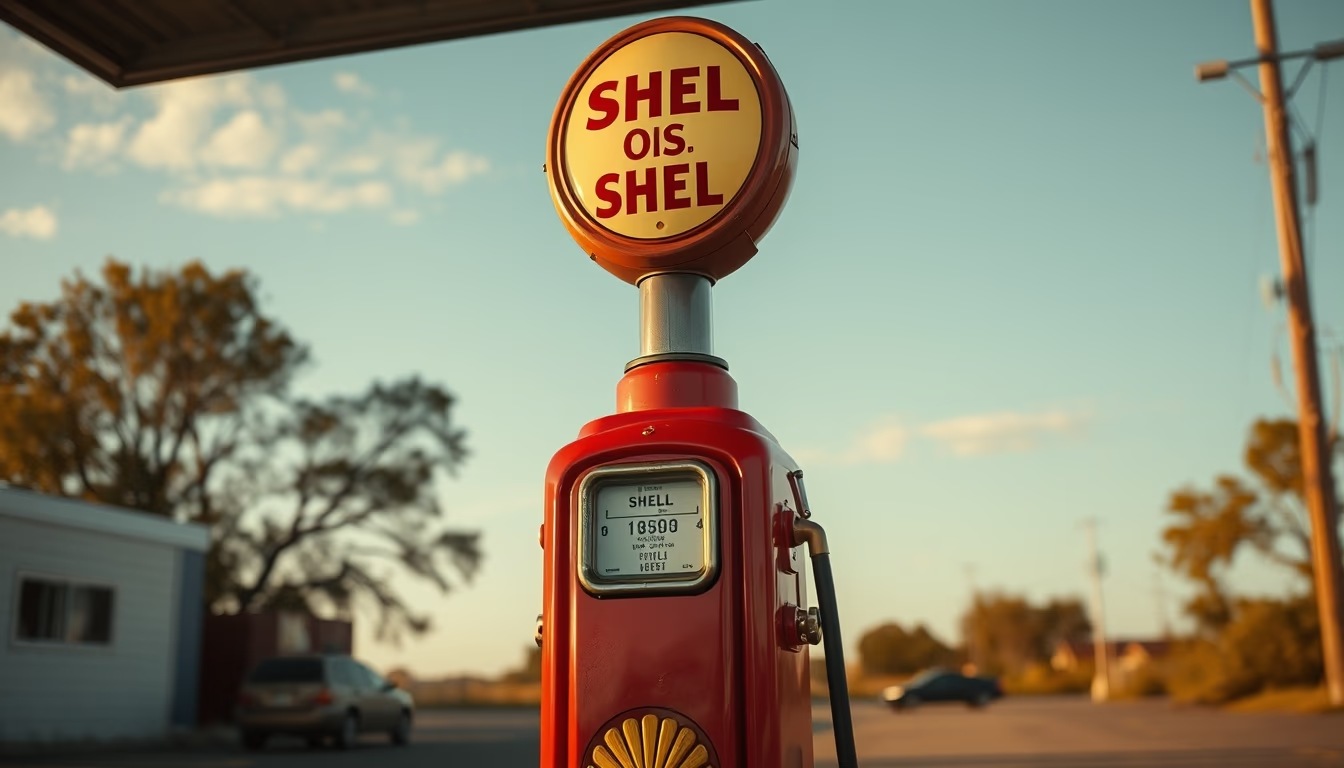
Shell oil vintage pump
1344×768 · AVIF · CC BY 4.0
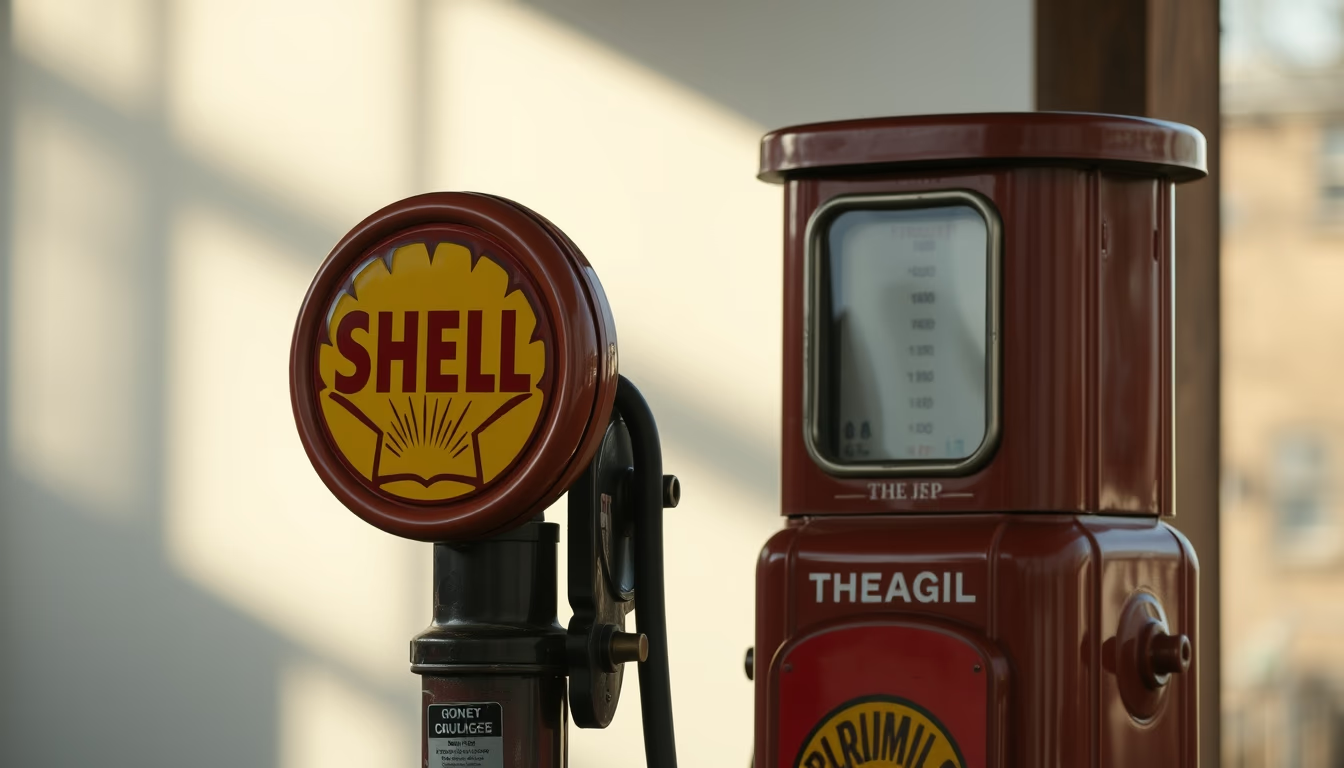
Discover the history of vintage Shell gasoline pumps, icons of industrial design and automotive advertising from the 20th century.
About this subject
Shell, founded in 1907 from the merger of Royal Dutch Petroleum and Shell Transport and Trading Company, became one of the most recognized brands in the oil industry. Its logo, the Pecten shell, was adopted in 1904 and remains virtually unchanged, symbolizing quality and tradition. Vintage Shell gasoline pumps, especially those from the 1930s to the 1960s, are celebrated for their sturdy design and retro aesthetic, combining painted sheet metal in the brand's characteristic yellow and red colors.
These pumps were not only functional but also outdoor advertising pieces. Many featured glass dials displaying volume and price, along with internal lighting for nighttime visibility. The most well-known Shell pump models are the "A" and "B" series, manufactured by companies like Wayne and Gilbert & Barker. The transition from manual to electric pumping occurred in the 1930s and 1940s, increasing efficiency and safety at fuel stations.
In Brazil, Shell arrived in 1913, and its vintage pumps marked the urban landscape of the country's first highways, such as Via Dutra and Estrada União e Indústria. Today, these pumps are highly collectible items, fetching thousands of reais in antique auctions. Restorers dedicate themselves to preserving original paint and internal mechanisms, keeping alive the memory of the golden age of the automobile.
The appeal of vintage pumps goes beyond nostalgia; they represent the evolution of fueling technology and industrial design from an era when gasoline was sold as a luxury product. The durability and aesthetics of these devices continue to inspire themed decorations in garages and specialty shops, cementing Shell's status as an automotive cultural icon.
Frequently Asked Questions
What is the origin of the Shell logo?
The Shell logo, a Pecten shell, was created in 1904. The shell was chosen because founder Marcus Samuel traded ornamental shells before entering the oil business. The design has remained virtually unchanged since then.
Why are vintage Shell gasoline pumps so valuable?
They are valued for their iconic industrial design, rarity, and historical significance. Restored pumps can be worth between $1,000 and $6,000, depending on model and condition. Collectors appreciate the retro aesthetic and cultural importance as symbols of the automotive era.
How did old manual gasoline pumps work?
Manual pumps used a lever or piston mechanism to draw fuel from an underground tank into a graduated glass cylinder. The operator pumped until the desired volume was reached, then released the gas by gravity into the vehicle's tank. Later electric models automated this process.
Direct URL
https://pub-c7d6a6ea828543ac903a74a341ccb2e1.r2.dev/imagens/shell-oil-vintage-pump-documentary-photography-fresh16.avifHow to credit
Include a visible link back to UtilizAí. Copy one of the snippets below:
<a href="https://xn--utiliza-eza.com/en/midia/imagens/shell-oil-vintage-pump-documentary-photography-fresh16">Shell oil vintage pump</a> by <a href="https://xn--utiliza-eza.com">UtilizAí</a>, licensed under <a href="https://creativecommons.org/licenses/by/4.0/">CC BY 4.0</a>.
[Shell oil vintage pump](https://xn--utiliza-eza.com/en/midia/imagens/shell-oil-vintage-pump-documentary-photography-fresh16) by [UtilizAí](https://xn--utiliza-eza.com), CC BY 4.0
License: CC-BY-4.0