Sewing machine vintage
1344×768 · AVIF · CC BY 4.0
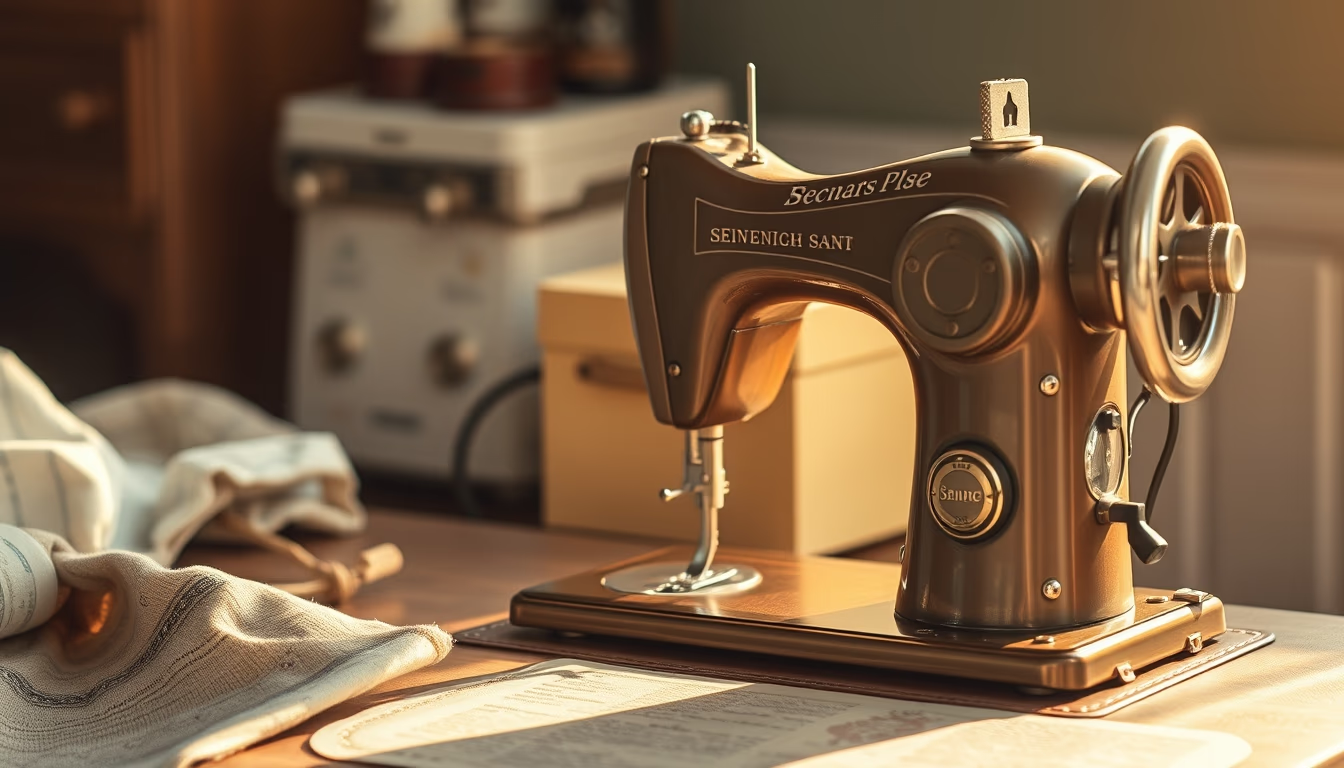
Vintage sewing machine combines history, craftsmanship and design in one collectible object.
About this subject
Vintage sewing machines represent a key chapter in the Industrial Revolution. The first practical model was patented by Elias Howe in 1846, but Isaac Singer popularized home use from the 1850s. These machines, often made of cast iron with gold detailing and carved wood, transformed clothing production by enabling faster and more precise sewing. Iconic models like the Singer 15k and 66k were produced for decades and are found worldwide.
Culturally, the vintage sewing machine symbolizes female autonomy in the home and the dawn of accessible fashion. During the world wars, it was essential for sewing uniforms and civilian clothes. Today, collectors and artisans covet these machines for both their Art Deco aesthetics and robust functionality. Original pieces with complete accessories fetch high prices in the antiques market.
The variety of mechanisms is vast: from hand-crank models to treadle machines and early electric ones. Each type reflects the technology of its era. Maintenance requires technical know-how, as many parts are no longer manufactured. However, their mechanical simplicity allows patient restoration, and they are still used today for quilting and repairing heavy fabrics that challenge modern machines.
The fascination with vintage machines goes beyond utility. They are witnesses to pre-plastic engineering and classic industrial design. Antique fairs and online marketplaces like Etsy and eBay are common sources. For anyone seeking a creative hobby with historical value, a vintage sewing machine is a gateway to the past of fashion and technology.
Frequently Asked Questions
How to identify an original vintage sewing machine?
Check the serial number engraved on the plate or body. Use online databases for manufacturers like Singer, Pfaff, or Bernina to determine exact year and model. Gold decals, wooden knobs, and iron base are signs of authenticity.
What is the most valuable vintage sewing machine?
The Singer 1 (first model from 1851) is extremely rare. Models like the Singer 15k with original cabinet in good condition or Art Deco electric machines from the 1930s also fetch high prices, especially with complete accessories.
How to maintain a vintage sewing machine?
Lubricate with specific machine oil, cover with a dry cloth when not in use, and avoid moisture. Clean metal parts with a slightly damp cloth, no abrasives. For electric models, inspect wiring before plugging in.
Direct URL
https://pub-c7d6a6ea828543ac903a74a341ccb2e1.r2.dev/imagens/sewing-machine-vintage-travel-photography-p1.avifHow to credit
Include a visible link back to UtilizAí. Copy one of the snippets below:
<a href="https://xn--utiliza-eza.com/en/midia/imagens/sewing-machine-vintage-travel-photography-p1">Sewing machine vintage</a> by <a href="https://xn--utiliza-eza.com">UtilizAí</a>, licensed under <a href="https://creativecommons.org/licenses/by/4.0/">CC BY 4.0</a>.
[Sewing machine vintage](https://xn--utiliza-eza.com/en/midia/imagens/sewing-machine-vintage-travel-photography-p1) by [UtilizAí](https://xn--utiliza-eza.com), CC BY 4.0
License: CC-BY-4.0