Security camera surveillance
1344×768 · AVIF · CC BY 4.0
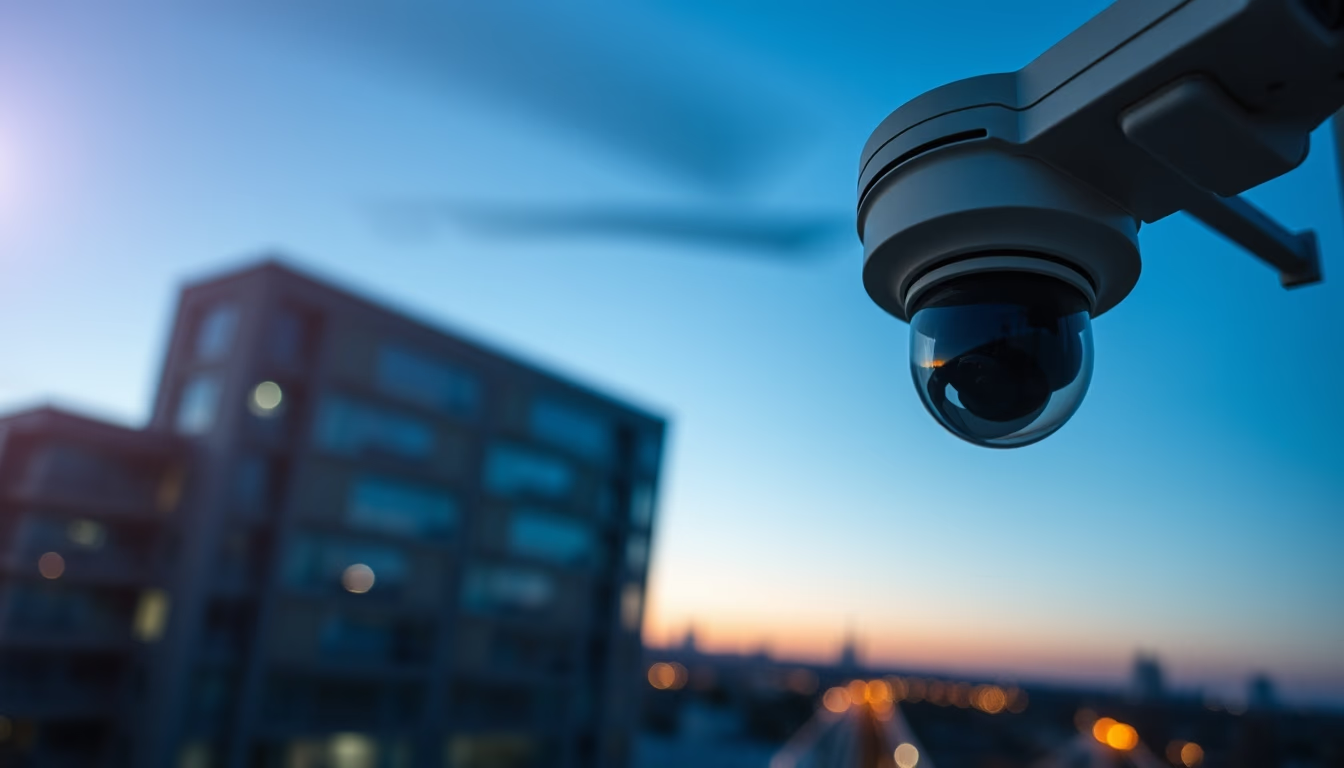
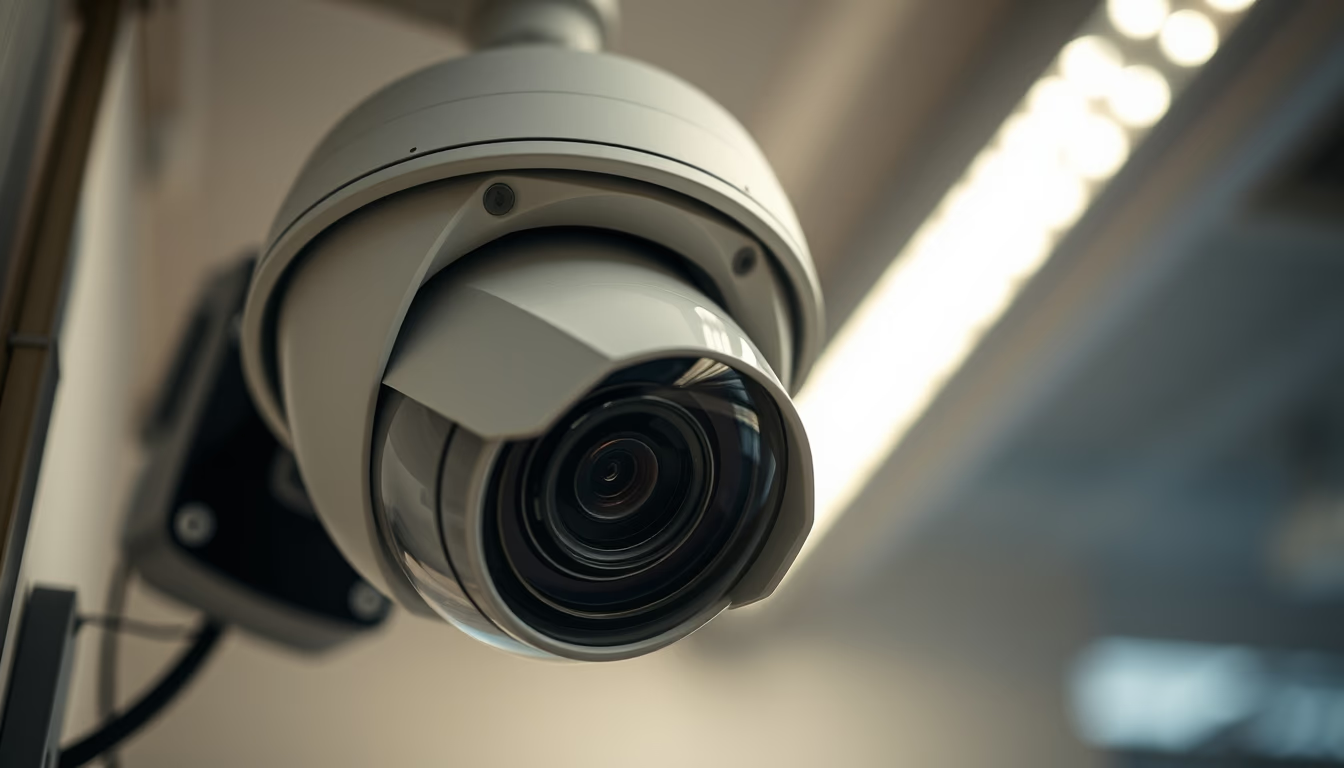
Smart security cameras have become ubiquitous in homes and cities, with drone surveillance expanding aerial monitoring.
About this subject
Security camera systems have evolved from simple analog devices to intelligent digital networks integrated with home automation platforms. Today, IP cameras with infrared sensors, facial recognition, and cloud storage enable remote real-time monitoring. This technology not only enhances property security but also collects data for behavioral analysis, feeding artificial intelligence systems that detect anomalies.
In the smart home context, cameras connect to virtual assistants and motion sensors, creating reactive environments. Residents can receive alerts on their phones when someone is identified at the entrance, or schedule routines that simulate presence during trips. The popularity of devices like Amazon Ring and Google Nest has propelled the market, which is expected to reach $20 billion by 2026.
At the same time, aerial surveillance via drones has gained ground in public and private security operations. Drones equipped with thermal cameras and optical zoom patrol large areas such as condominiums and stadiums, offering a perspective impossible for fixed cameras. In the United States, the FAA regulates commercial drone use, but privacy concerns and data collection still spark legal debates.
A major challenge is balancing security and privacy. Cameras in public spaces may inadvertently record images, raising questions about consent. With advanced artificial intelligence, the ability to track individuals in real time intensifies fears of mass surveillance. Therefore, regulations like the GDPR in Europe and LGPD in Brazil impose restrictions on the processing of biometric data and images captured without authorization.
Frequently Asked Questions
What are the main types of security cameras for smart homes?
There are indoor and outdoor cameras, wired or wireless (Wi-Fi), models with night vision, motion detection, cloud or local recording, and integration with assistants like Alexa and Google Assistant.
How does drone surveillance differ from traditional cameras?
Drones offer mobility and aerial views, covering large areas and angles that fixed cameras cannot. They are mainly used for temporary monitoring of events, borders, or large perimeters.
What are the privacy risks associated with smart cameras?
Data leaks, account intrusions, and unauthorized recording are common risks. The GDPR requires companies to clearly inform about image collection and offer deletion and consent options.
Direct URL
https://pub-c7d6a6ea828543ac903a74a341ccb2e1.r2.dev/imagens/security-camera-surveillance-aerial-drone-shot-p5.avifHow to credit
Include a visible link back to UtilizAí. Copy one of the snippets below:
<a href="https://xn--utiliza-eza.com/en/midia/imagens/security-camera-surveillance-aerial-drone-shot-p5">Security camera surveillance</a> by <a href="https://xn--utiliza-eza.com">UtilizAí</a>, licensed under <a href="https://creativecommons.org/licenses/by/4.0/">CC BY 4.0</a>.
[Security camera surveillance](https://xn--utiliza-eza.com/en/midia/imagens/security-camera-surveillance-aerial-drone-shot-p5) by [UtilizAí](https://xn--utiliza-eza.com), CC BY 4.0
License: CC-BY-4.0