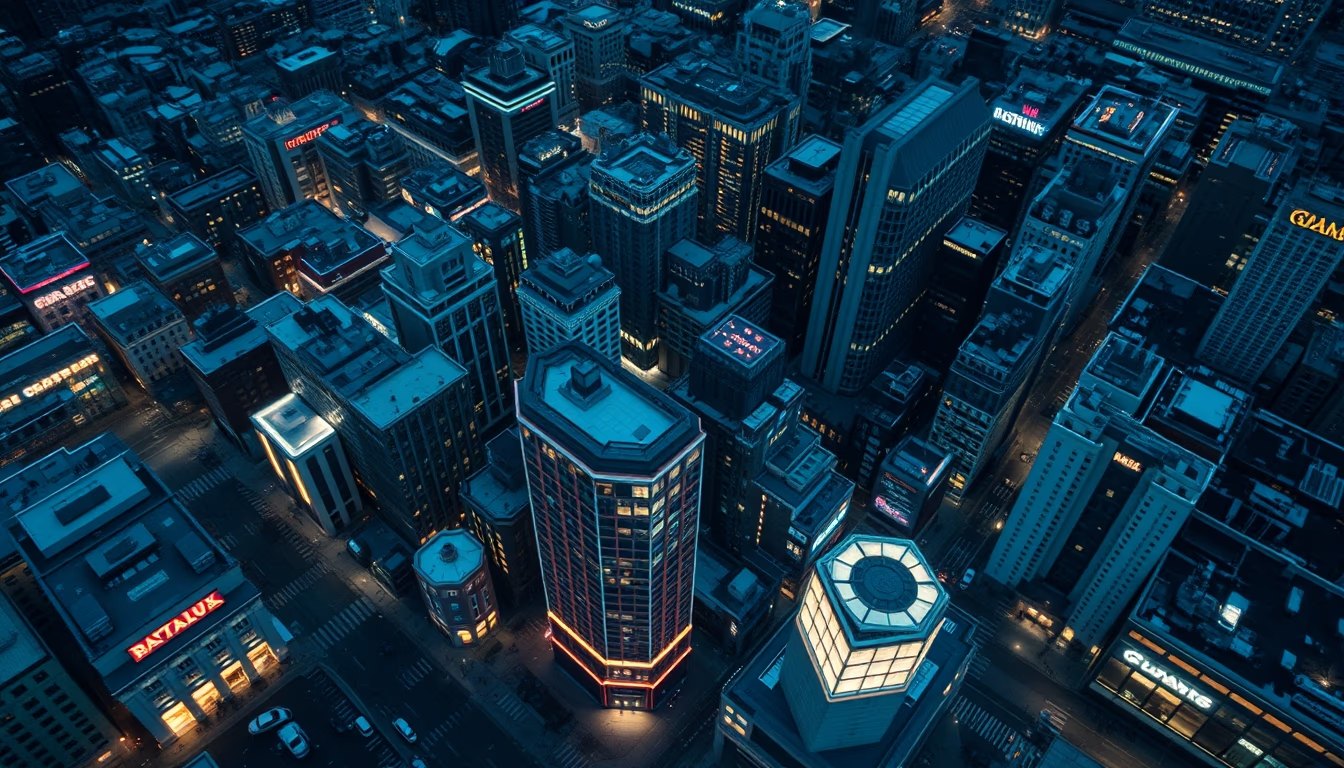
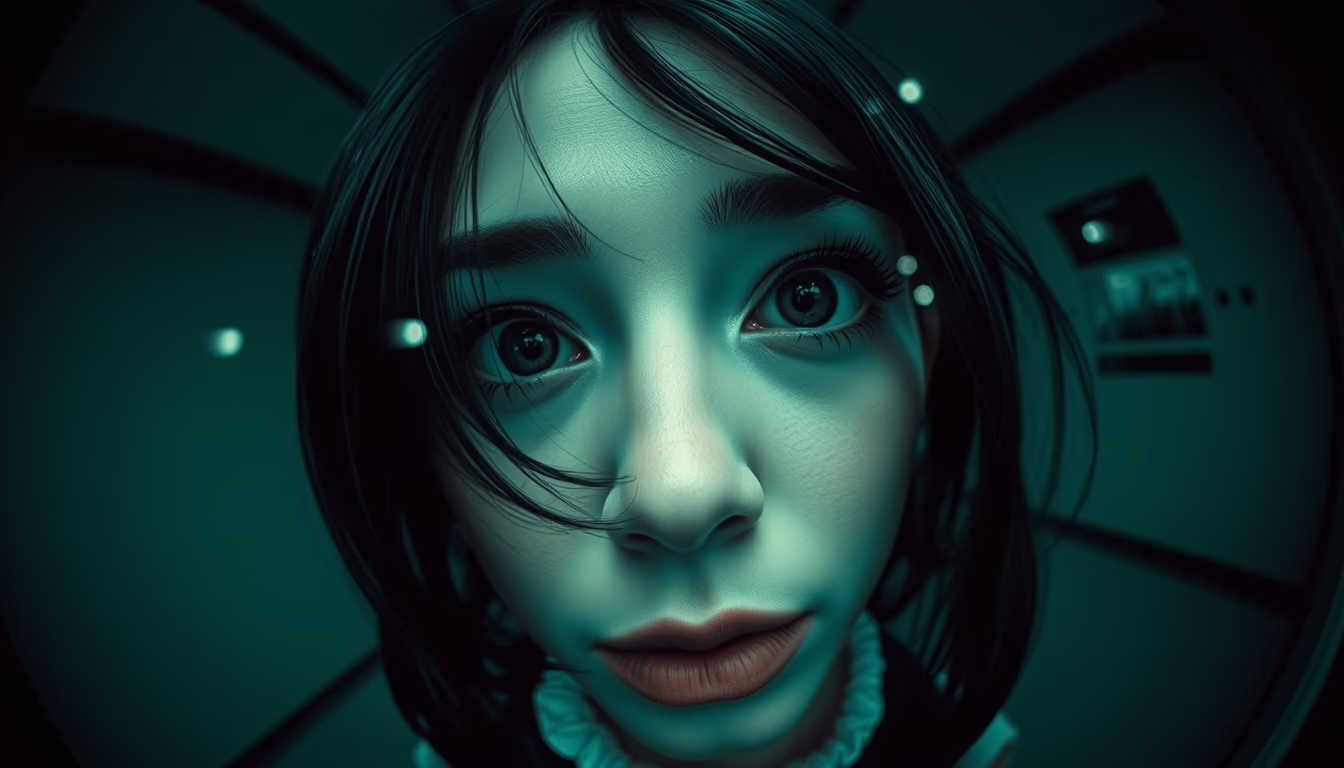
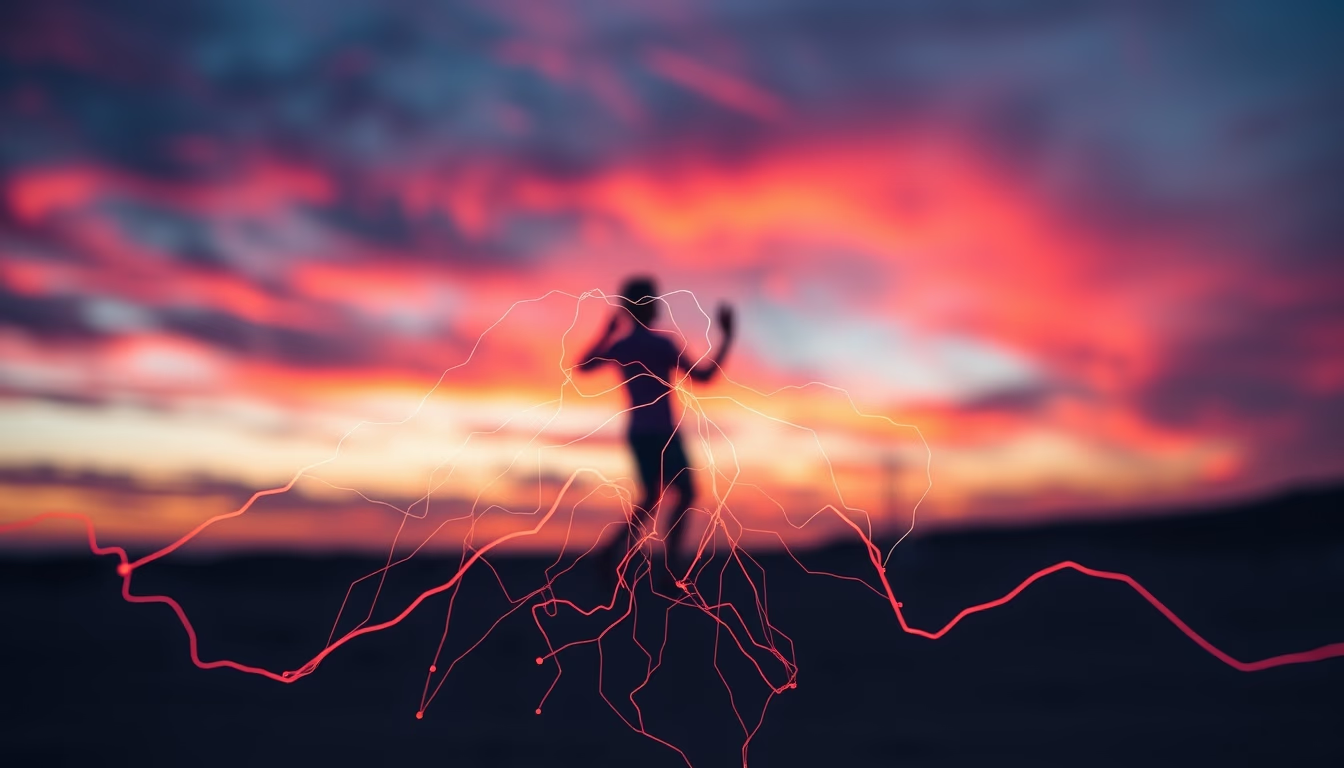
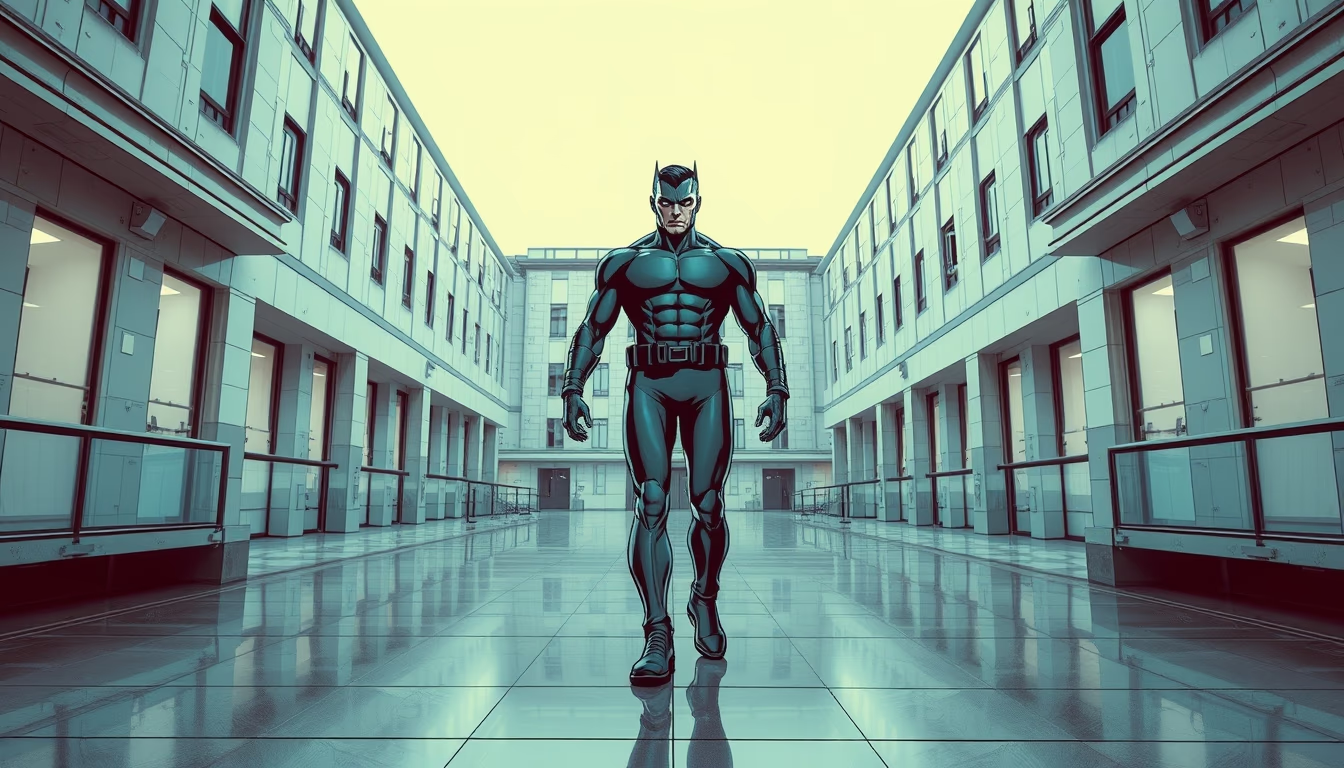
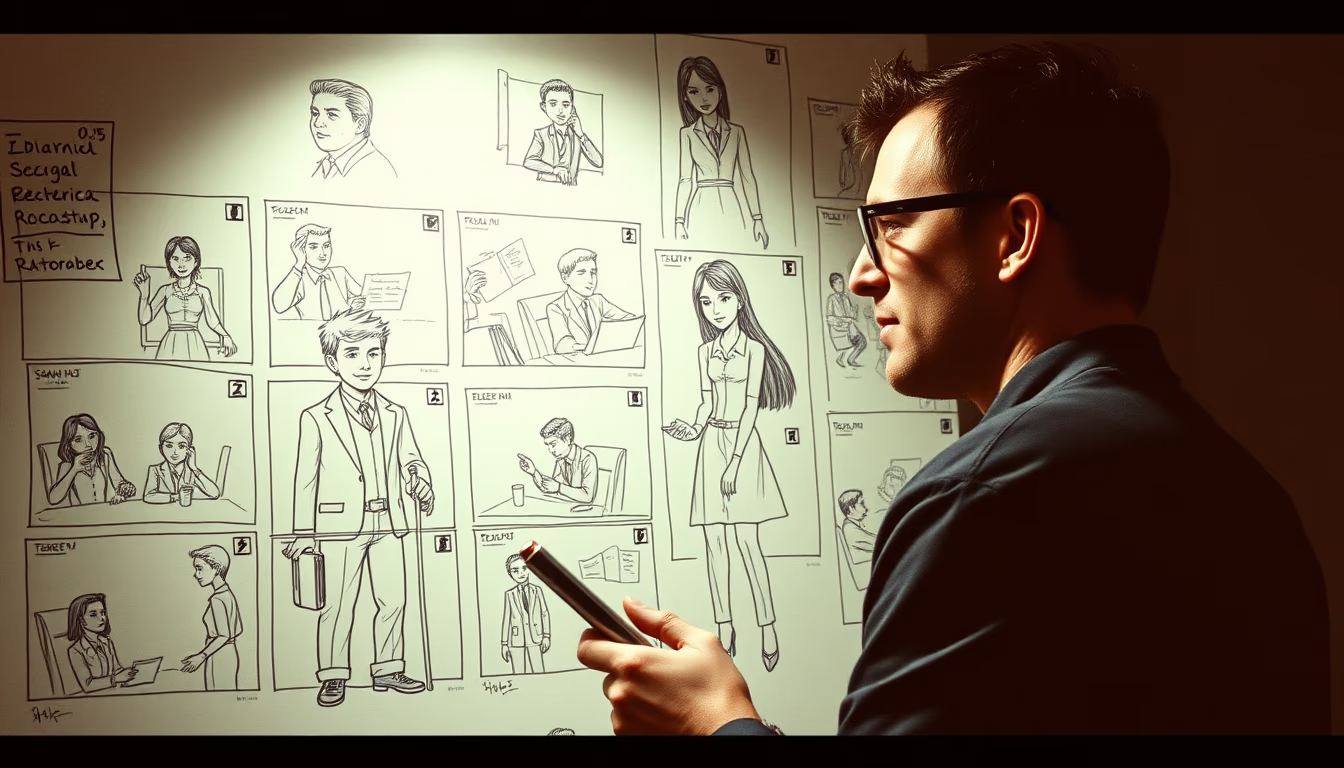
Screentone manga texture
1344×768 · AVIF · CC BY 4.0

Screentones are dotted textures used in manga for shading and visual effects, originating in the Japanese graphic industry of the 20th century.
About this subject
Screentones are transferable patterns of dots, lines, or textures that manga artists apply over black-and-white drawings to create shading, gradients, volume, and atmosphere. Popularized in Japan from the 1960s, these adhesive sheets were initially produced by Letraset and later by specialized brands like Deleter. The technique replaced manual hatching, streamlining the creation process and standardizing the visual finish of Japanese comics.
Each screentone has a specific density of dots per inch (e.g., 60L, 80L), which determines the resulting gray tone. Beyond traditional dots, there are variations such as parallel lines (tomoe), gradients, fabric textures, and geometric patterns. In the digital era, screentones were recreated as brushes and textures in software like Clip Studio Paint and Photoshop, preserving the classic aesthetic while offering greater editing flexibility.
In high fashion editorial, screentones have transcended comics and become graphic elements in fashion photography. Designers and photographers incorporate these patterns to evoke a pop, nostalgic, or experimental look, blending Japanese pop culture with contemporary aesthetics. The dotted texture, for example, can be projected onto fabrics, accessories, or even the models' skin, creating a dialogue between analog and digital.
The global visual culture influence of screentones is undeniable. They are recognizable not only by manga fans but also by design and fashion enthusiasts. Their versatility allows applications ranging from illustrations to magazine covers and advertising campaigns, always carrying a strong aesthetic and referential appeal.
Frequently Asked Questions
What are screentones?
Screentones are adhesive sheets with dot, line, or texture patterns that manga artists stick onto drawings to create shading and visual effects. They function as a halftone resource and can be either physical (transferable) or digital.
How are screentones applied in manga?
Traditionally, the artist cuts the desired piece from a screentone sheet and glues it onto the area to be shaded, then scrapes off excess with a knife. Digitally, one selects the pattern and paints over the desired layer, adjusting scale, rotation, and opacity.
Why are screentones used in fashion editorial?
Screentones have a unique visual appeal that references Japanese pop culture and retro style. In high fashion editorials, they are used as graphic textures to create contrast, modernity, or nostalgia, often projected onto clothing, sets, or directly onto models.
Direct URL
https://pub-c7d6a6ea828543ac903a74a341ccb2e1.r2.dev/imagens/screentone-manga-texture-high-fashion-editorial-fresh11.avifHow to credit
Include a visible link back to UtilizAí. Copy one of the snippets below:
<a href="https://xn--utiliza-eza.com/en/midia/imagens/screentone-manga-texture-high-fashion-editorial-fresh11">Screentone manga texture</a> by <a href="https://xn--utiliza-eza.com">UtilizAí</a>, licensed under <a href="https://creativecommons.org/licenses/by/4.0/">CC BY 4.0</a>.
[Screentone manga texture](https://xn--utiliza-eza.com/en/midia/imagens/screentone-manga-texture-high-fashion-editorial-fresh11) by [UtilizAí](https://xn--utiliza-eza.com), CC BY 4.0
License: CC-BY-4.0