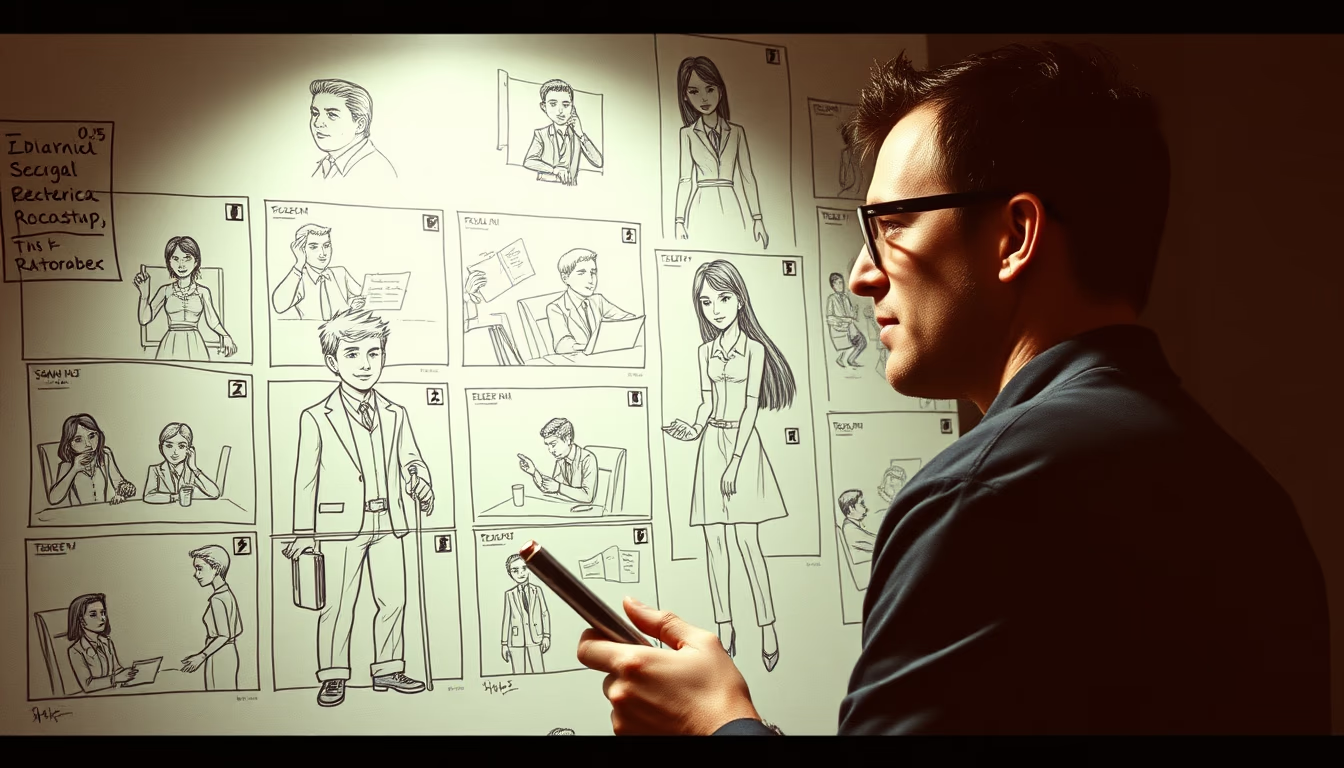
Screentone manga texture
1344×768 · AVIF · CC BY 4.0

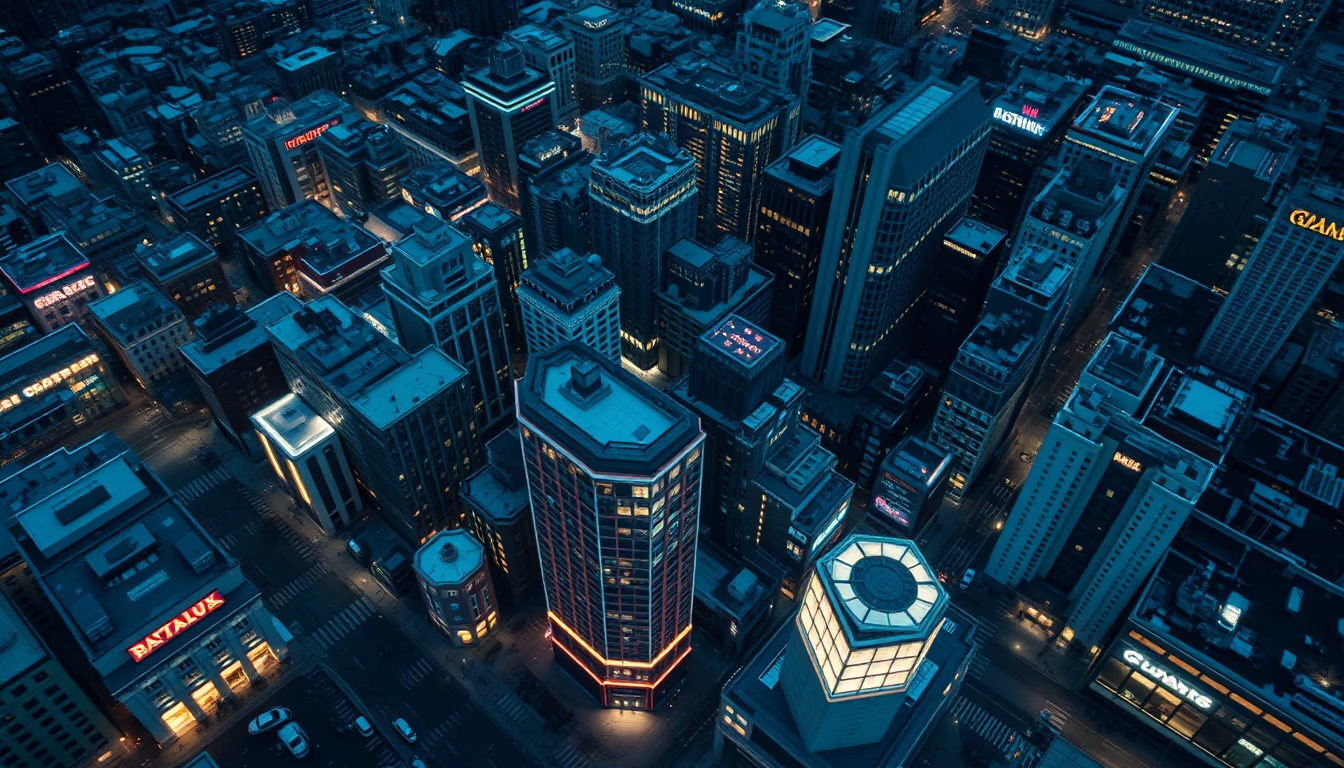
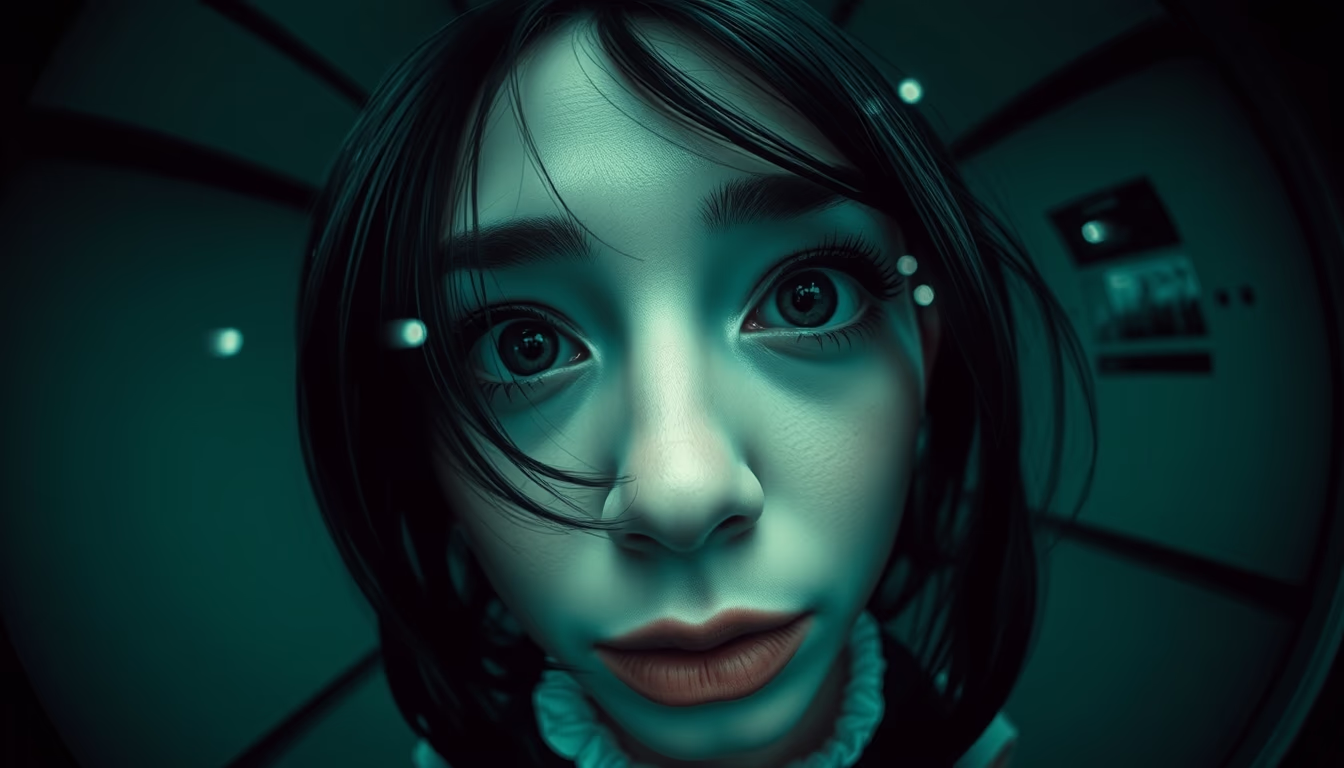
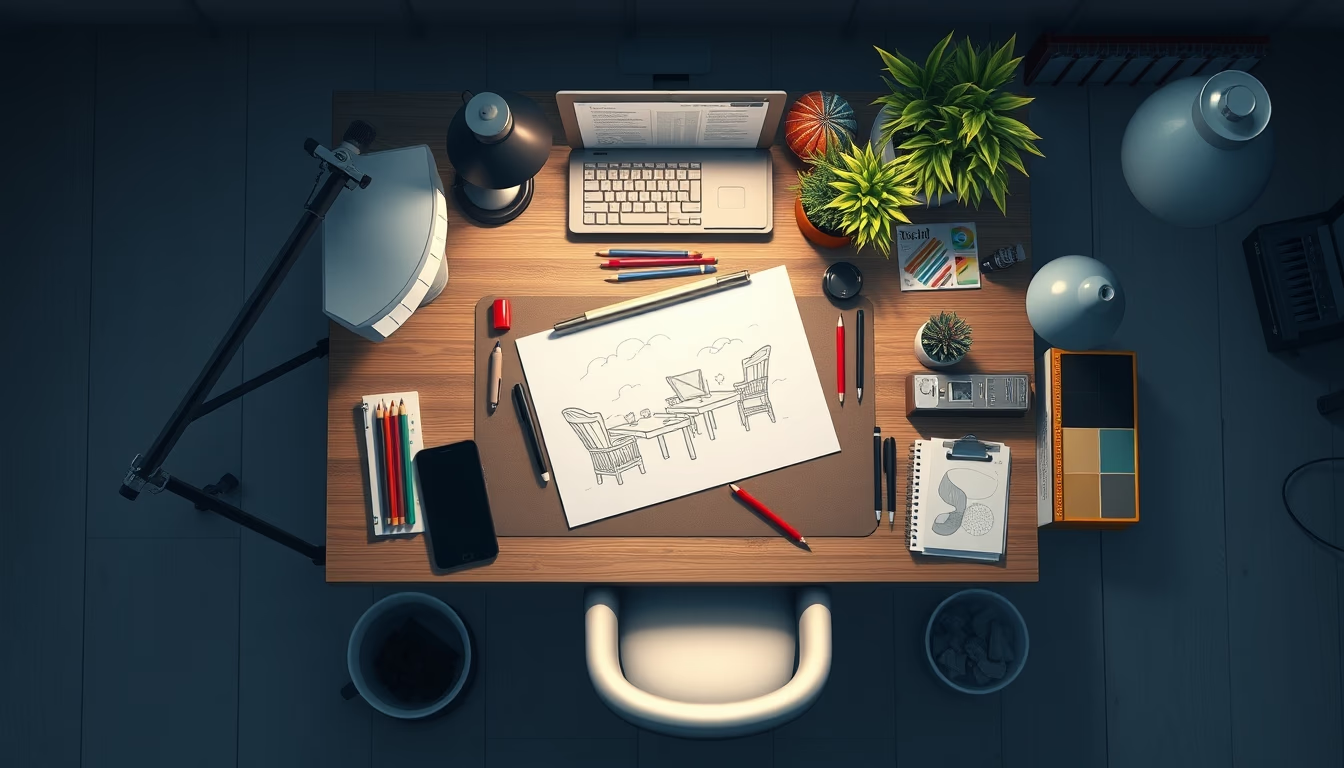
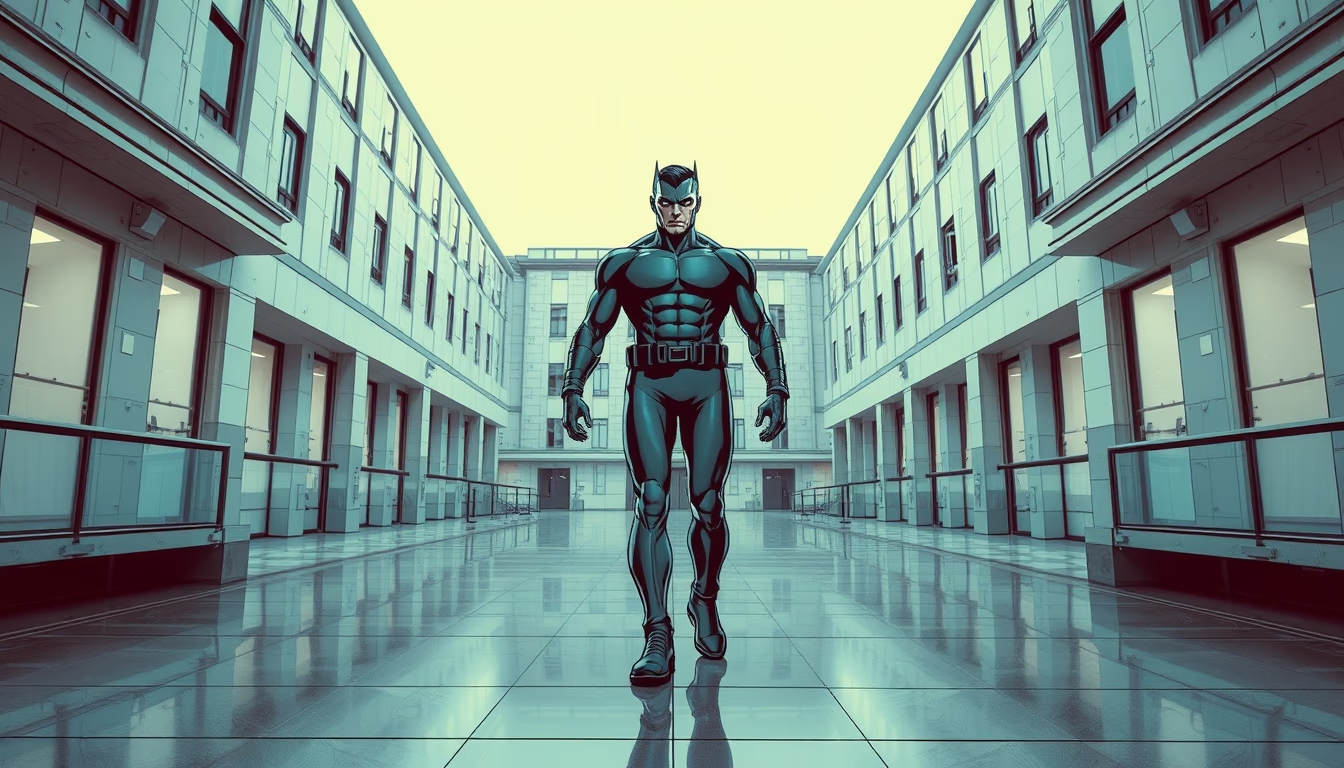
Screentone is a halftone technique used in manga to create shadows and textures, blending hand-drawn art with commercial printing.
About this subject
Screentone is a halftone technique fundamental to manga production. It consists of adhesive or digital sheets printed with patterns of dots, lines, or textures, applied over inked drawings to simulate shading, gradients, atmospheric effects, or surface textures. The technique emerged in Japan during the 1960s, driven by the need to speed up the creation of weekly serialized comics. Before screentone, artists like Osamu Tezuka had to draw every dot by hand, a time-consuming process. Prefabricated sheets, initially imported from Letraset, allowed manga artists to achieve professional results more quickly without sacrificing artistic quality.
Applying screentone traditionally requires precision: the artist cuts the sheet with a knife, adheres it to the original, and scrapes areas to create fades. Each pattern has a specific code, such as “61” for fine dots or “IC” for cloud textures. Iconic works like Katsuhiro Otomo’s “Akira” and Akira Toriyama’s “Dragon Ball” popularized screentone use. Since the 2000s, many artists have shifted to digital screentone, available in software like Clip Studio Paint, which offers greater control and lower cost while mimicking traditional patterns.
Culturally, screentone bridges traditional craftsmanship and mass production. It is not merely functional; it shapes manga’s visual identity, making it instantly recognizable worldwide. In Brazil, screentone is still used in fanzines and independent comics, keeping the analog technique alive. Interestingly, “screentone” derives from the trademarked brand Screen Tone by Japanese company Maxon, but it has become a generic term for any such halftone sheet.
Frequently Asked Questions
What is screentone in manga?
Screentone is an adhesive sheet with dot or texture patterns that manga artists apply over drawings to create shading, gradients, and visual effects without drawing every detail by hand.
How do you apply traditional screentone?
The artist cuts the screentone to shape with a knife, adheres it to the original, and uses a scraper tool to remove parts for fades. The process requires patience and precision.
Is screentone still used today?
Yes, but many artists have switched to digital versions in software like Clip Studio Paint. Analog screentone is still favored by traditionalists and in independent comics scenes in Brazil and worldwide.
Direct URL
https://pub-c7d6a6ea828543ac903a74a341ccb2e1.r2.dev/imagens/screentone-manga-texture-cinematic-wide-shot-fresh2.avifHow to credit
Include a visible link back to UtilizAí. Copy one of the snippets below:
<a href="https://xn--utiliza-eza.com/en/midia/imagens/screentone-manga-texture-cinematic-wide-shot-fresh2">Screentone manga texture</a> by <a href="https://xn--utiliza-eza.com">UtilizAí</a>, licensed under <a href="https://creativecommons.org/licenses/by/4.0/">CC BY 4.0</a>.
[Screentone manga texture](https://xn--utiliza-eza.com/en/midia/imagens/screentone-manga-texture-cinematic-wide-shot-fresh2) by [UtilizAí](https://xn--utiliza-eza.com), CC BY 4.0
License: CC-BY-4.0