Sashimi presentation
1344×768 · AVIF · CC BY 4.0
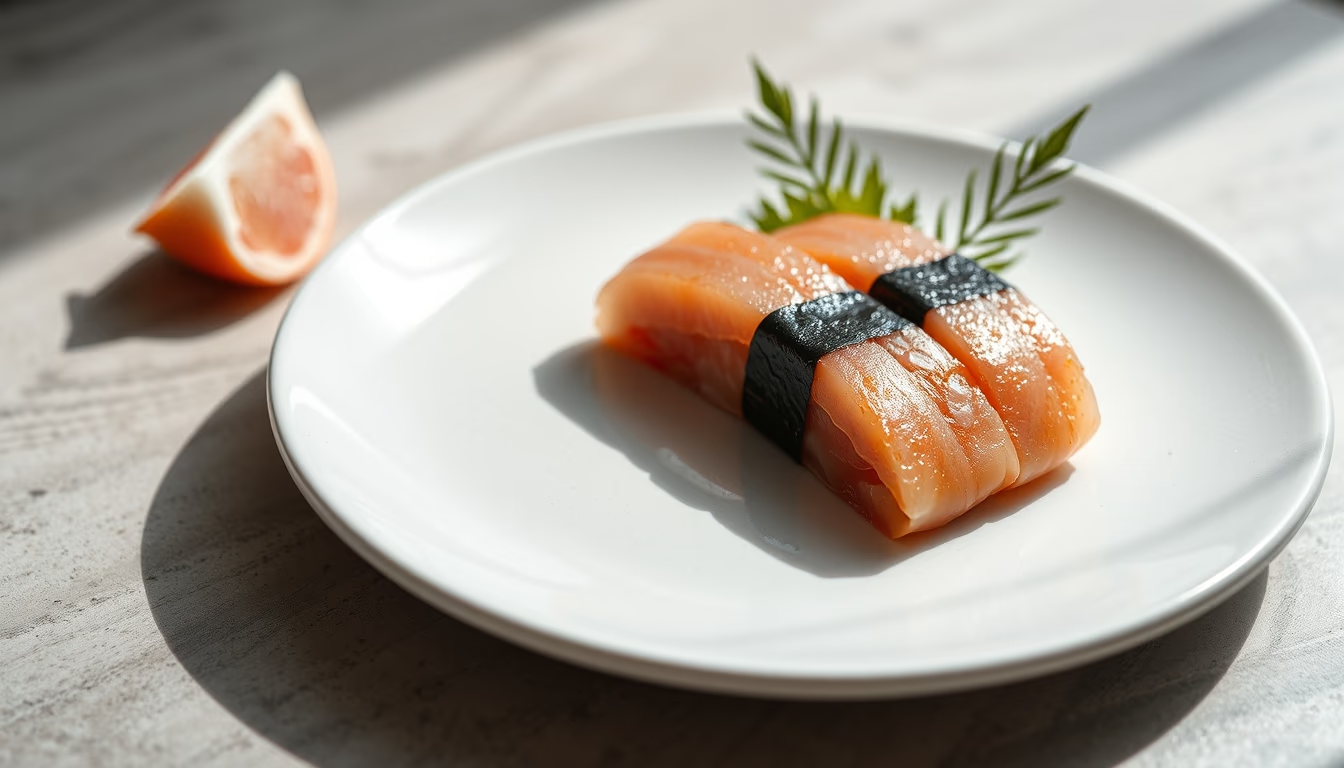
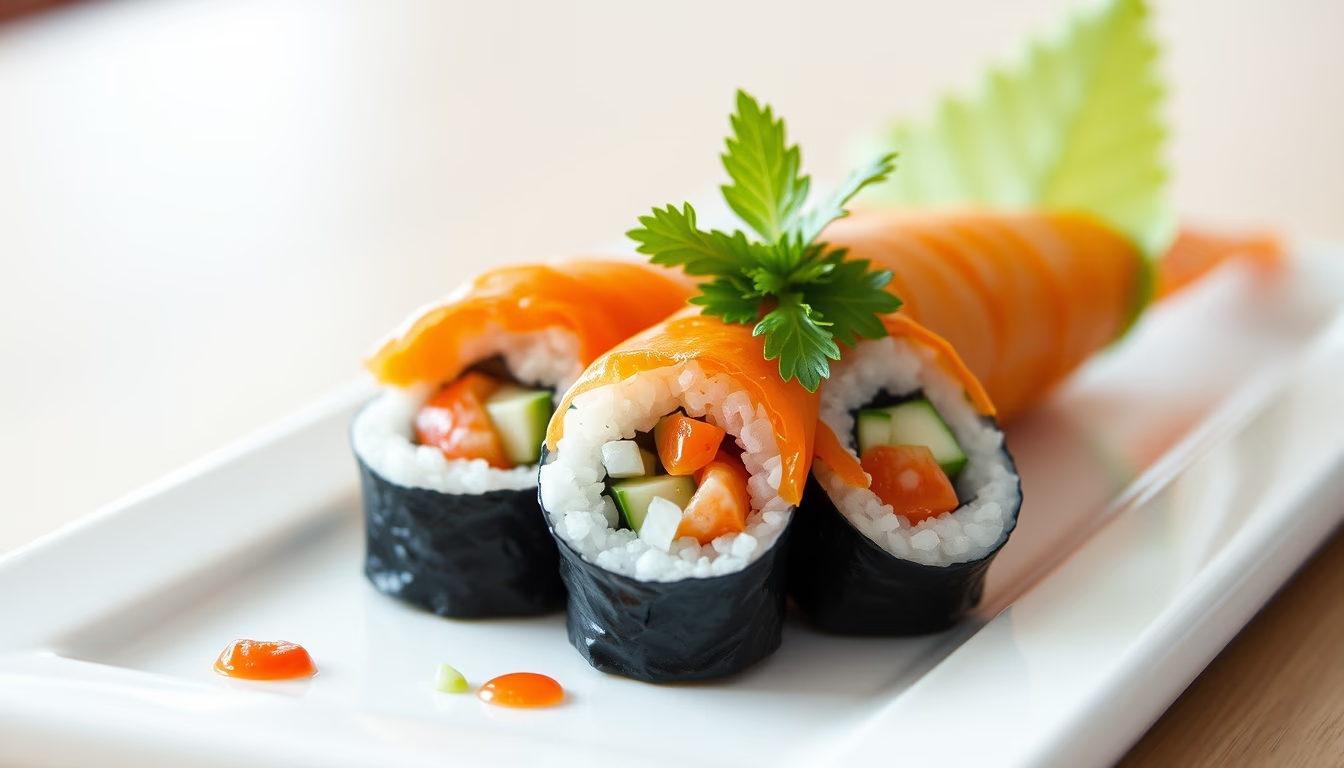
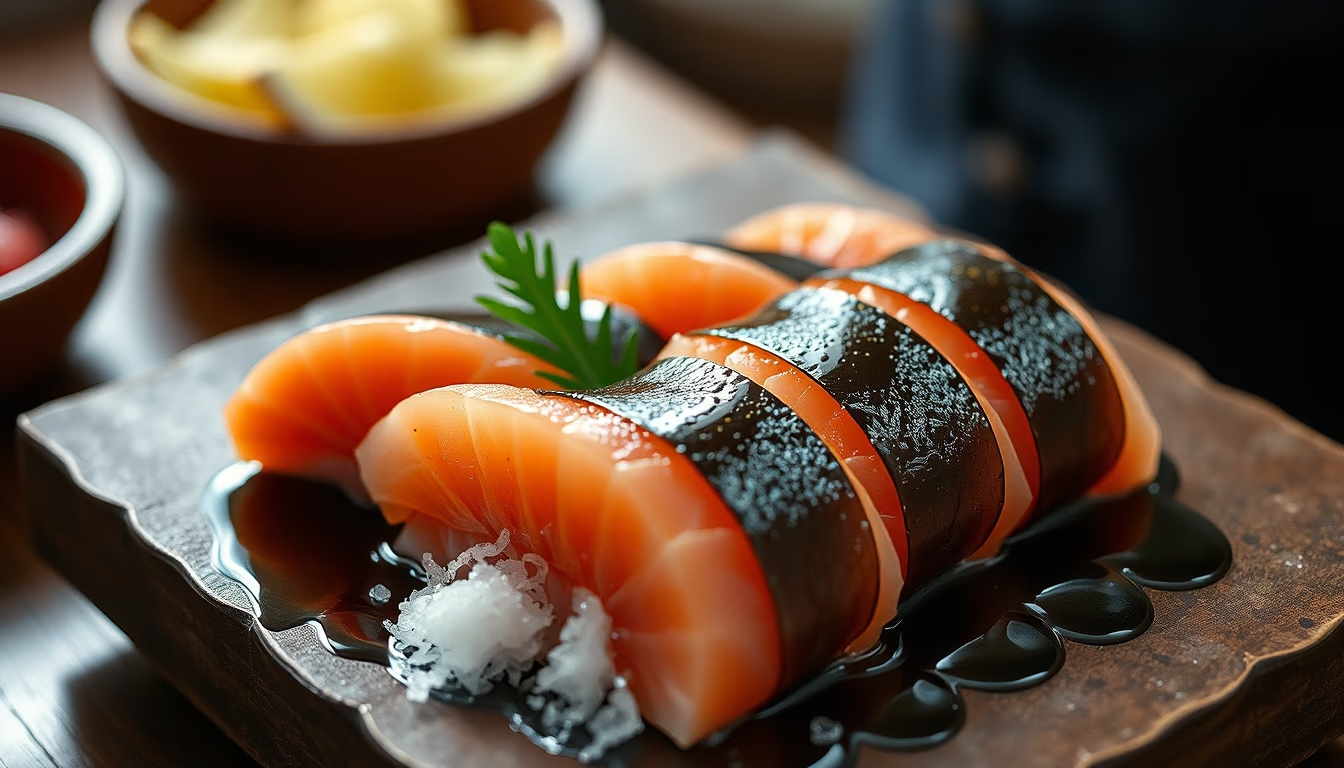
Sashimi presentation is a Japanese culinary art form that emphasizes the freshness and minimalist aesthetic of raw fish slices.
About this subject
Sashimi presentation, known as tsukurushi or moriawase, is far more than arranging raw fish on a plate. It is a practice deeply rooted in Japanese culture, valuing simplicity, balance, and respect for the ingredient. Each slice is cut with millimeter precision, typically in rectangular shapes (hira-zukuri), thin strips (ito-zukuri), or cubes (kaku-zukuri), depending on the fish and desired presentation. The correct cut is essential to enhance texture and flavor, breaking muscle fibers so the fish melts in the mouth.
The choice of plate is another critical element. Traditionally, ceramics, lacquerware, or glass are used, with colors and shapes that contrast or complement the fish. A plain white plate is common to highlight the vibrant color of salmon or tuna, while a dark piece can accentuate the delicacy of flounder or sea bass. Garnishes (tsuma) are not merely decorative: finely shredded daikon radish (katsuramuki), shiso leaves, pickled ginger (gari), and wasabi are strategically placed to cleanse the palate between varieties and add freshness. The minimalist composition allows each element to breathe, evoking the Japanese aesthetic concepts of ma (empty space) and wabi-sabi (beauty in imperfection).
Historically, sashimi emerged as a way to enjoy freshly caught fish before the widespread use of fire for cooking. During the Heian period (794, 1185), it was already served at court banquets. Over time, presentation techniques were refined by sushi chefs and specialized restaurants (ryotei). Today, sashimi is a global icon of Japanese cuisine, celebrated both in high-end dining and everyday meals. Freshness is paramount: common fish include tuna (maguro), salmon (sake), sea bass (suzuki), and sweet shrimp (amaebi), with the chef selecting the best of the day, often from markets like Tsukiji in Tokyo.
A curiosity: the recommended order of consumption is to start with milder fish (like flounder) and progress to more intense flavors (like fatty tuna, otoro). This ensures each taste is fully appreciated without overwhelming the palate. Sashimi is served without rice: the purity of the fish is the star. Soy sauce (shoyu) is served on the side, and a dab of wasabi can be mixed into the sauce or placed on the slice, but excess is avoided to not mask the natural flavor.
Frequently Asked Questions
What is the difference between sashimi and sushi?
Sashimi is raw fish sliced and served without rice, while sushi combines raw fish with vinegared rice. Sashimi focuses solely on the quality and presentation of the fish.
Which fish is most common for sashimi?
Tuna (maguro), salmon (sake), sea bass (suzuki), flounder (hirame), and sweet shrimp (amaebi) are popular. The choice depends on freshness and season.
How should sashimi be eaten?
Lightly dip it in soy sauce, preferably fish-side down, to avoid soaking. Wasabi can be added but sparingly. Start with the mildest fish and progress to stronger flavors.
Direct URL
https://pub-c7d6a6ea828543ac903a74a341ccb2e1.r2.dev/imagens/sashimi-presentation-minimalist-composition-fresh10.avifHow to credit
Include a visible link back to UtilizAí. Copy one of the snippets below:
<a href="https://xn--utiliza-eza.com/en/midia/imagens/sashimi-presentation-minimalist-composition-fresh10">Sashimi presentation</a> by <a href="https://xn--utiliza-eza.com">UtilizAí</a>, licensed under <a href="https://creativecommons.org/licenses/by/4.0/">CC BY 4.0</a>.
[Sashimi presentation](https://xn--utiliza-eza.com/en/midia/imagens/sashimi-presentation-minimalist-composition-fresh10) by [UtilizAí](https://xn--utiliza-eza.com), CC BY 4.0
License: CC-BY-4.0