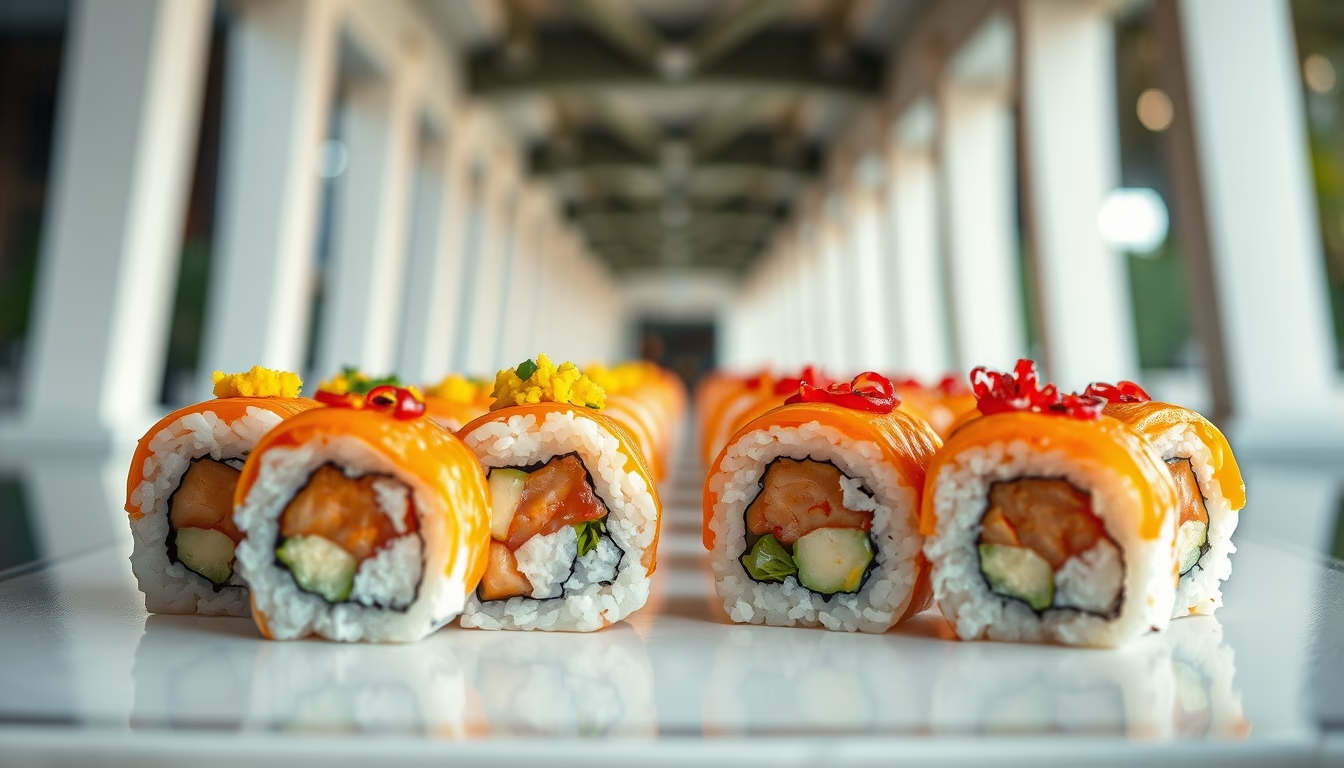
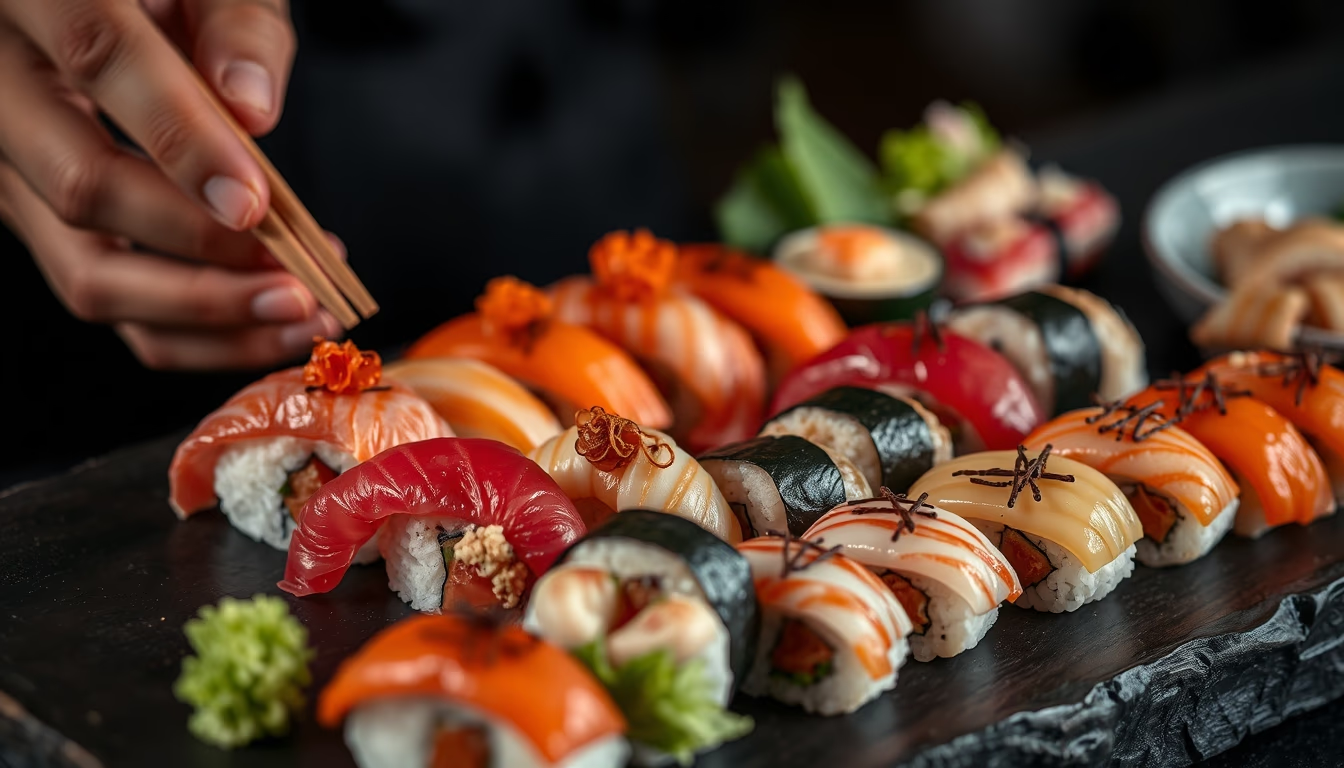
Sashimi presentation
1344×768 · AVIF · CC BY 4.0
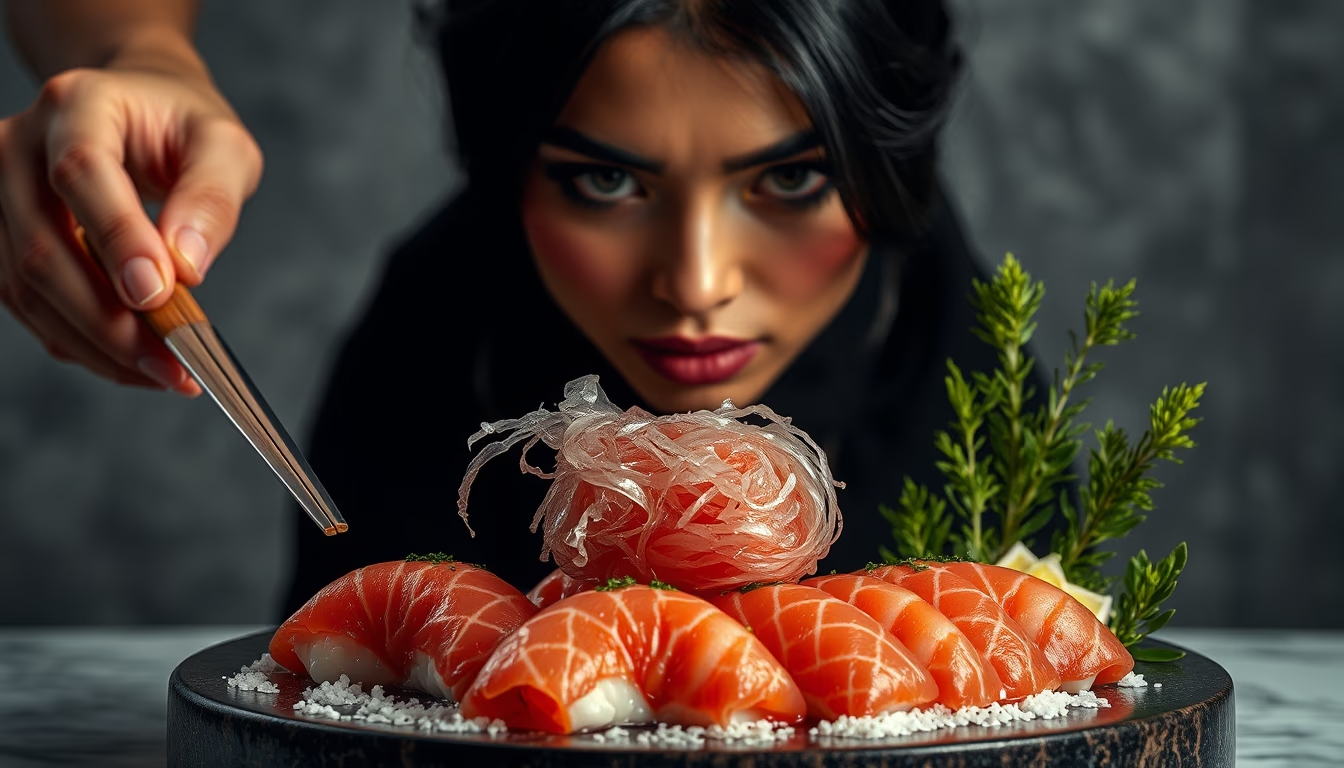
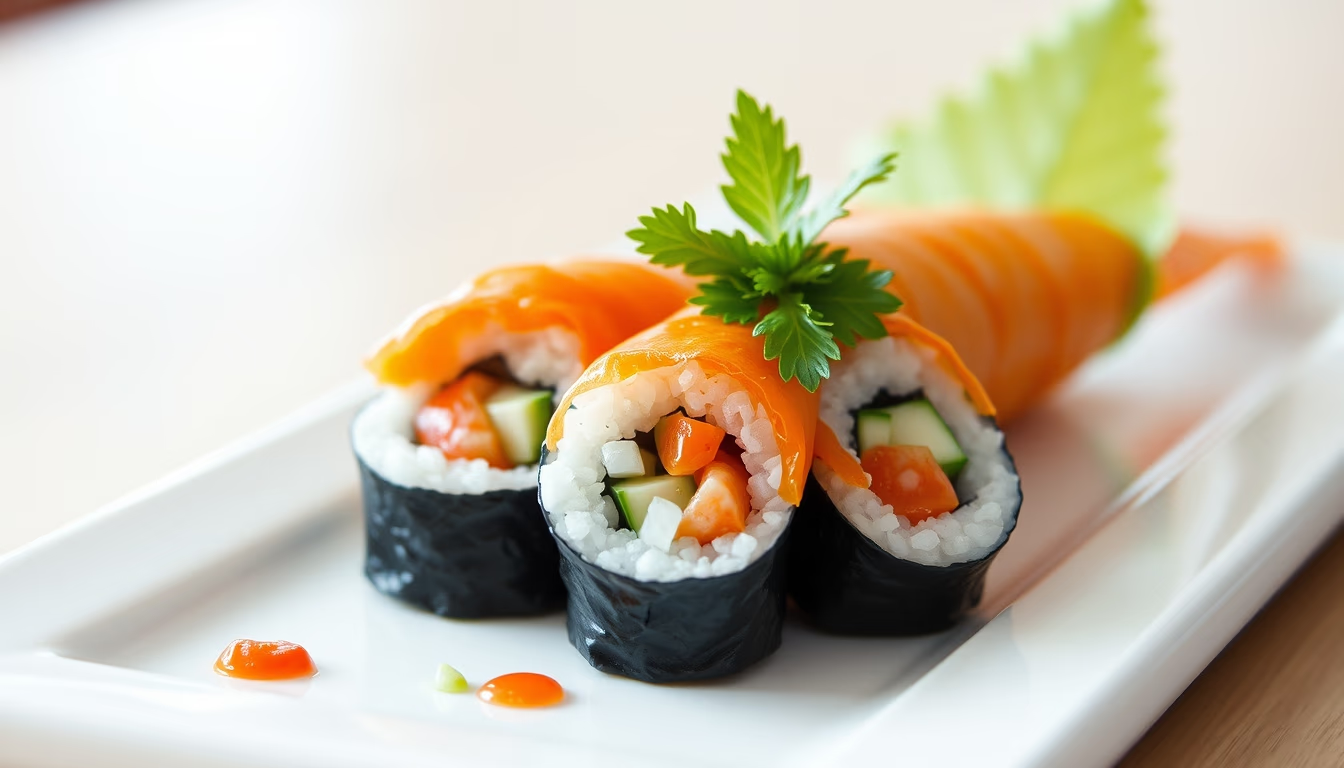
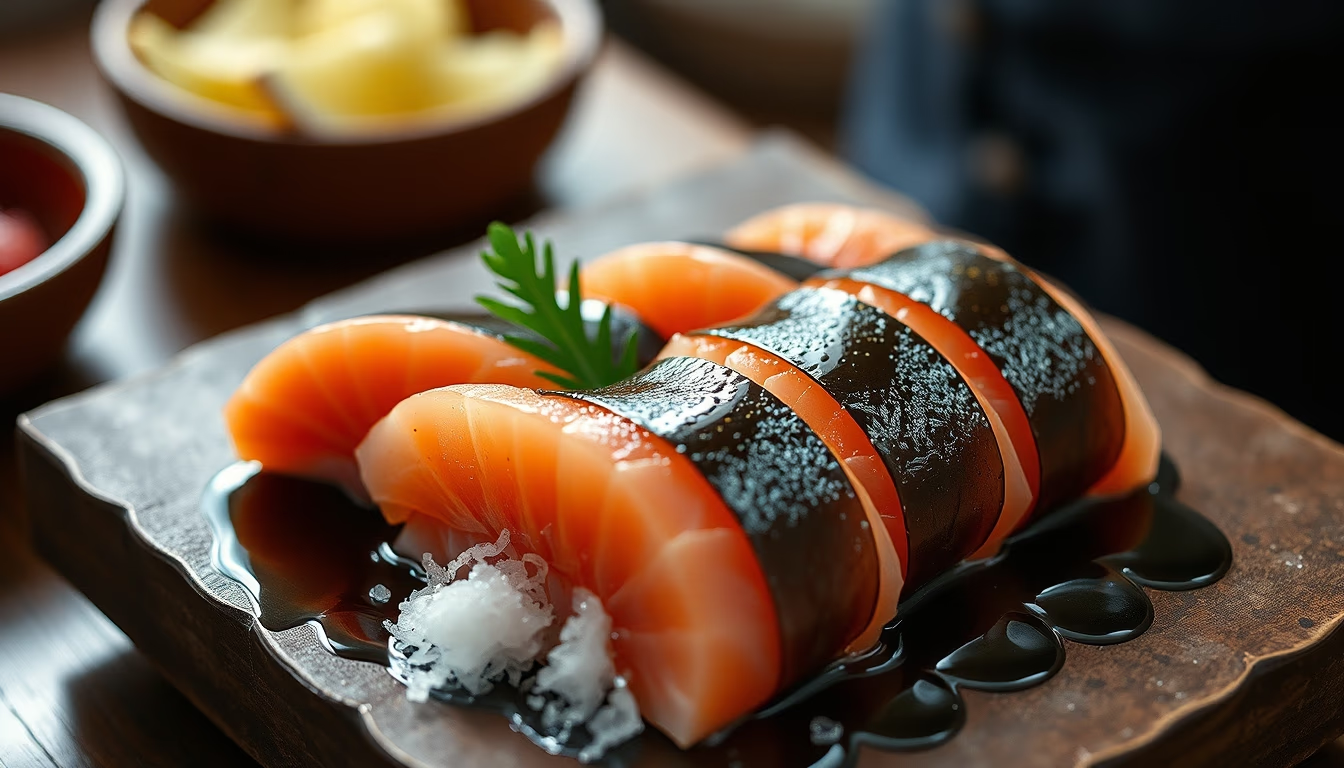
Sashimi is the art of slicing raw fish in Japan, served with traditional accompaniments like soy sauce, wasabi, and ginger.
About this subject
Sashimi, an iconic dish of Japanese cuisine, consists of raw fish or seafood sliced into thin pieces. Its origins trace back to the Heian period (794-1185), when fish was preserved in vinegar or salt, evolving into the current form using fresh fish. Cutting technique is fundamental: cuts like hira-zukuri (rectangular), usu-zukuri (paper-thin), and kaku-zukuri (cubes) enhance the texture and flavor of each species. Salmon, tuna, sea bass, and octopus are among the most common, but varieties include sea urchin, scallop, and mackerel.
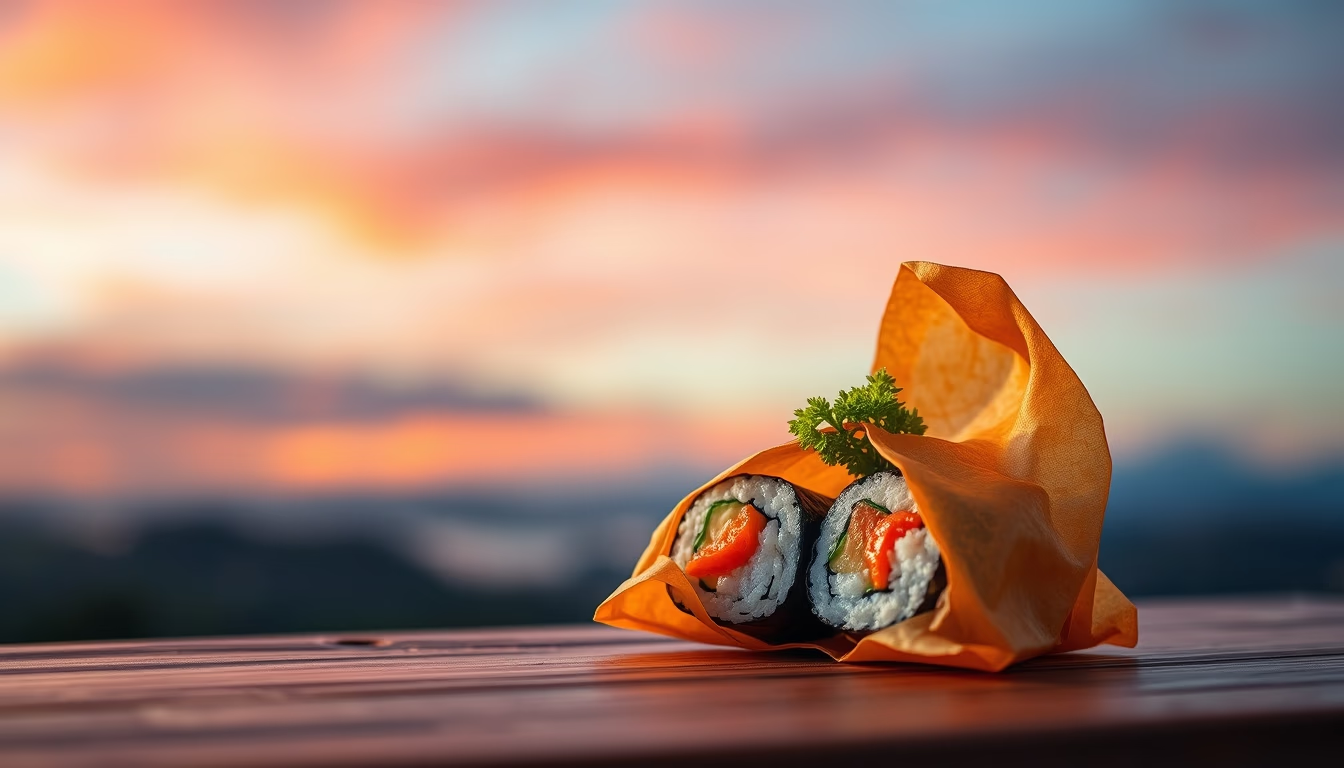
Sashimi presentation is an art form in Japan, influenced by the shokunin (artisan) concept and wabi-sabi aesthetics. Traditional dishes are garnished with tsuma (shredded vegetables like daikon and turnip), shiso (Perilla leaf), tosa-zu (citrus sauce), and kizami nori (shredded seaweed). Symmetrical or asymmetrical arrangement, vibrant colors, and visual harmony reflect respect for the ingredient. In contemporary settings, such as high-fashion editorials, sashimi is presented in minimalist or exuberant layouts, merging gastronomy and design.
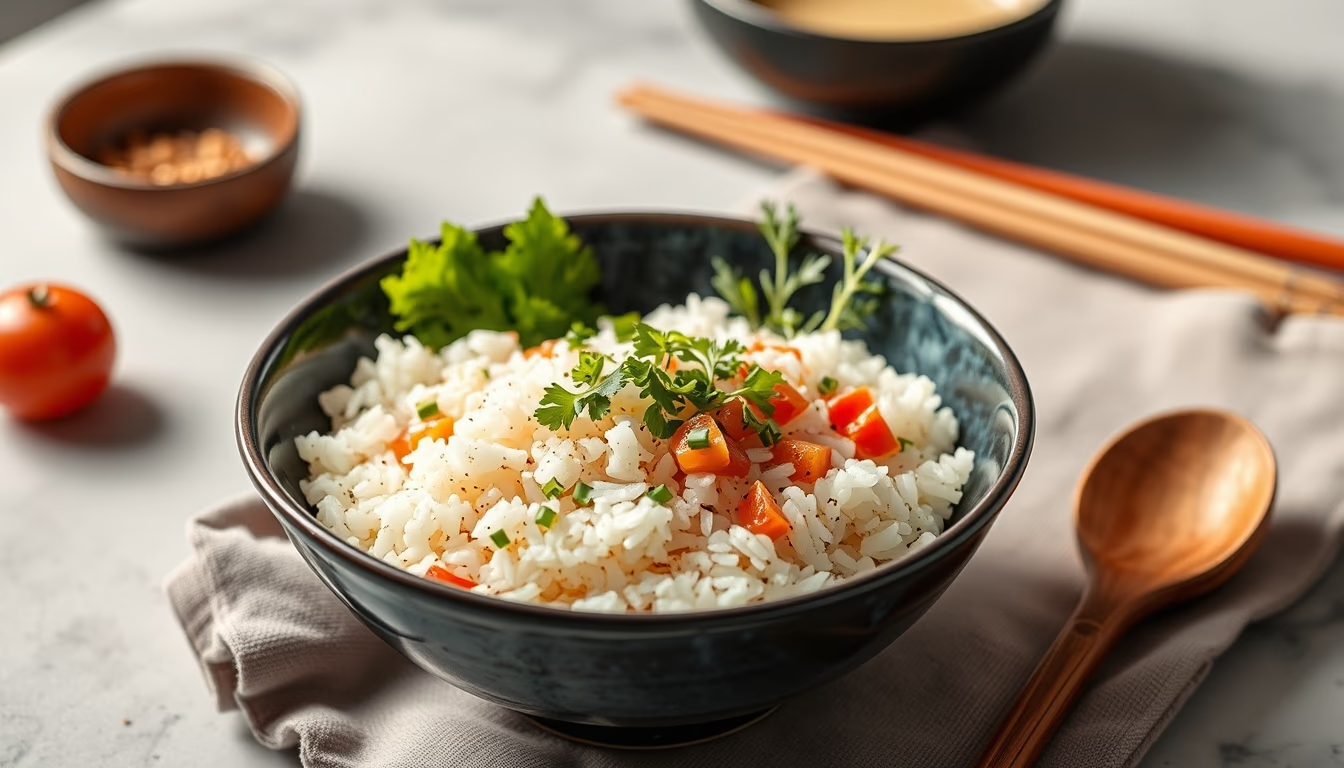
Culturally, sashimi is not just a meal but a sensory experience. The fish must be extremely fresh, often killed using ikejime (bleeding technique to preserve flavor and texture). It is consumed with shoyu (soy sauce), wasabi (Japanese horseradish), and pickled ginger (gari), which cleanse the palate between fish types. The ritual highlights the purity of flavors without interference from rice or other ingredients. Internationally, sashimi has become a symbol of Japanese cuisine, adapting to fusion with local ingredients while maintaining the essence of simplicity and freshness.
Frequently Asked Questions
What is the difference between sashimi and sushi?
Sashimi is raw fish sliced and served without rice. Sushi combines raw fish or other ingredients with vinegared rice.
Which fish are most commonly used for sashimi?
Tuna, salmon, sea bass, mackerel, octopus, and shrimp are common. Each has a specific cut to enhance texture and flavor.
Does sashimi need to be consumed immediately after preparation?
Yes, freshness is critical. The fish must be kept chilled and served soon after slicing to preserve flavor and safety.
Direct URL
https://pub-c7d6a6ea828543ac903a74a341ccb2e1.r2.dev/imagens/sashimi-presentation-high-fashion-editorial-fresh15.avifHow to credit
Include a visible link back to UtilizAí. Copy one of the snippets below:
<a href="https://xn--utiliza-eza.com/en/midia/imagens/sashimi-presentation-high-fashion-editorial-fresh15">Sashimi presentation</a> by <a href="https://xn--utiliza-eza.com">UtilizAí</a>, licensed under <a href="https://creativecommons.org/licenses/by/4.0/">CC BY 4.0</a>.
[Sashimi presentation](https://xn--utiliza-eza.com/en/midia/imagens/sashimi-presentation-high-fashion-editorial-fresh15) by [UtilizAí](https://xn--utiliza-eza.com), CC BY 4.0
License: CC-BY-4.0