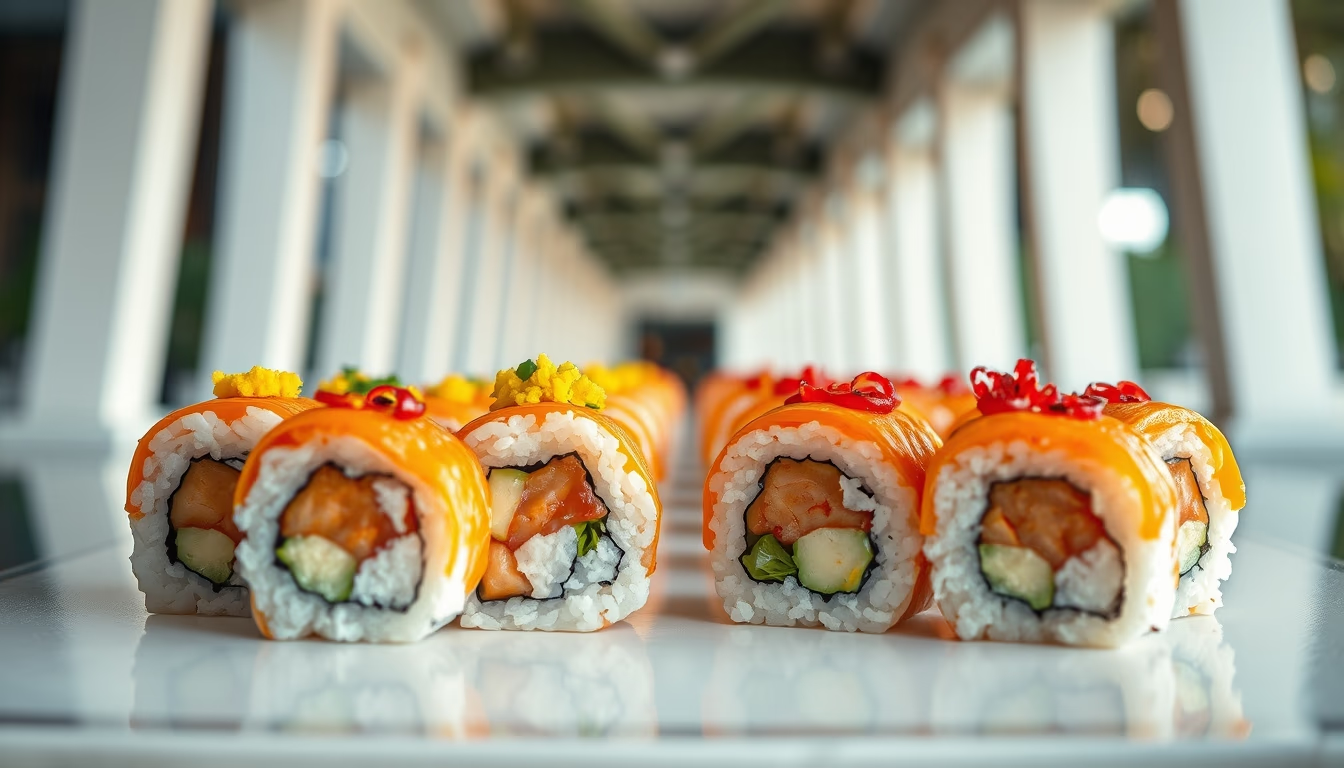
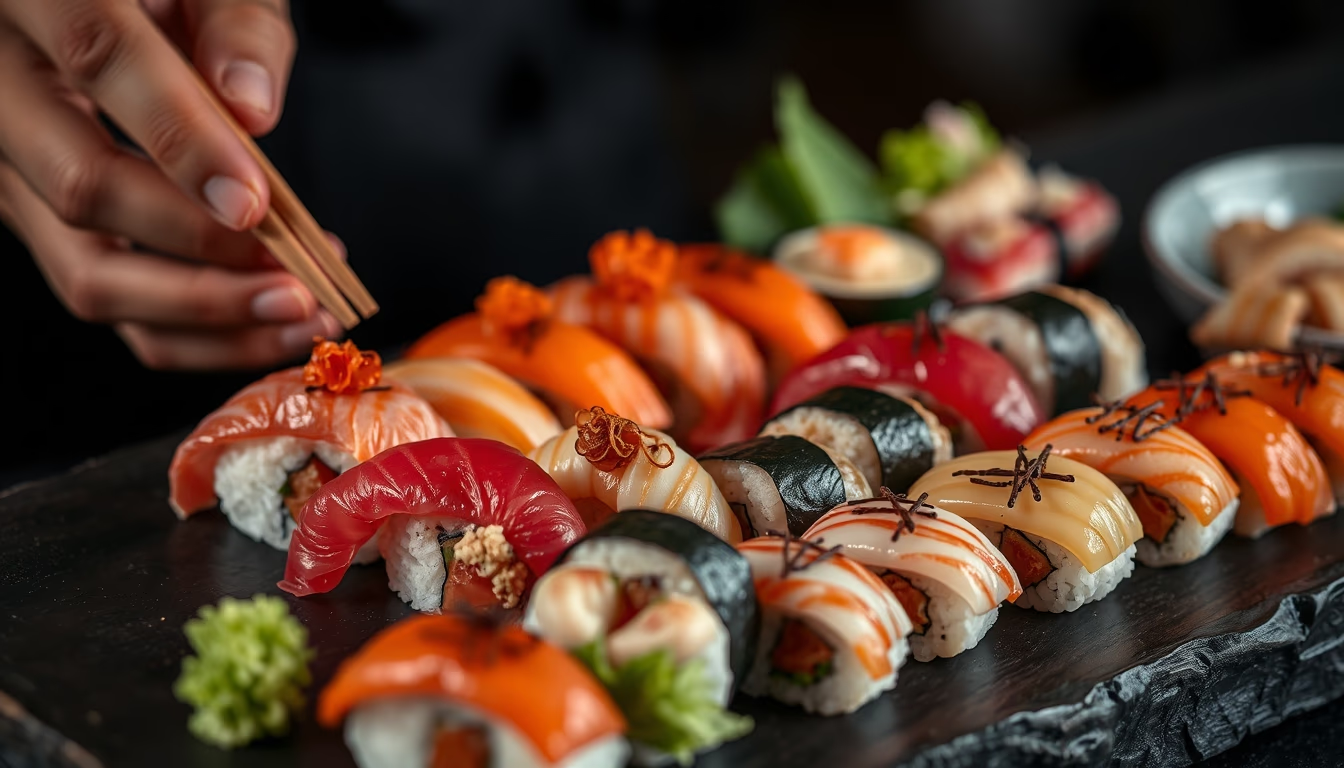
Sashimi presentation
1344×768 · AVIF · CC BY 4.0
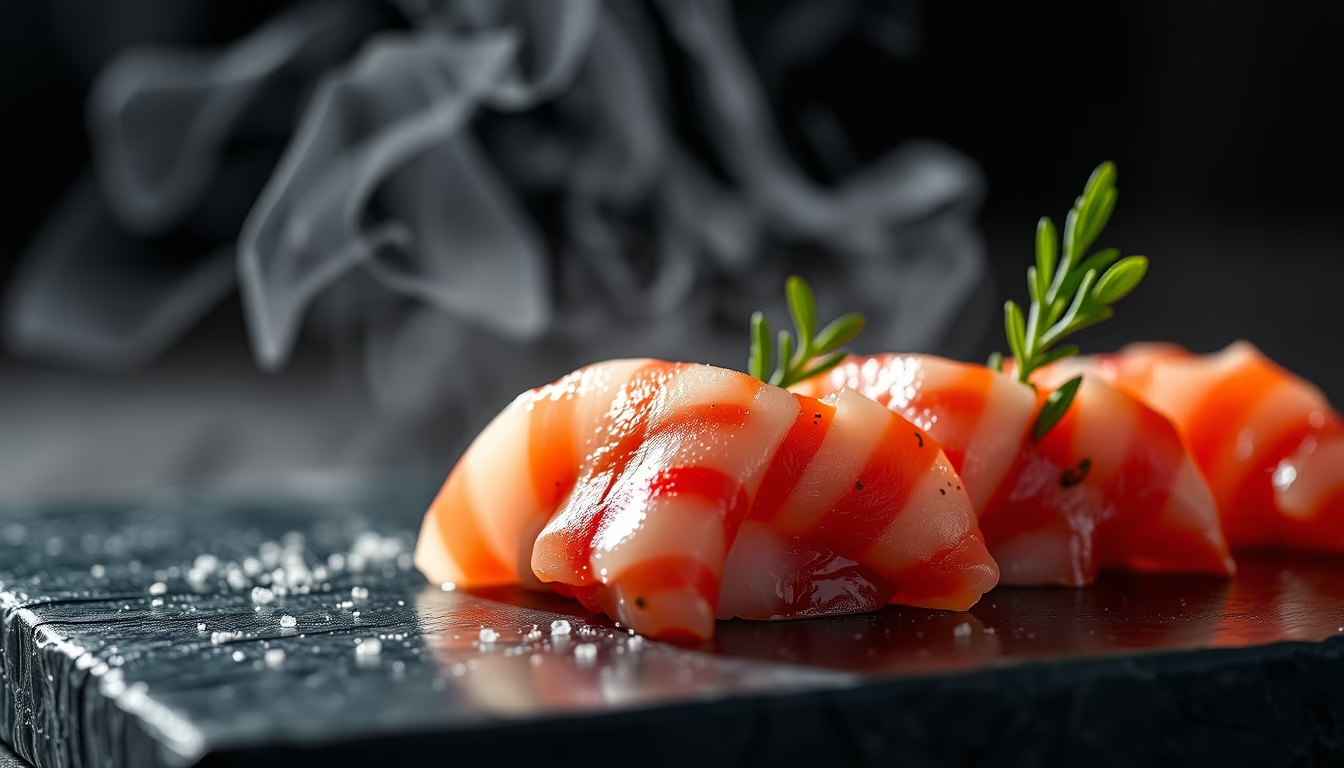
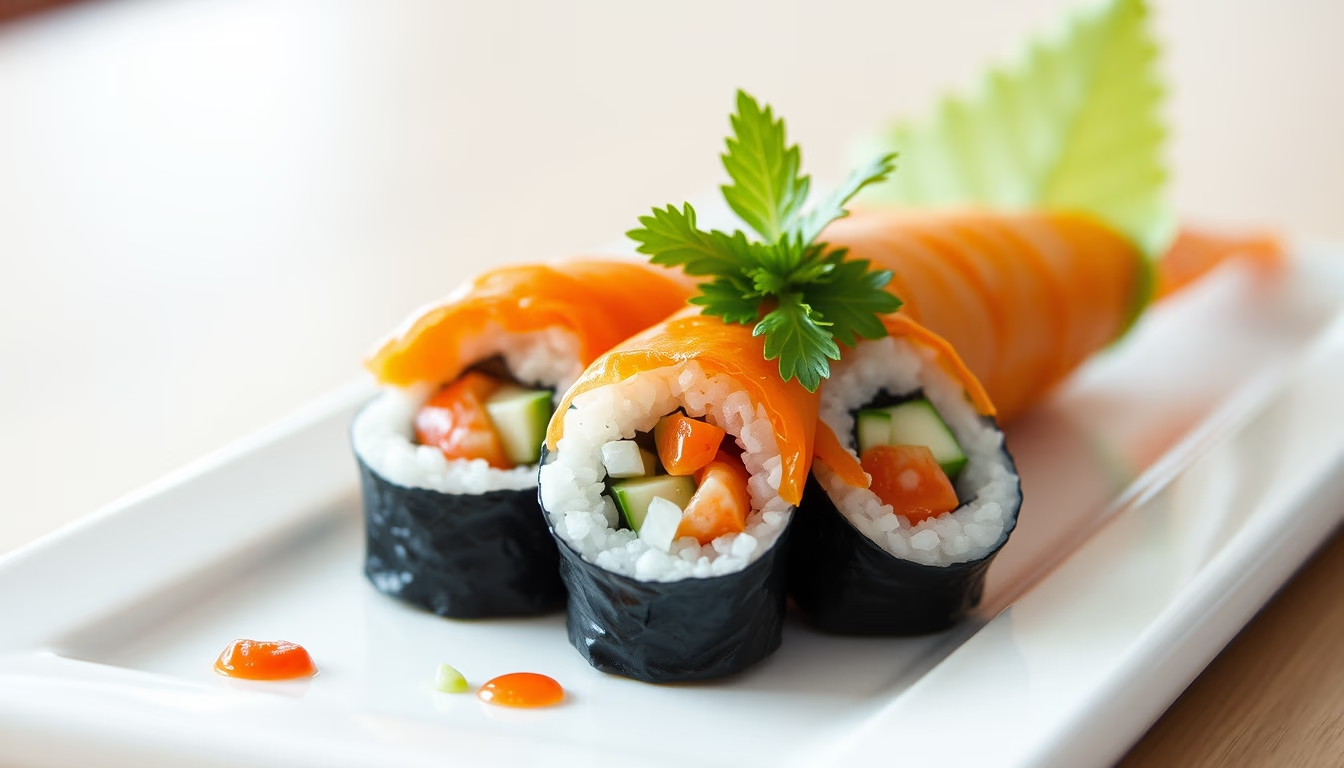
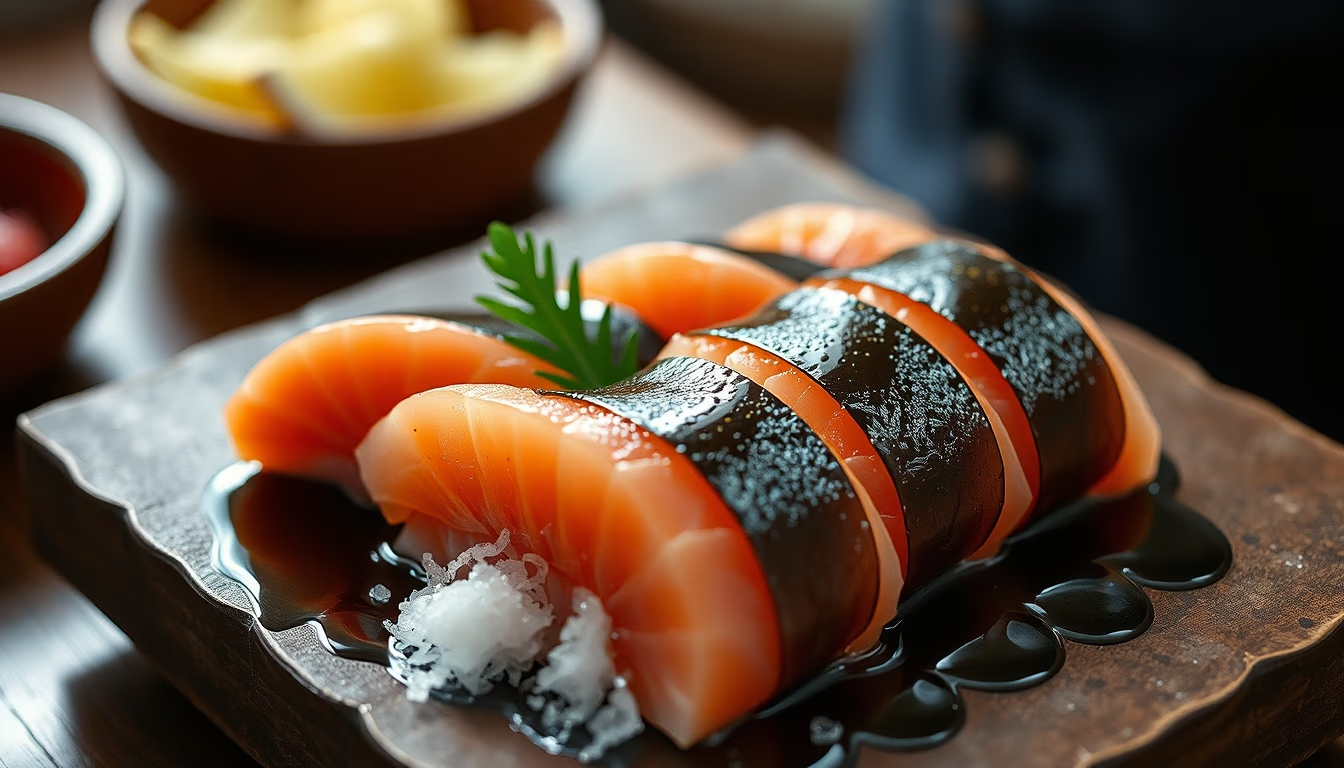
A sashimi presentation reveals the Japanese tradition of appreciating raw fish in thin slices, highlighting freshness and technique.
About this subject
Sashimi is a Japanese delicacy consisting of thin slices of raw fish or seafood, served without rice. Originating in Japan, it dates back to the Heian period (794-1185). Unlike sushi, sashimi emphasizes the purity of flavor and texture of the fish. Cutting technique is crucial: _sogigiri_ (diagonal cut) for fish like salmon or tuna, and _hikimori_ for more delicate fish. Common types include maguro (tuna), sake (salmon), and hamachi (yellowtail). Traditionally, it is served with soy sauce, wasabi, and pickled ginger (gari). Wasabi is not only for seasoning but has antimicrobial properties that protect against bacteria from raw fish. In Brazil, sashimi is popular in Japanese restaurants and Oriental buffets, adapted with local fish such as tilapia or grouper. Presentation, called _mors_ in Japanese, is an art that values freshness and the season. Sashimi demonstrates _umami_, the fifth basic taste, rich in free amino acids like inosine from fish. A curiosity: the ideal fish for sashimi is one that has never been frozen to avoid texture changes, but today ultra-low temperature freezing is used to kill parasites. Sashimi consumption in Brazil has grown by 30% in recent years according to industry data.
Frequently Asked Questions
What is the difference between sashimi and sushi?
Sashimi is sliced raw fish served without rice, while sushi combines raw fish or other ingredients with vinegared rice. Sashimi focuses on the purity of the fish, sushi on harmony with the rice.
What are the most common types of fish for sashimi?
The most common are tuna (maguro), salmon (sake), yellowtail (hamachi), sea bass (suzuki), and octopus (tako). In Brazil, tilapia, grouper, and salmon are also used.
How should sashimi be served?
It is usually served on a plate with soy sauce, wasabi, and pickled ginger (gari). Wasabi can be mixed into the soy sauce or placed directly on the fish. It should be eaten fresh.
Direct URL
https://pub-c7d6a6ea828543ac903a74a341ccb2e1.r2.dev/imagens/sashimi-presentation-fine-art-photography-fresh11.avifHow to credit
Include a visible link back to UtilizAí. Copy one of the snippets below:
<a href="https://xn--utiliza-eza.com/en/midia/imagens/sashimi-presentation-fine-art-photography-fresh11">Sashimi presentation</a> by <a href="https://xn--utiliza-eza.com">UtilizAí</a>, licensed under <a href="https://creativecommons.org/licenses/by/4.0/">CC BY 4.0</a>.
[Sashimi presentation](https://xn--utiliza-eza.com/en/midia/imagens/sashimi-presentation-fine-art-photography-fresh11) by [UtilizAí](https://xn--utiliza-eza.com), CC BY 4.0
License: CC-BY-4.0