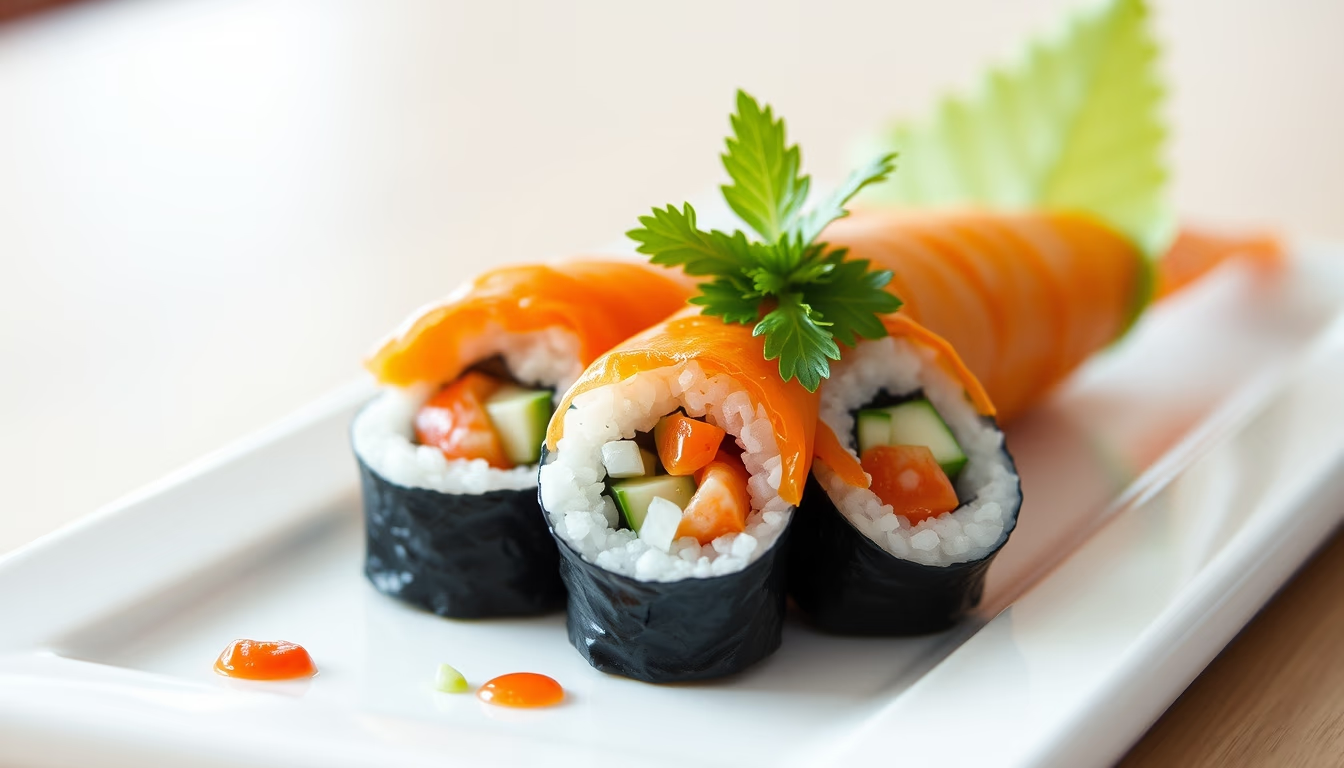
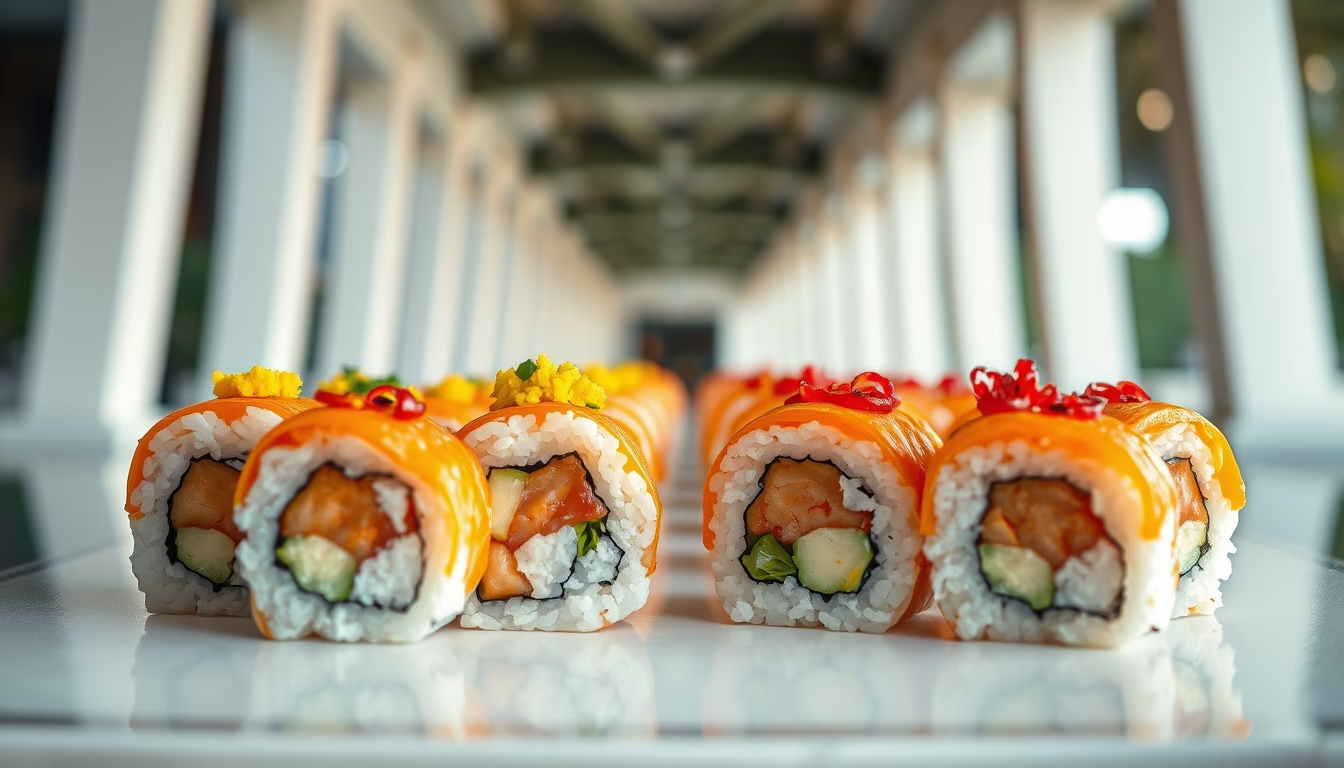
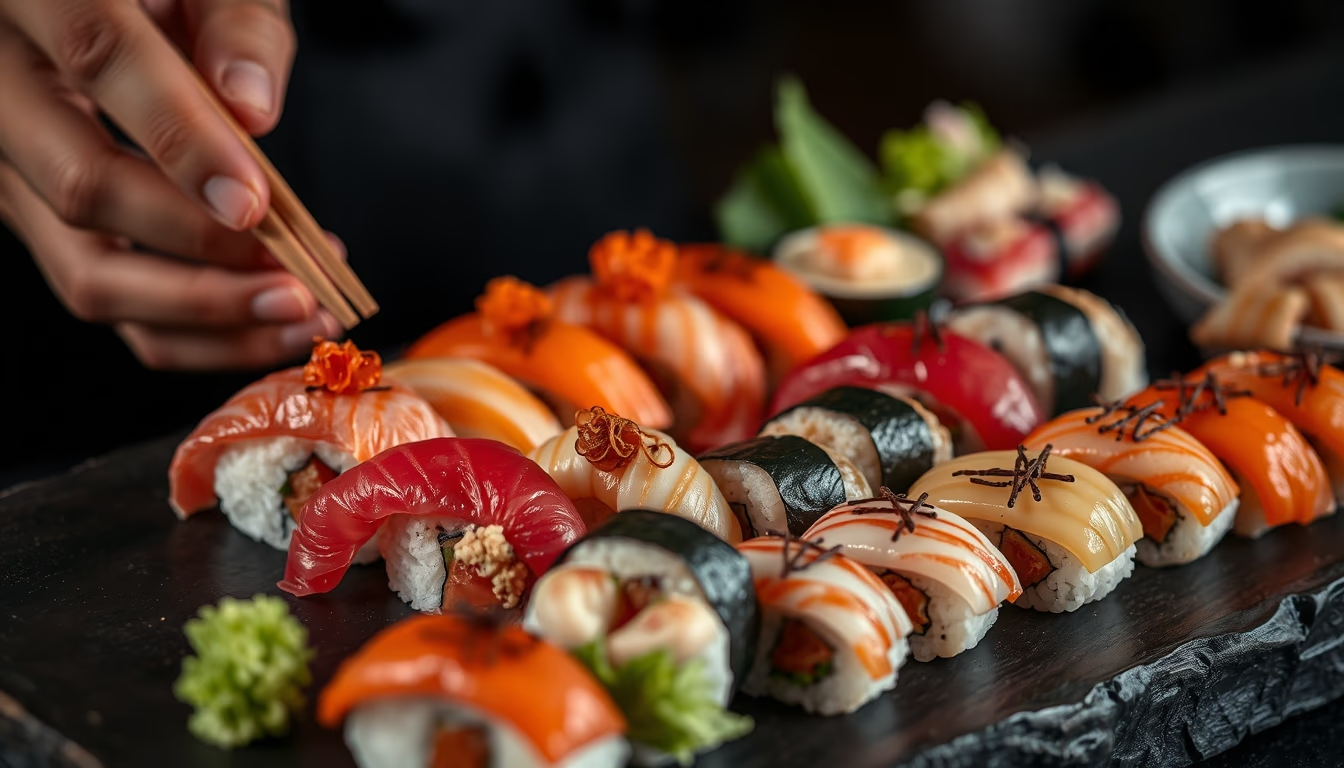
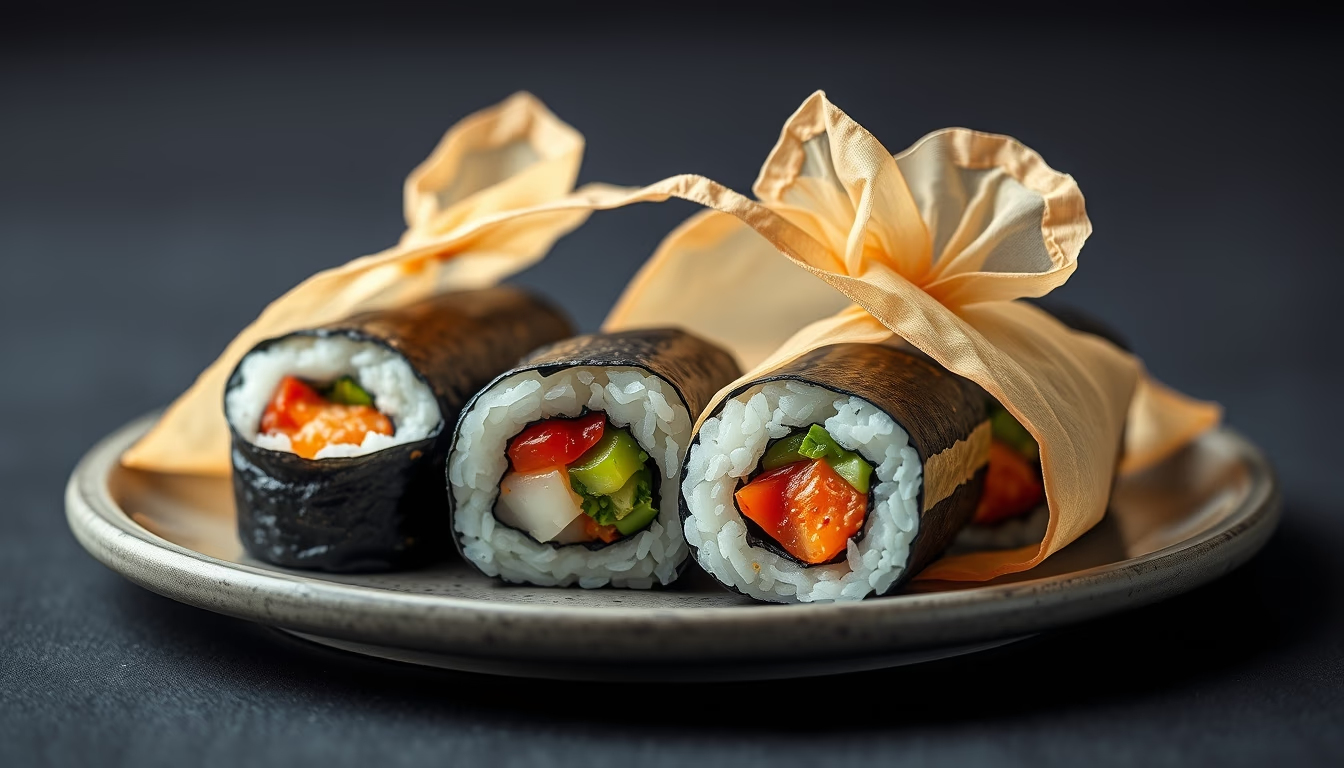
Sashimi presentation
1344×768 · AVIF · CC BY 4.0
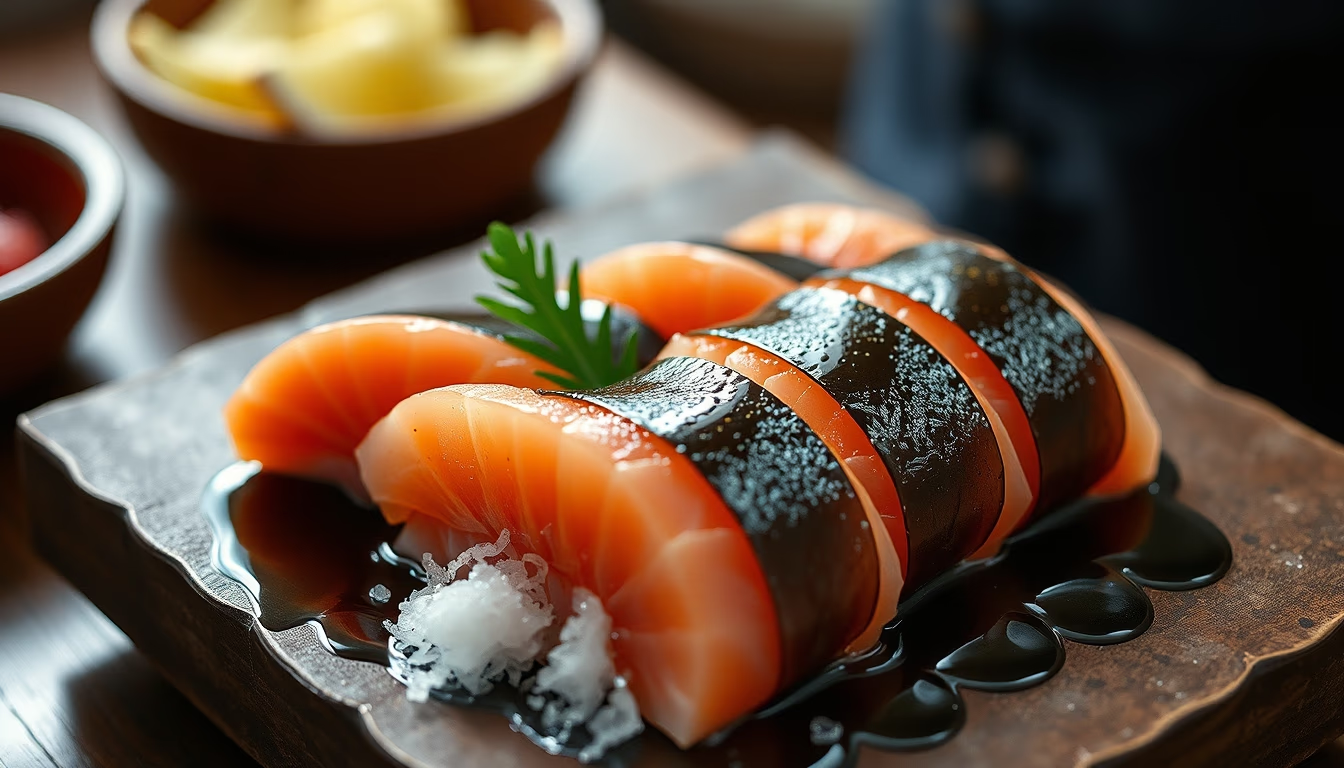
Sashimi is a Japanese delicacy of extremely fresh raw fish sliced with precision, highlighting the natural texture and flavor of the ingredient.
About this subject
Sashimi is one of the purest expressions of Japanese cuisine, where the quality of the fish and the chef's skill are the determining factors. Unlike sushi, sashimi is not served with rice, only with accompaniments like soy sauce, wasabi, and pickled ginger. The cutting technique is fundamental: cuts such as hira-zukuri (rectangular), usu-zukuri (thin), and kaku-zukuri (cubic) require specialized knives like the yanagiba and years of practice.
The choice of fish is governed by seasonality and freshness. Species like salmon, tuna (maguro), sea bass (suzuki), and yellowtail (hamachi) are common, but each has an ideal consumption period. In Japan, the concept of 'shun' defines the seasonal peak of flavor. Sashimi is also appreciated in other countries, especially Brazil, where Japanese immigration popularized the dish in restaurants and open-air markets.
Historically, sashimi dates back to the Heian period (794-1185), when raw fish was served at the imperial court. The word 'sashimi' means 'pierced flesh,' referring to the act of identifying the fish with a piece of its skin or bone. Today, the dish is a symbol of minimalist gastronomy, requiring the highest quality ingredients. Preparation also involves presentation on plates that enhance colors and textures, such as traditional Japanese ceramics.
Interestingly, sashimi is not limited to fish: it includes seafood such as octopus (tako), squid (ika), and shrimp (ebi), as well as meats like wagyu or chicken liver (reba). Each type requires a specific cut and seasoning. Food safety is a priority: fish must be frozen at very low temperatures to eliminate parasites, according to health regulations.
Frequently Asked Questions
What is the difference between sashimi and sushi?
Sashimi is raw fish sliced and served without rice, while sushi combines fish or other ingredients with vinegared rice. Sashimi focuses solely on the quality of the fish and the cut.
What are the most common sashimi cuts?
The main cuts are hira-zukuri (rectangular and wide), usu-zukuri (very thin slices, ideal for delicate fish), and kaku-zukuri (cubic, used for octopus or squid).
Can sashimi be made with any fish?
No. It requires extremely fresh fish suitable for raw consumption. Common species include salmon, tuna, sea bass, and yellowtail. Freshwater fish are generally not recommended due to parasite risk.
Direct URL
https://pub-c7d6a6ea828543ac903a74a341ccb2e1.r2.dev/imagens/sashimi-presentation-film-grain-authentic-fresh17.avifHow to credit
Include a visible link back to UtilizAí. Copy one of the snippets below:
<a href="https://xn--utiliza-eza.com/en/midia/imagens/sashimi-presentation-film-grain-authentic-fresh17">Sashimi presentation</a> by <a href="https://xn--utiliza-eza.com">UtilizAí</a>, licensed under <a href="https://creativecommons.org/licenses/by/4.0/">CC BY 4.0</a>.
[Sashimi presentation](https://xn--utiliza-eza.com/en/midia/imagens/sashimi-presentation-film-grain-authentic-fresh17) by [UtilizAí](https://xn--utiliza-eza.com), CC BY 4.0
License: CC-BY-4.0