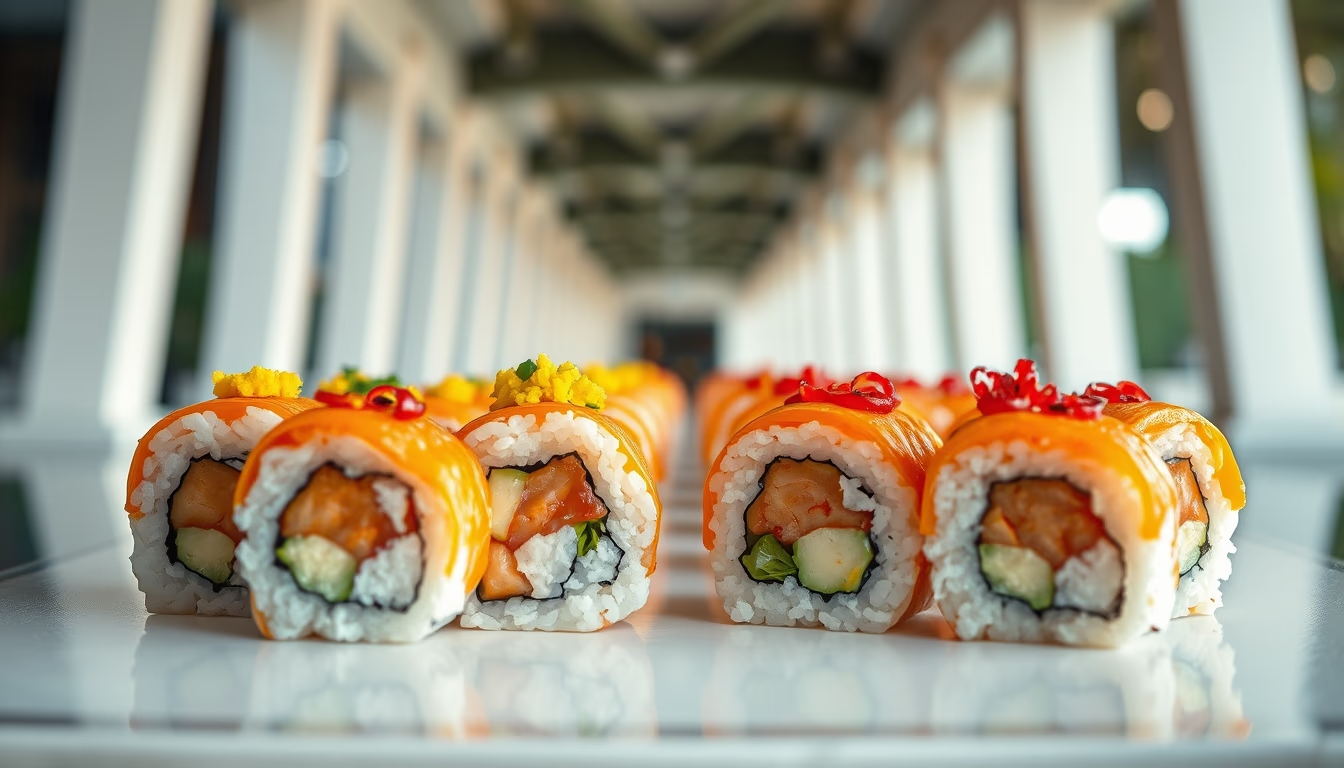
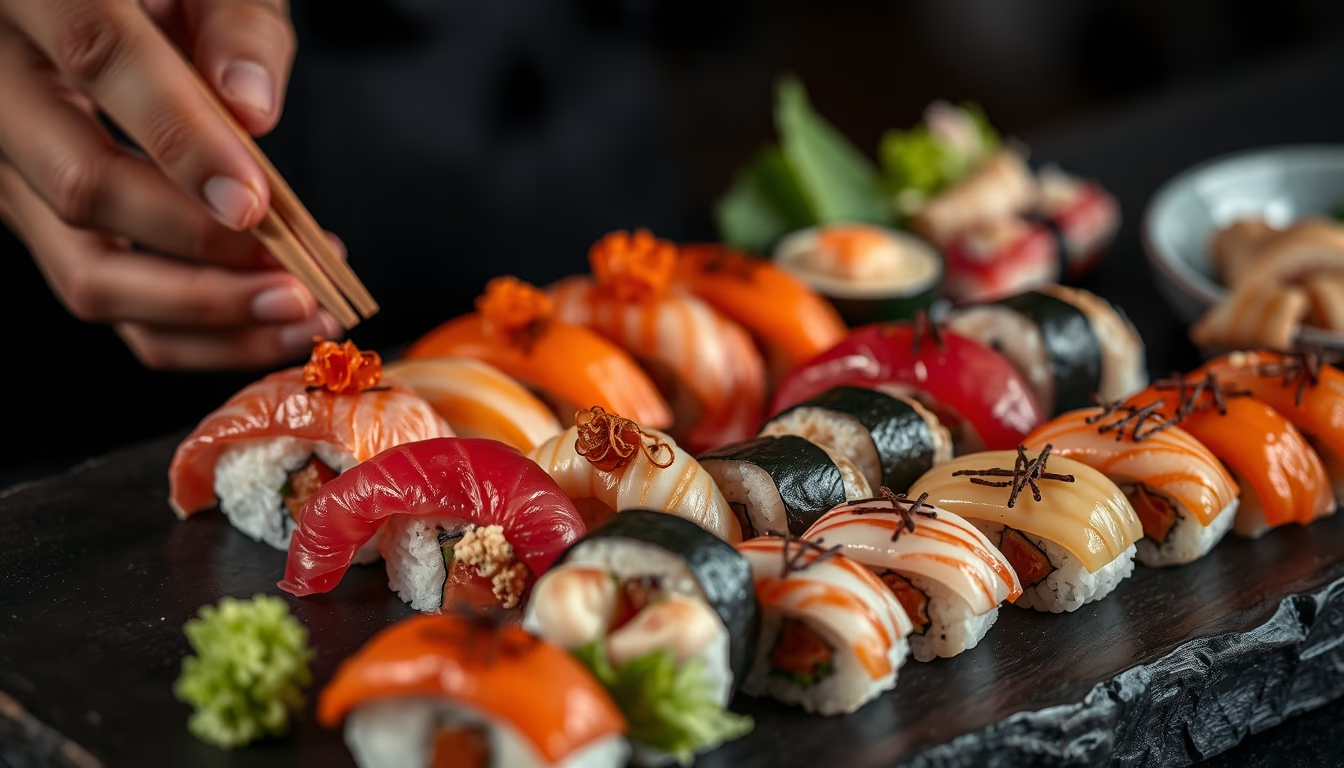
Sashimi presentation
1344×768 · AVIF · CC BY 4.0
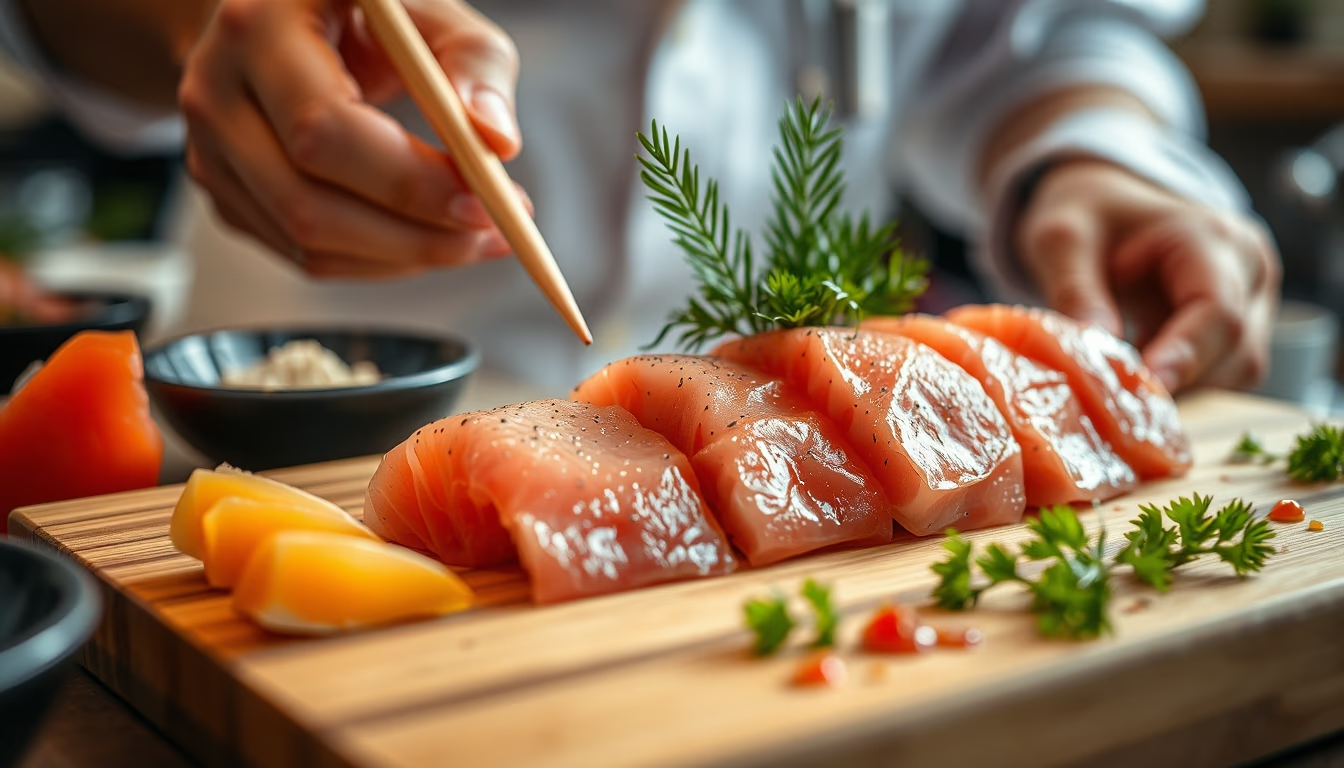
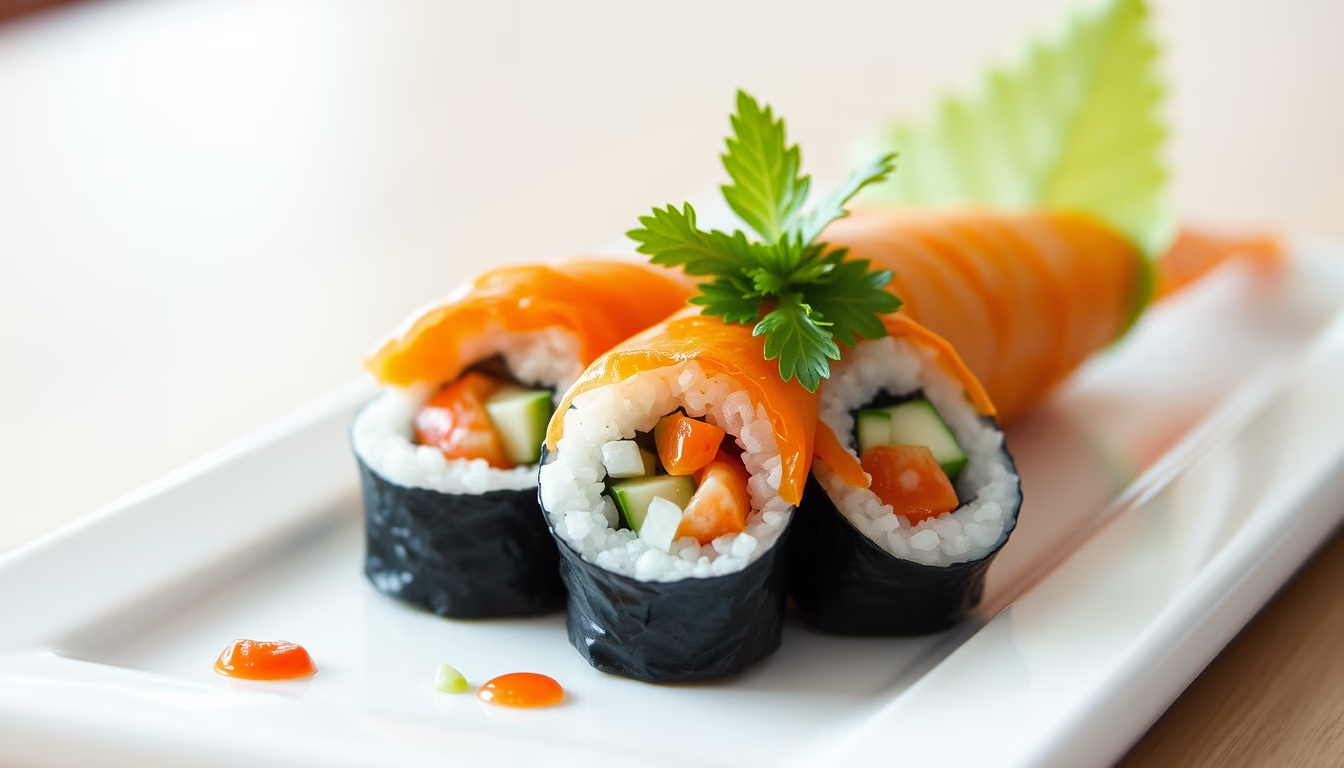
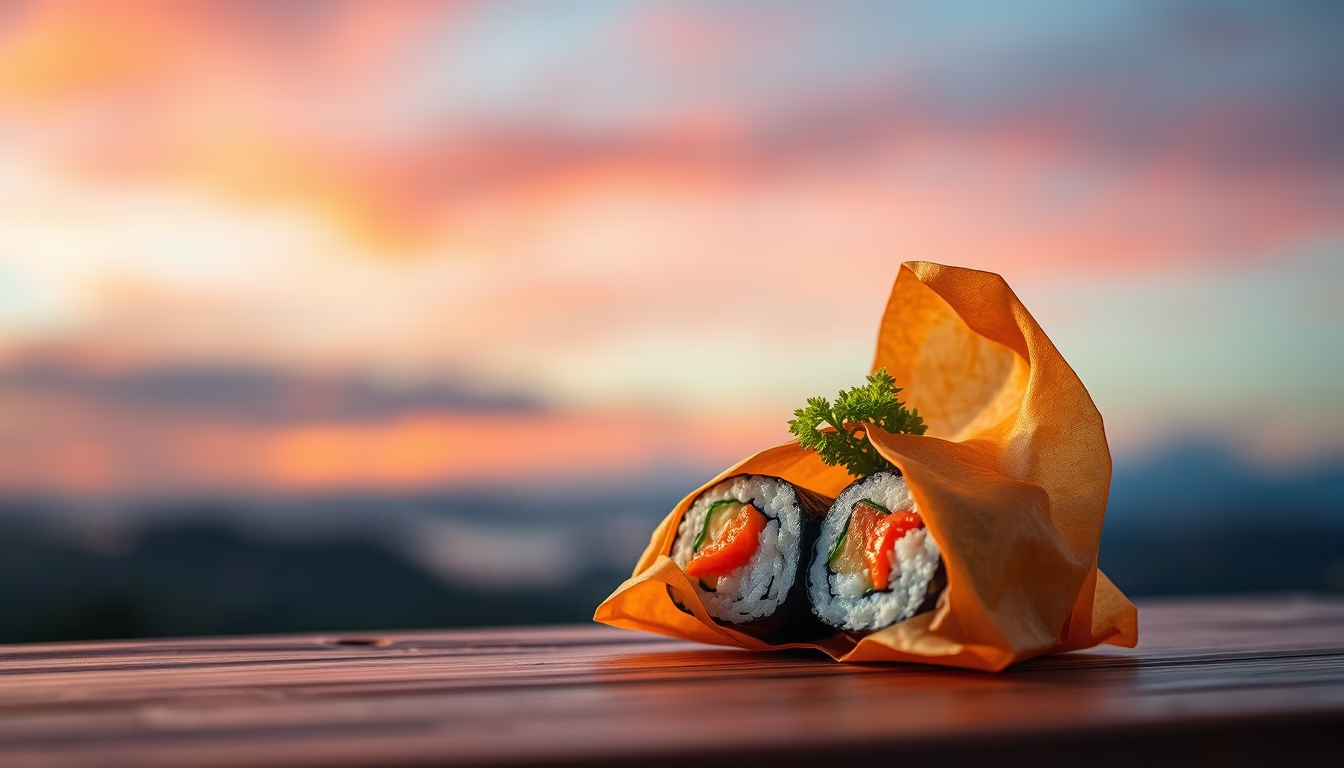
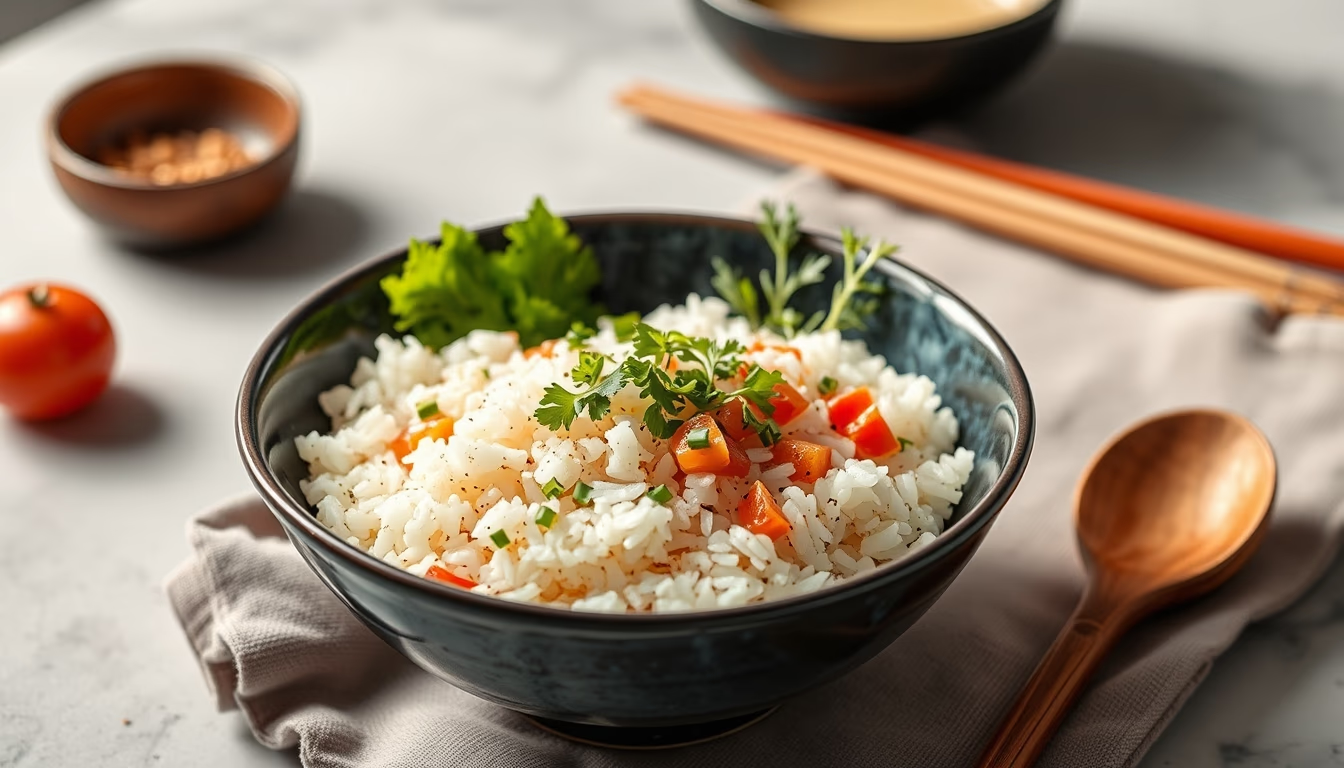
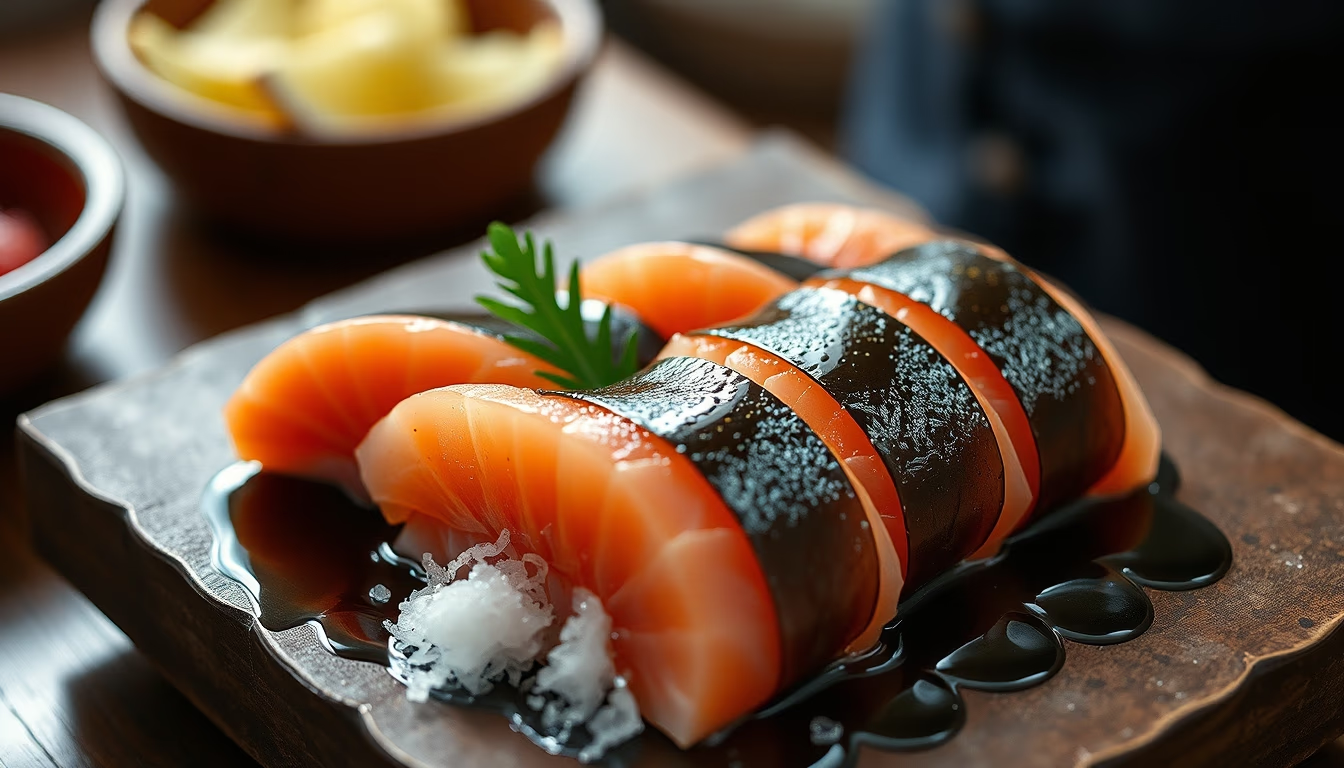
Sashimi is the art of slicing raw fish, emphasizing freshness and precise presentation.
About this subject
Sashimi, a cornerstone of Japanese cuisine, consists of slices of raw fish served without rice. Freshness is paramount: fish such as salmon, tuna, and sea bass are used immediately after catch, often kept on ice or in live tanks. The cutting technique, called sōgiri, varies by fish type: thin, straight slices for lean fish, thicker, angled cuts for fatty fish like toro (tuna belly). Each sushi master (itamae) trains for years to master the blade and pressure, as the cut directly influences texture and flavor.
Historically, sashimi dates to the Muromachi period (14th century), emerging as a way to enjoy raw fish without the vinegared rice of sushi. Presentation follows washoku (traditional Japanese cuisine) aesthetics: simplicity, balance, and seasonality. Garnishes like shiso (herb), grated daikon, ginger, and wasabi do not just decorate; they cleanse the palate and enhance flavor. The arrangement on the plate follows asymmetry and contrasting colors, such as red tuna against white daikon.
Sashimi is served with shoyu and wasabi, but purists avoid excess to not mask the natural taste. Globalization has popularized variations like Japanese ceviche (with citrus) or sashimi seasoned with olive oil and salt. High-end restaurants display whole fish on ice and slice tableside, reinforcing trust in provenance. The technique also extends to seafood like octopus, squid, and sea urchin, each with specific cuts.
Trivia: the word 'sashimi' means 'pierced meat' (sashi = pierce, mi = meat), referencing the old practice of skewering the fish tail to identify the species. Even today, in formal presentations, a piece of skin or a fin may accompany the dish to confirm the type of fish served.
Frequently Asked Questions
What is the difference between sashimi and sushi?
Sashimi is just raw fish sliced, without rice. Sushi combines raw fish or other ingredients with vinegared rice. They are often served together but are distinct preparations.
Which fish is most commonly used in sashimi?
The most common are tuna (maguro), salmon (sake), sea bass (suzuki), and shrimp (ebi). Fatty tuna (toro) is considered a delicacy. Each fish requires a specific cut to enhance its texture.
What does sashimi presentation signify?
Presentation follows Japanese aesthetics of simplicity and seasonality. Slices are arranged in order of increasing flavor, with garnishes that cleanse the palate. The beauty of the dish reflects respect for the ingredient and culinary tradition.
Direct URL
https://pub-c7d6a6ea828543ac903a74a341ccb2e1.r2.dev/imagens/sashimi-presentation-documentary-photography-fresh5.avifHow to credit
Include a visible link back to UtilizAí. Copy one of the snippets below:
<a href="https://xn--utiliza-eza.com/en/midia/imagens/sashimi-presentation-documentary-photography-fresh5">Sashimi presentation</a> by <a href="https://xn--utiliza-eza.com">UtilizAí</a>, licensed under <a href="https://creativecommons.org/licenses/by/4.0/">CC BY 4.0</a>.
[Sashimi presentation](https://xn--utiliza-eza.com/en/midia/imagens/sashimi-presentation-documentary-photography-fresh5) by [UtilizAí](https://xn--utiliza-eza.com), CC BY 4.0
License: CC-BY-4.0