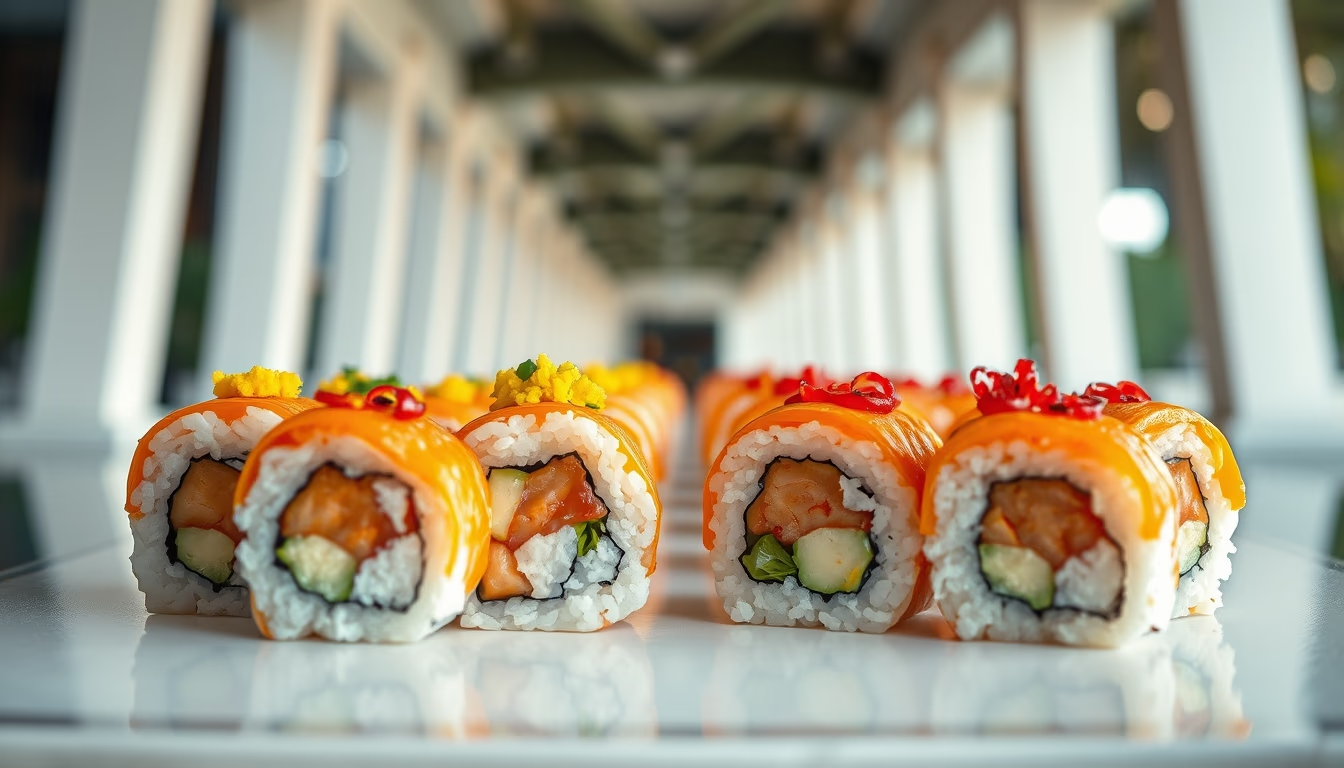
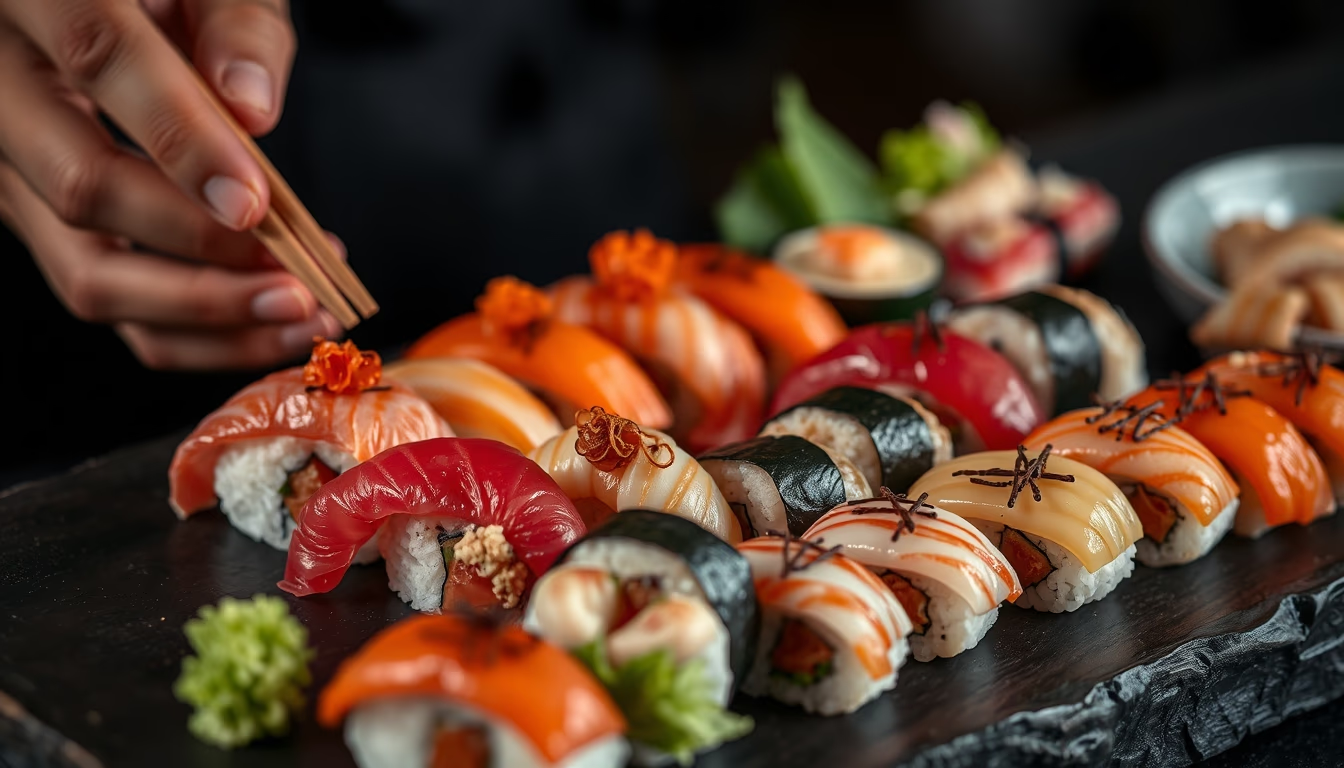
Sashimi presentation
1344×768 · AVIF · CC BY 4.0
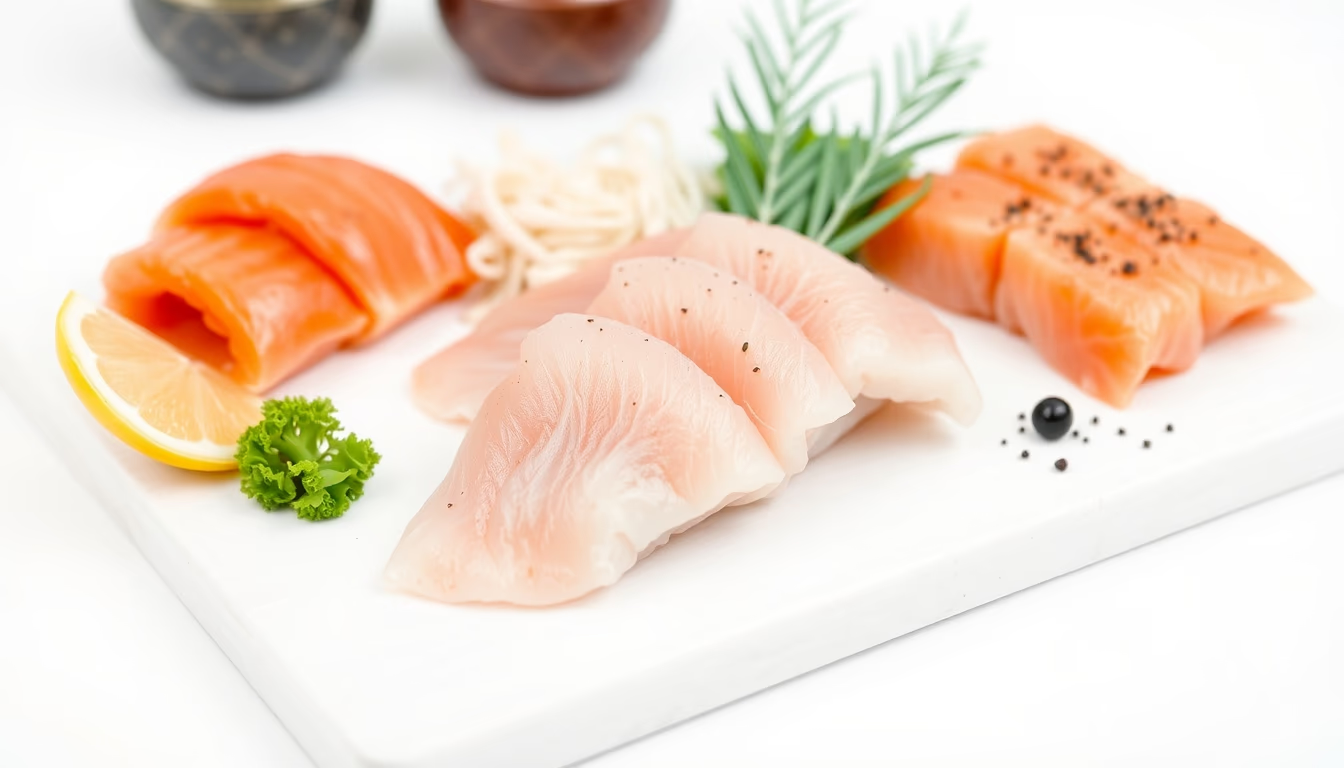
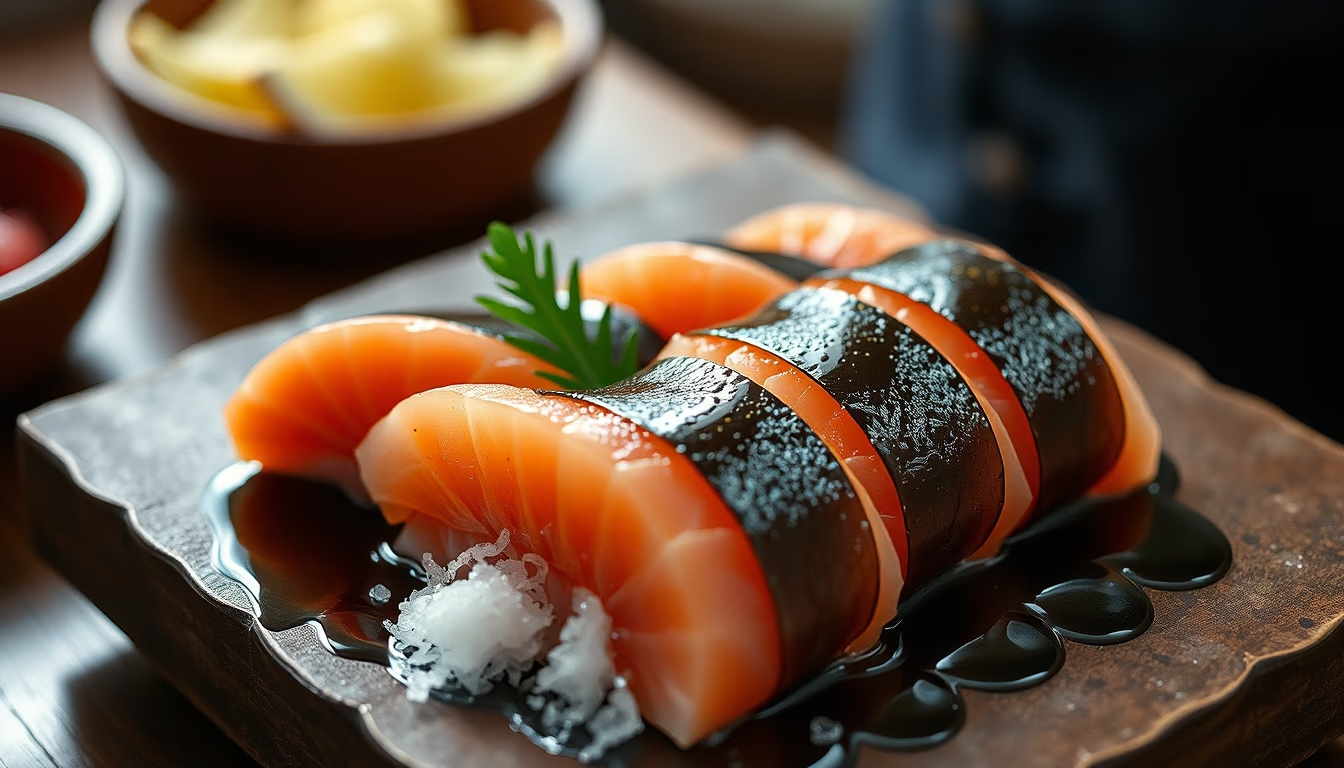
Sashimi is a Japanese delicacy of thinly sliced raw fish, prized for its freshness and texture, served without rice.
About this subject
Sashimi is a Japanese delicacy consisting of thinly sliced raw fish, prized for its freshness and texture. Unlike sushi, it is served without rice, allowing the pure flavor of the fish to shine. Slices are cut to specific sizes and thicknesses depending on the fish type, using techniques like hira-zukuri (rectangular) for tuna or usu-zukuri (thin) for flounder. Common fish varieties include salmon, tuna, sea bass, and yellowtail.
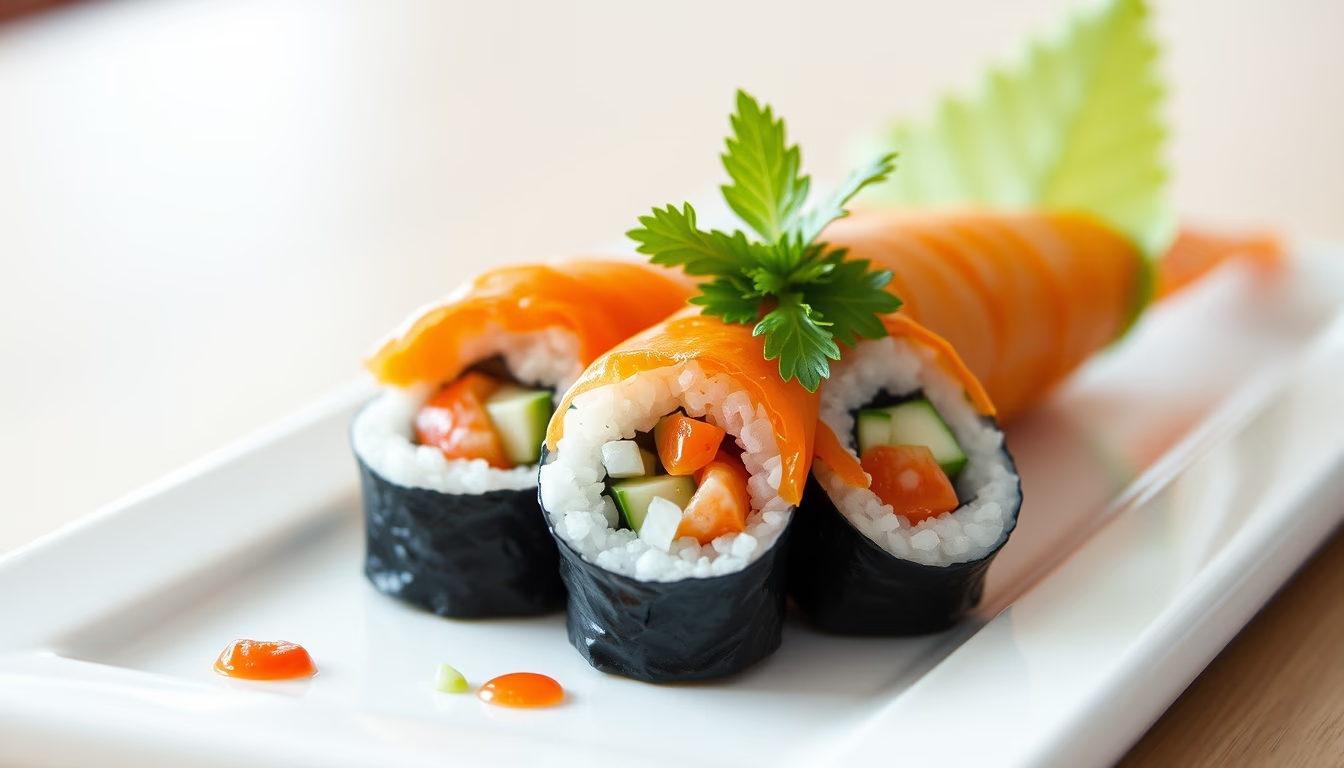
Presentation of sashimi is an art form in Japan. Slices are arranged on plates often garnished with shredded daikon, shiso leaves, and seaweed, creating visual harmony. Accompaniments like soy sauce, wasabi, and pickled ginger are served on the side to enhance flavors. The choice of plate matters, with traditional ceramics that elevate the aesthetic arrangement.
Sashimi has a history dating back to the Heian period (794-1185), where fish was cut and served raw. Today, it is a global symbol of Japanese cuisine, found in high-end restaurants and even supermarkets. The fish must be sushi-grade, meaning it is safe for raw consumption, often frozen to kill parasites. In countries like Brazil, sushi bars and rodízios have popularized sashimi, sometimes adapted with local ingredients.
The term sashimi literally means 'pierced fish', referring to the ancient practice of identifying the fish by its tail and cutting technique. The skill of the itamae (chef) is crucial, as the cut directly affects texture and flavor. Sashimi can be served as an appetizer or main course and continues to rise in popularity due to its healthy, protein-rich profile.
Frequently Asked Questions
What is the difference between sashimi and sushi?
Sashimi consists solely of sliced raw fish without rice, while sushi combines fish with seasoned rice (shari). Sashimi highlights the fish's texture and freshness without other ingredients.
How to choose fish for sashimi?
The fish must be very fresh and sushi-grade, meaning it is safe for raw consumption. It should be stored properly and often frozen to kill parasites, following food safety guidelines.
What are the main types of sashimi cuts?
Common cuts include hira-zukuri (rectangular, for tuna), usu-zukuri (thin, for flounder), ito-zukuri (thread-like, for octopus), and kaku-zukuri (cubic, for lean fish). Each cut enhances specific qualities of the fish.
Direct URL
https://pub-c7d6a6ea828543ac903a74a341ccb2e1.r2.dev/imagens/sashimi-presentation-commercial-product-photography-fresh13.avifHow to credit
Include a visible link back to UtilizAí. Copy one of the snippets below:
<a href="https://xn--utiliza-eza.com/en/midia/imagens/sashimi-presentation-commercial-product-photography-fresh13">Sashimi presentation</a> by <a href="https://xn--utiliza-eza.com">UtilizAí</a>, licensed under <a href="https://creativecommons.org/licenses/by/4.0/">CC BY 4.0</a>.
[Sashimi presentation](https://xn--utiliza-eza.com/en/midia/imagens/sashimi-presentation-commercial-product-photography-fresh13) by [UtilizAí](https://xn--utiliza-eza.com), CC BY 4.0
License: CC-BY-4.0