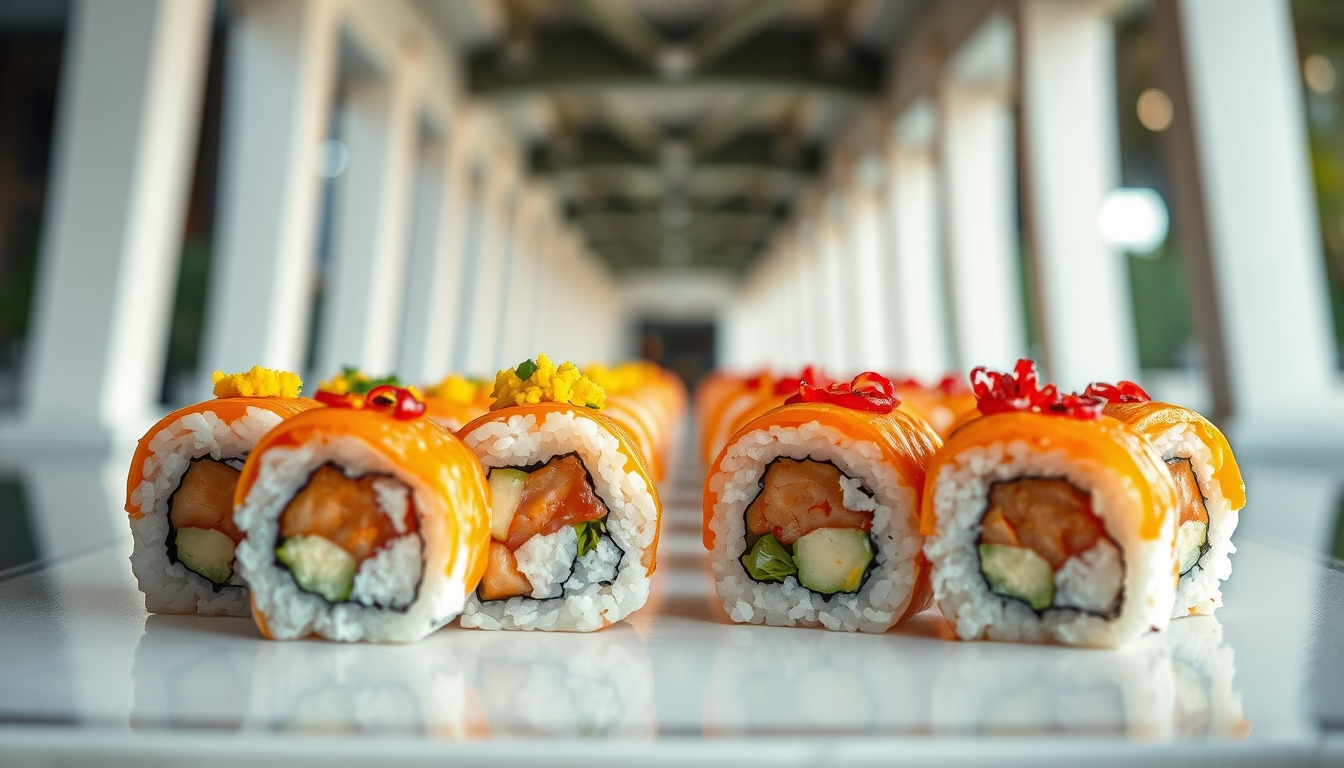
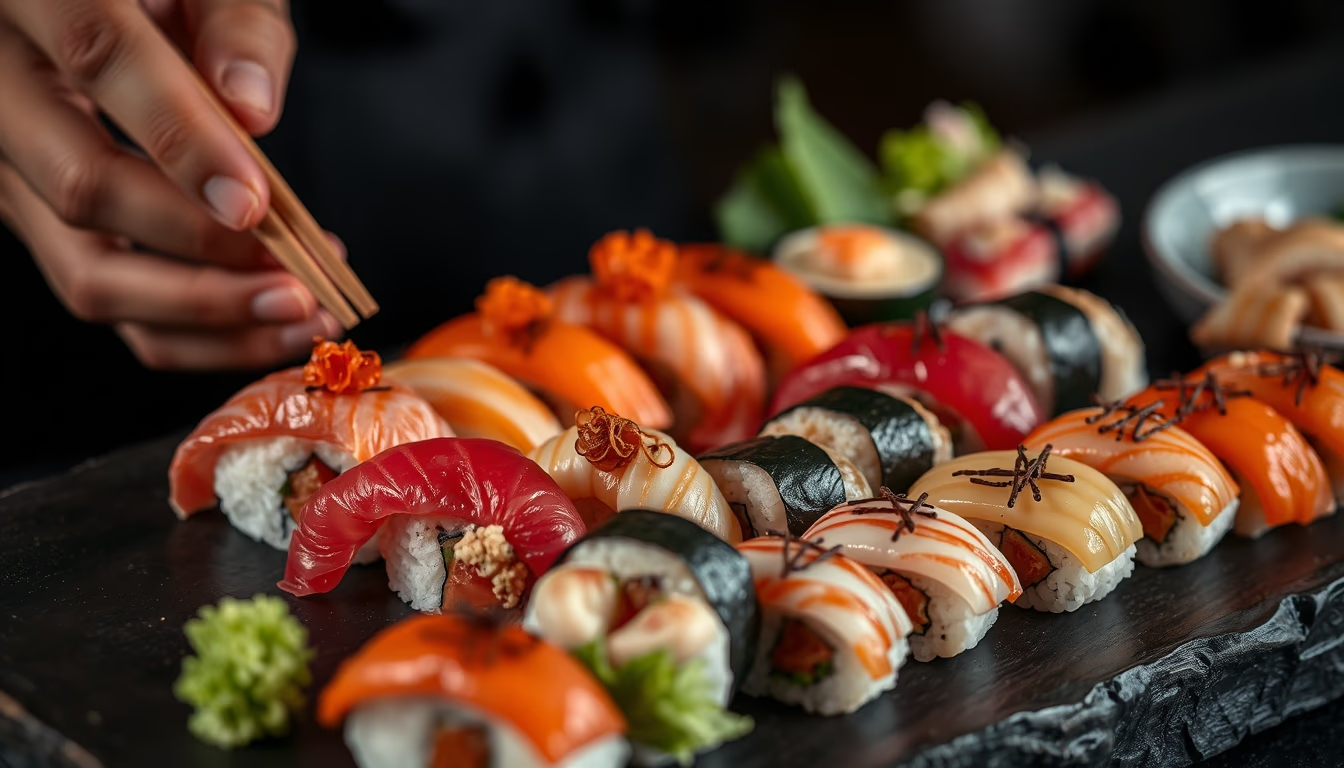
Sashimi presentation
1344×768 · AVIF · CC BY 4.0
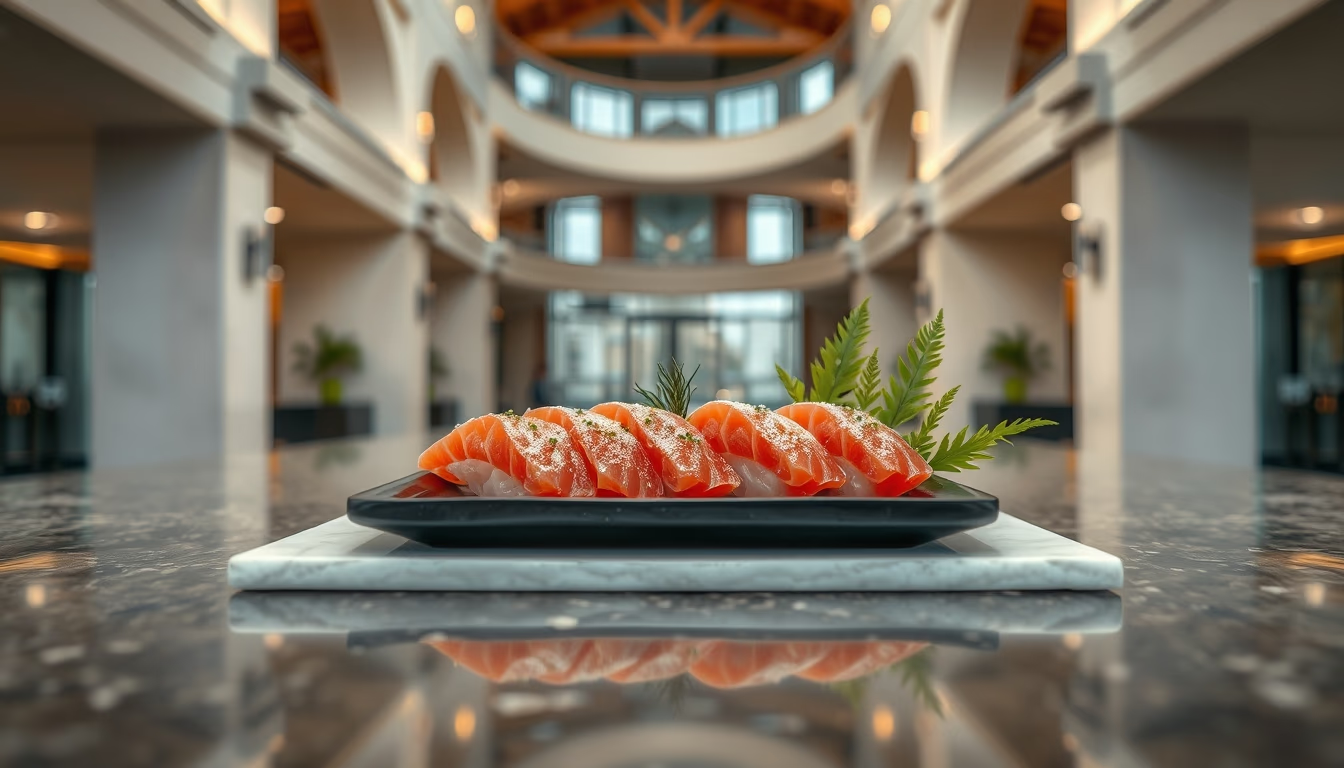
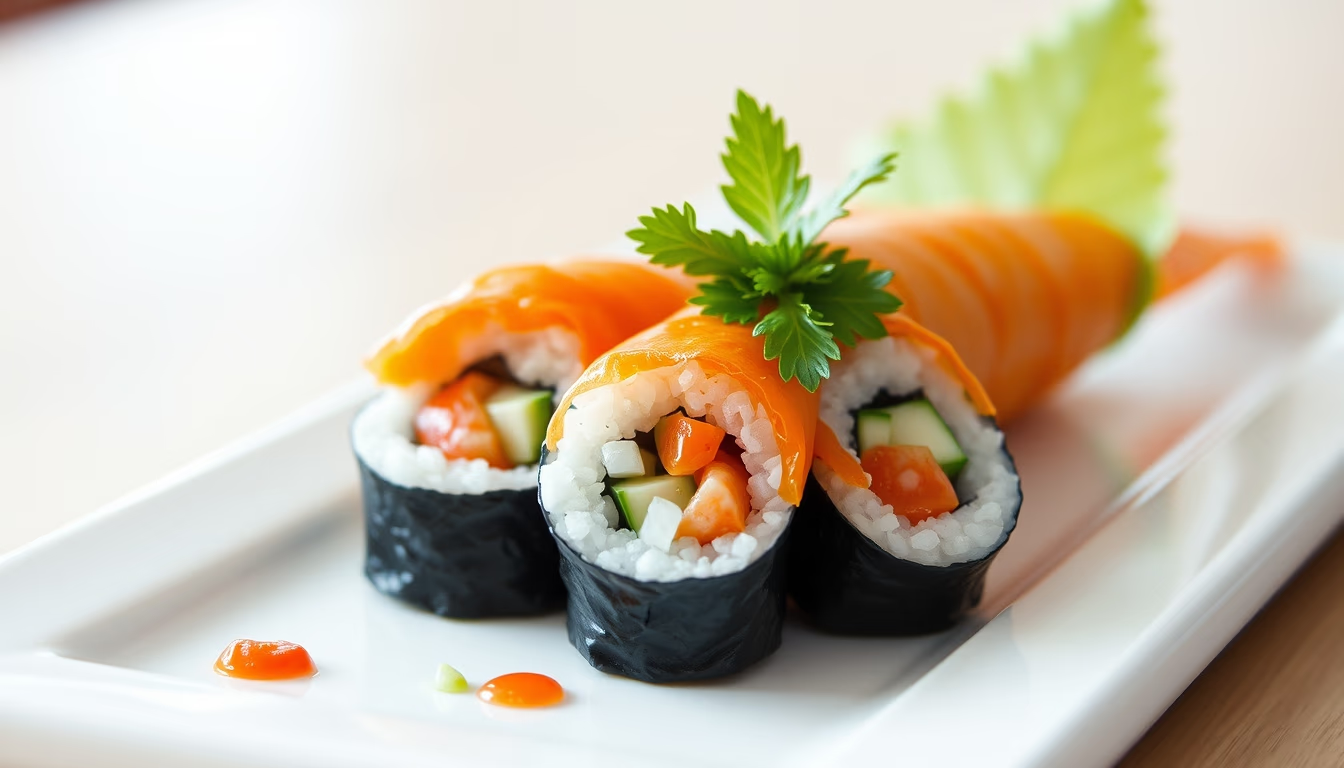
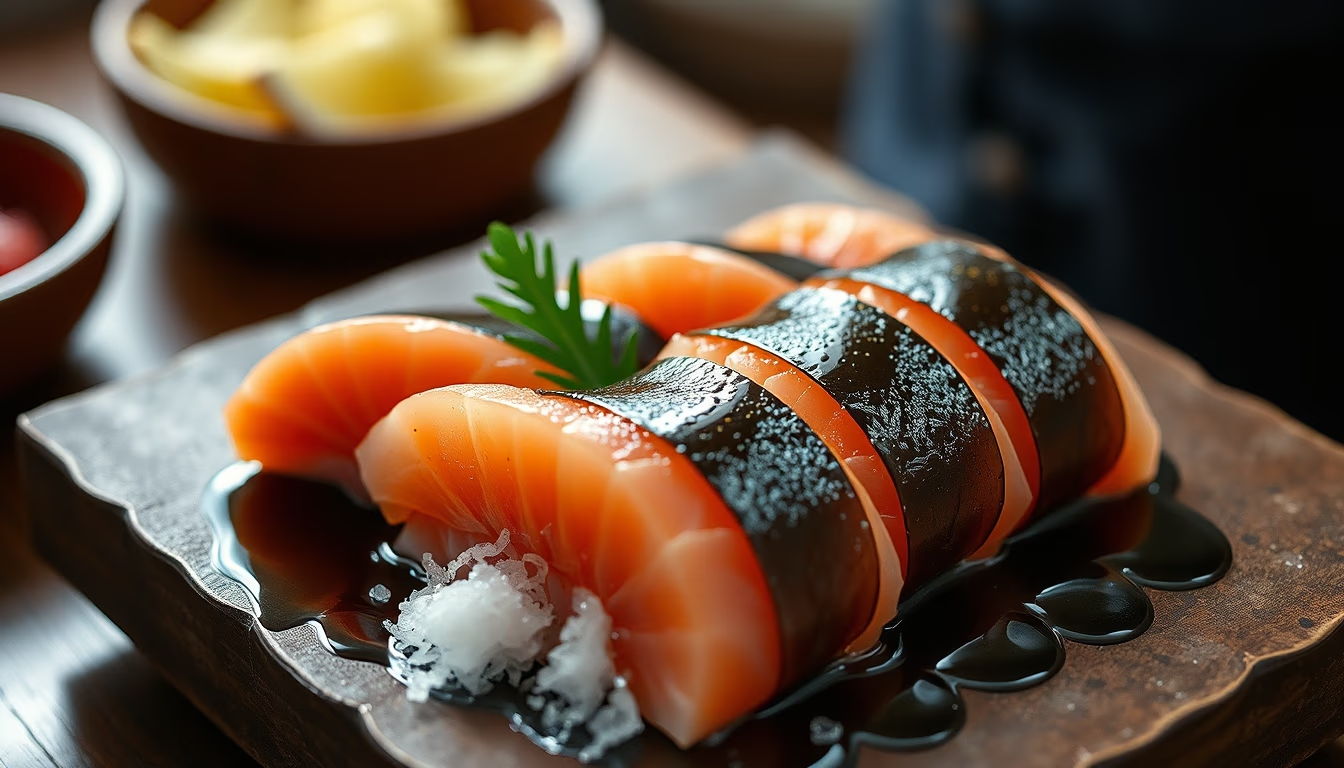
Sashimi is a Japanese delicacy featuring precisely sliced raw fish, served in a minimalist and elegant arrangement that emphasizes freshness and texture.
About this subject
Sashimi is a traditional Japanese dish consisting of raw fish or seafood sliced into thin, uniform pieces, served without rice, unlike sushi. Its origins trace back to the Heian period (794, 1185), when fishermen began consuming raw fish with soy sauce and vinegar. The slicing technique is crucial: styles include hira-zukuri (rectangular cut), usu-zukuri (paper-thin slices), and kaku-zukuri (cubed cuts), each enhancing different textures and flavors. For precision, chefs use specialized knives like the yanagiba, a long, thin blade that glides without tearing the fish's fibers.
The presentation of sashimi, called moritsuke, is an art form seeking visual harmony and seasonality. The pieces are arranged on ceramic or lacquer plates, often accompanied by garnishes such as shiso leaves, grated daikon radish, pickled ginger (gari), and fresh wasabi. Arrangements can follow geometric patterns or mimic natural landscapes, reflecting Japanese aesthetics of minimalism and balance. Ingredient choices are seasonal: in summer, firmer fish like tuna are preferred; in winter, fatty species such as salmon or buri (amberjack) are common.
Culturally, sashimi is eaten as a main course or appetizer in specialized restaurants. Etiquette includes using chopsticks to pick up one slice at a time, dipping it lightly in shoyu (soy sauce) to avoid masking the original flavor. Wasabi is placed directly on the sashimi, never dissolved in the sauce. Fish quality is paramount: it must be deep-frozen to eliminate parasites per health regulations and kept at controlled temperatures until preparation. The architectural presentation mentioned in the tags refers to modern geometric compositions that transform the dish into a visual experience, with precise cuts and angles reminiscent of architectural structures.
Frequently Asked Questions
What is the difference between sashimi and sushi?
Sashimi is sliced raw fish served without rice, while sushi typically combines vinegared rice with other ingredients, which may include raw fish but always includes rice.
How to identify fresh sashimi?
Fresh sashimi has vibrant color, firm texture, and natural sheen. It should smell mildly of the sea, with no strong ammonia odor. The flesh should not be dull or sticky.
What are the most common types of fish for sashimi?
Tuna (maguro), salmon (sake), sea bass (suzuki), sea bream (tai), and mackerel (saba) are popular. Each offers distinct texture and flavor, chosen according to season.
Direct URL
https://pub-c7d6a6ea828543ac903a74a341ccb2e1.r2.dev/imagens/sashimi-presentation-architectural-photography-fresh16.avifHow to credit
Include a visible link back to UtilizAí. Copy one of the snippets below:
<a href="https://xn--utiliza-eza.com/en/midia/imagens/sashimi-presentation-architectural-photography-fresh16">Sashimi presentation</a> by <a href="https://xn--utiliza-eza.com">UtilizAí</a>, licensed under <a href="https://creativecommons.org/licenses/by/4.0/">CC BY 4.0</a>.
[Sashimi presentation](https://xn--utiliza-eza.com/en/midia/imagens/sashimi-presentation-architectural-photography-fresh16) by [UtilizAí](https://xn--utiliza-eza.com), CC BY 4.0
License: CC-BY-4.0