Salt lamp glowing pink
1344×768 · AVIF · CC BY 4.0
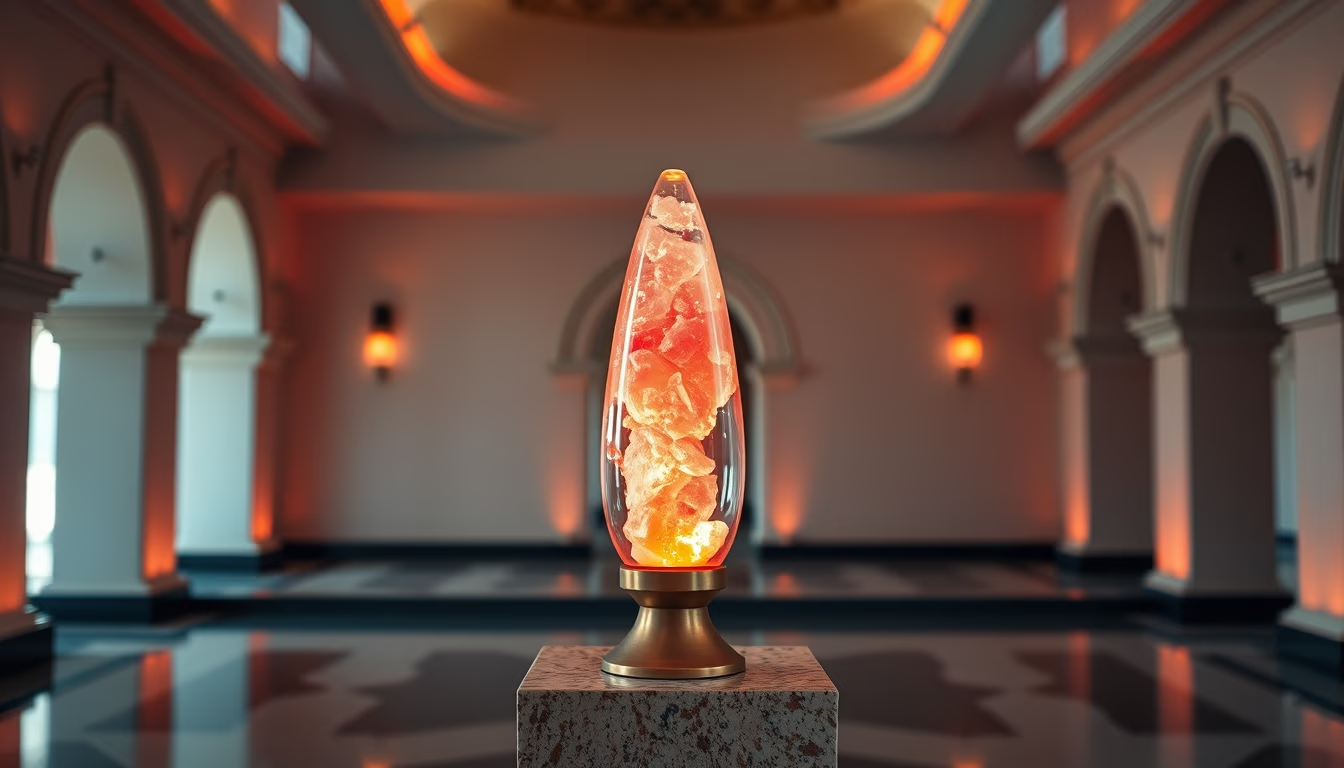
Himalayan pink salt lamp: origin, debated health benefits, and use as a decorative element in wellness spaces.
About this subject
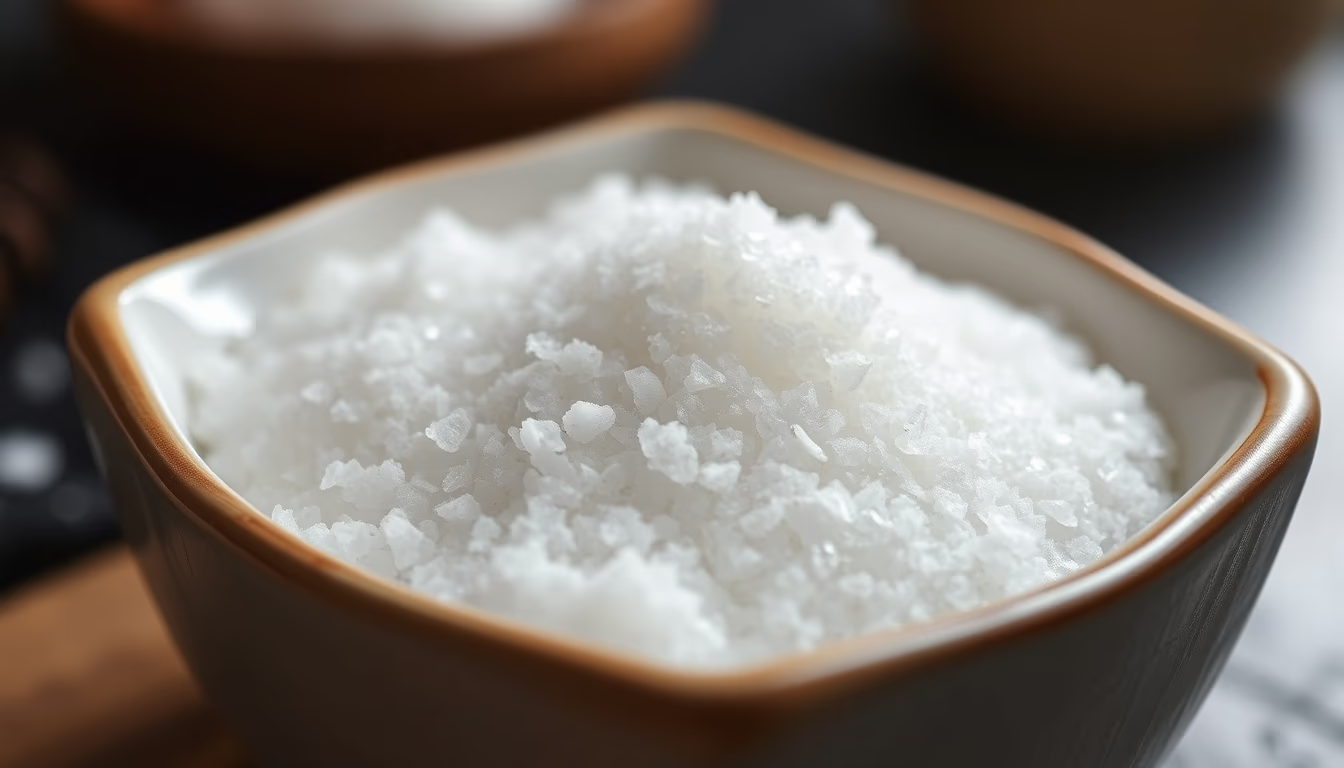
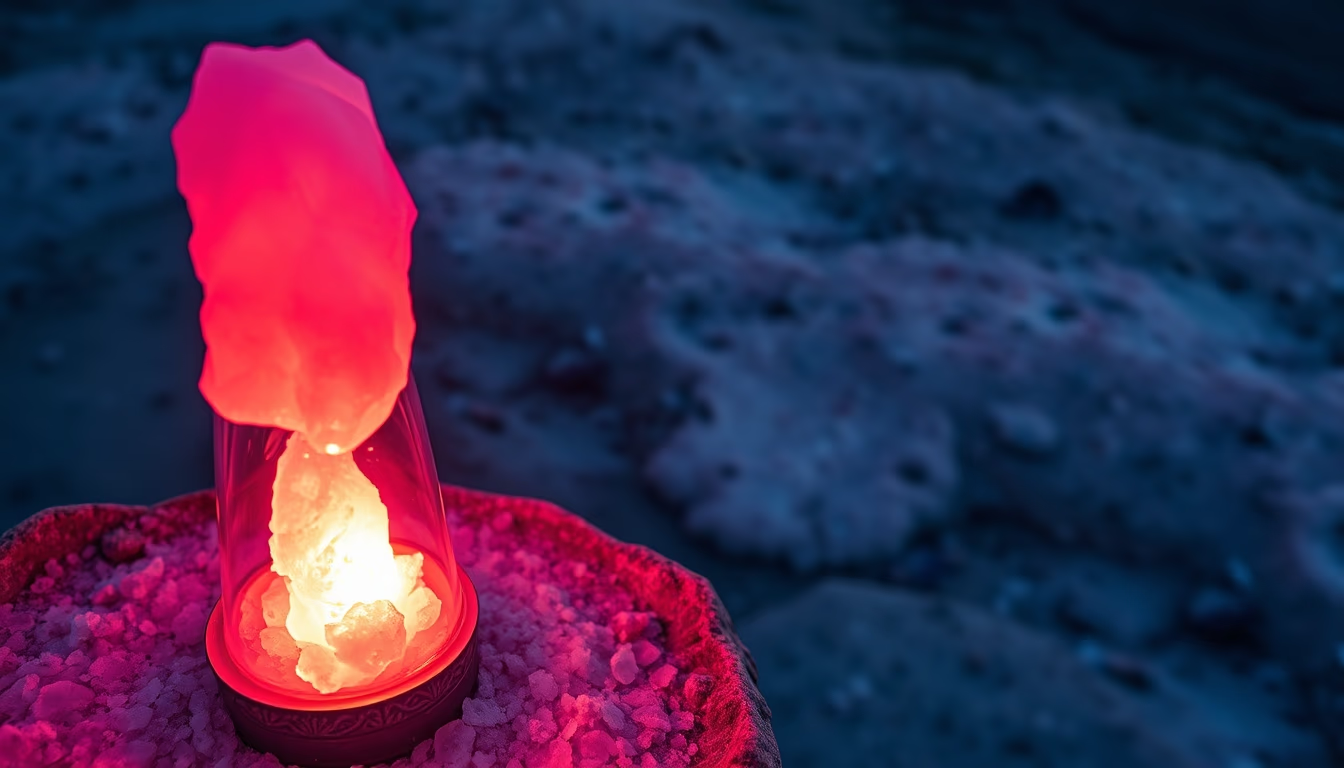
Himalayan salt lamps have become popular in spaces seeking a cozy and relaxing atmosphere. They are carved from pink salt blocks primarily mined from the Khewra Salt Mine in Pakistan, the second largest salt mine in the world. The characteristic pink hue comes from trace minerals such as iron, magnesium, and potassium, which create varying colors when the salt is heated by an internal bulb.
Wellness proponents claim these lamps can purify the air by releasing negative ions when the salt is gently warmed. However, this property is not scientifically established. Studies indicate that the ion production from a heated salt block is negligible, comparable to that of a simple candle. Nevertheless, the placebo effect and soft light contribute to a subjective feeling of calm and comfort, which many users find beneficial.
From an architectural and decorative standpoint, the object has gained prominence in interior designs linked to wellness, such as spas, yoga studios, and meditation rooms. Its diffused light and warm color create focal points that invite relaxation. The 2026 trend reinforces the use of natural and sustainable elements in decoration, and Himalayan salt fits this search for organic materials with a geological history.
It is important to note that, despite the aesthetic appeal, salt lamps are hygroscopic: they absorb moisture from the air. In humid regions such as coastal areas, they may melt or sweat if not turned on frequently. This natural phenomenon occurs because salt tends to dissolve in water. To preserve the piece, it is recommended to keep it lit periodically to evaporate accumulated moisture.
Frequently Asked Questions
Do Himalayan salt lamps actually purify the air?
There is no strong scientific evidence that they release enough negative ions to purify the air. The reported sense of well-being is more likely due to the placebo effect and the soft, warm lighting than to any significant chemical action.
Where does Himalayan pink salt come from?
Most pink salt is mined from the Khewra Salt Mine in Pakistan, located in the Himalayan region. The pink color comes from trace minerals like iron oxide that accumulated during the salt's formation over millions of years.
How can I prevent my salt lamp from sweating or melting?
In humid environments, the lamp absorbs moisture and may release droplets. To prevent this, keep the lamp turned on for a few hours daily, as the heat will evaporate the moisture. Also, place it on a plate or waterproof base.
Direct URL
https://pub-c7d6a6ea828543ac903a74a341ccb2e1.r2.dev/imagens/salt-lamp-glowing-pink-architectural-photography-p0.avifHow to credit
Include a visible link back to UtilizAí. Copy one of the snippets below:
<a href="https://xn--utiliza-eza.com/en/midia/imagens/salt-lamp-glowing-pink-architectural-photography-p0">Salt lamp glowing pink</a> by <a href="https://xn--utiliza-eza.com">UtilizAí</a>, licensed under <a href="https://creativecommons.org/licenses/by/4.0/">CC BY 4.0</a>.
[Salt lamp glowing pink](https://xn--utiliza-eza.com/en/midia/imagens/salt-lamp-glowing-pink-architectural-photography-p0) by [UtilizAí](https://xn--utiliza-eza.com), CC BY 4.0
License: CC-BY-4.0