Salt lamp glowing pink
1344×768 · AVIF · CC BY 4.0
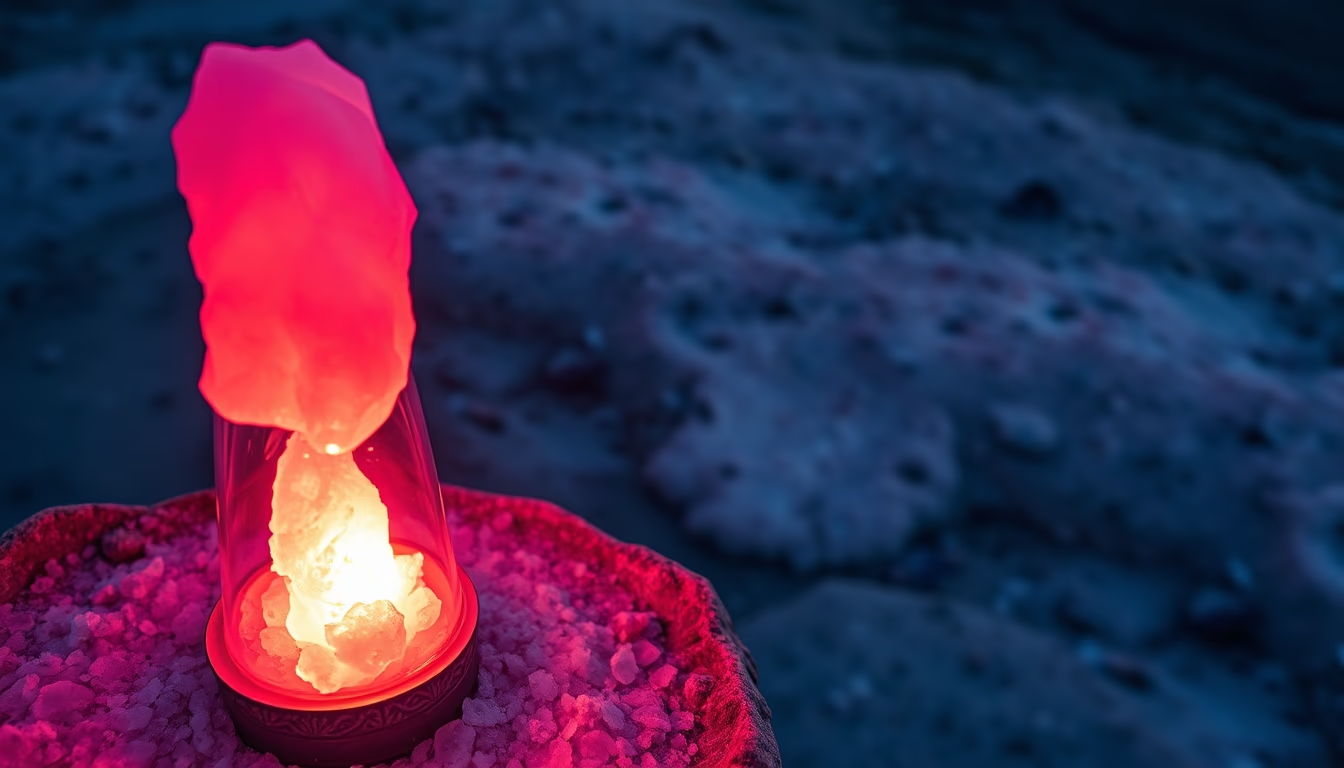
Himalayan salt lamp glowing pink, a decorative and wellness item that combines natural aesthetics with claims of air purification.
About this subject
Himalayan salt lamps are carved from pink salt blocks mined from the Khewra Salt Mine in Pakistan, one of the world's oldest and largest salt deposits. Formed over 250 million years ago from ancient sea beds, the salt's pink color comes from trace minerals like iron oxide, magnesium, and potassium. Artisans hollow out the blocks and insert a light bulb or LED lamp; when lit, the salt emits a warm, amber glow often described as calming.
The wellness industry embraced salt lamps in the 2010s, marketing them as natural air purifiers that release negative ions when heated. Negative ions are believed to attach to positively charged particles like dust and allergens, potentially improving air quality. However, peer-reviewed studies show that the ion emission from salt lamps is negligible compared to standard ionizers, and any health benefits remain unproven. Despite this, the lamps remain popular as ambient lighting and decor in yoga studios, bedrooms, and offices.
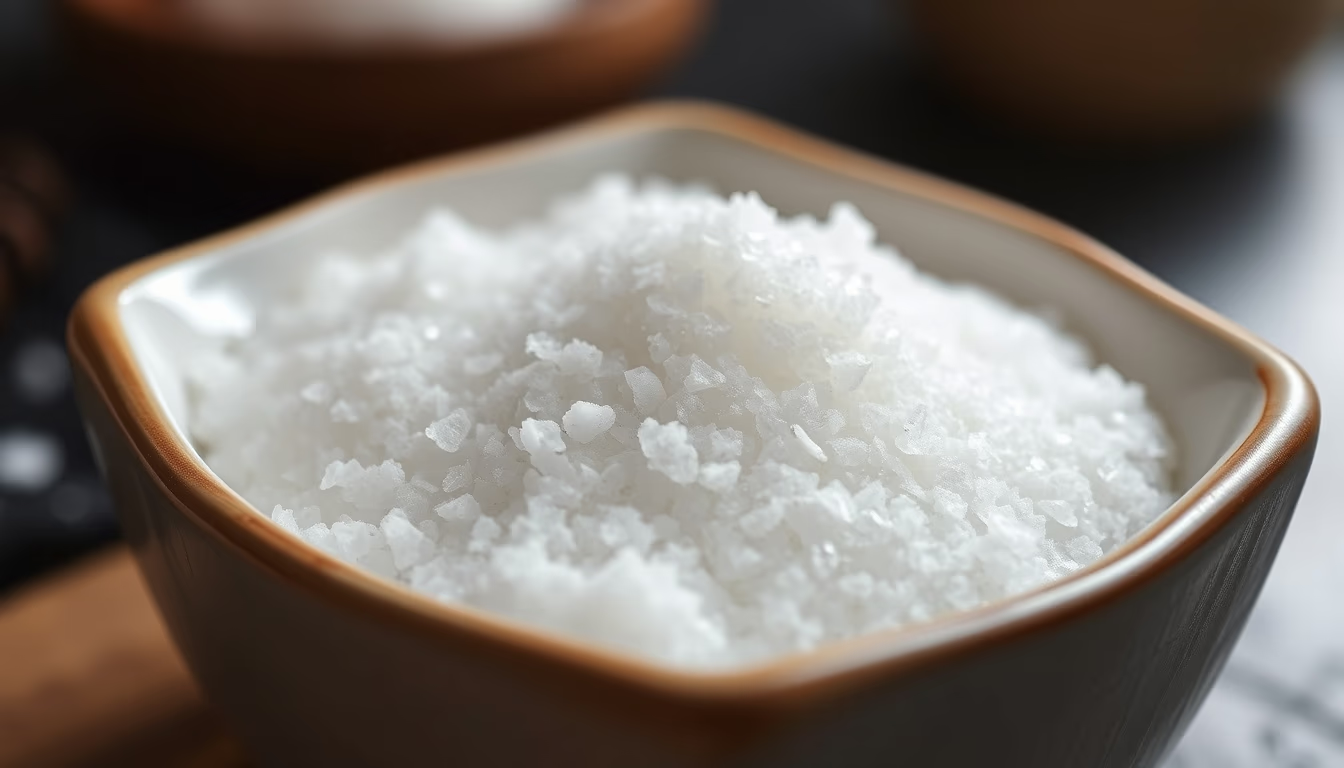
Culturally, pink Himalayan salt has permeated beyond lamps: it is used in cooking, as bath salt, and in salt therapy rooms (halotherapy). The warm pink hue also aligns with the 'dopamine decor' trend, where colors are chosen to boost mood. The aerial drone shot perspective highlights the lamp's soft, diffuse light pattern, often used in social media posts to evoke serenity. While the scientific consensus remains cautious, the aesthetic appeal of a glowing pink salt lamp endures as a symbol of intentional relaxation and natural beauty in a fast-paced world.
Frequently Asked Questions
Do Himalayan salt lamps really purify the air?
No solid scientific evidence supports the claim. Studies indicate the negative ion emission is negligible, far below the level needed to affect air quality or health.
Where does pink Himalayan salt come from?
It is mined from the Khewra Salt Mine in Pakistan, located in the Himalayan foothills. The salt formed from ancient sea evaporation over 250 million years ago.
What is the difference between incandescent and LED salt lamps?
Incandescent bulbs produce more heat, warming the salt and creating a stronger glow, but consume more energy. LED bulbs are cooler, more energy-efficient, and last longer, but may not produce the same warm effect.
Direct URL
https://pub-c7d6a6ea828543ac903a74a341ccb2e1.r2.dev/imagens/salt-lamp-glowing-pink-aerial-drone-shot-p6.avifHow to credit
Include a visible link back to UtilizAí. Copy one of the snippets below:
<a href="https://xn--utiliza-eza.com/en/midia/imagens/salt-lamp-glowing-pink-aerial-drone-shot-p6">Salt lamp glowing pink</a> by <a href="https://xn--utiliza-eza.com">UtilizAí</a>, licensed under <a href="https://creativecommons.org/licenses/by/4.0/">CC BY 4.0</a>.
[Salt lamp glowing pink](https://xn--utiliza-eza.com/en/midia/imagens/salt-lamp-glowing-pink-aerial-drone-shot-p6) by [UtilizAí](https://xn--utiliza-eza.com), CC BY 4.0
License: CC-BY-4.0