Rural worker in a sunny field with traditional hat
1344×768 · AVIF · CC BY 4.0
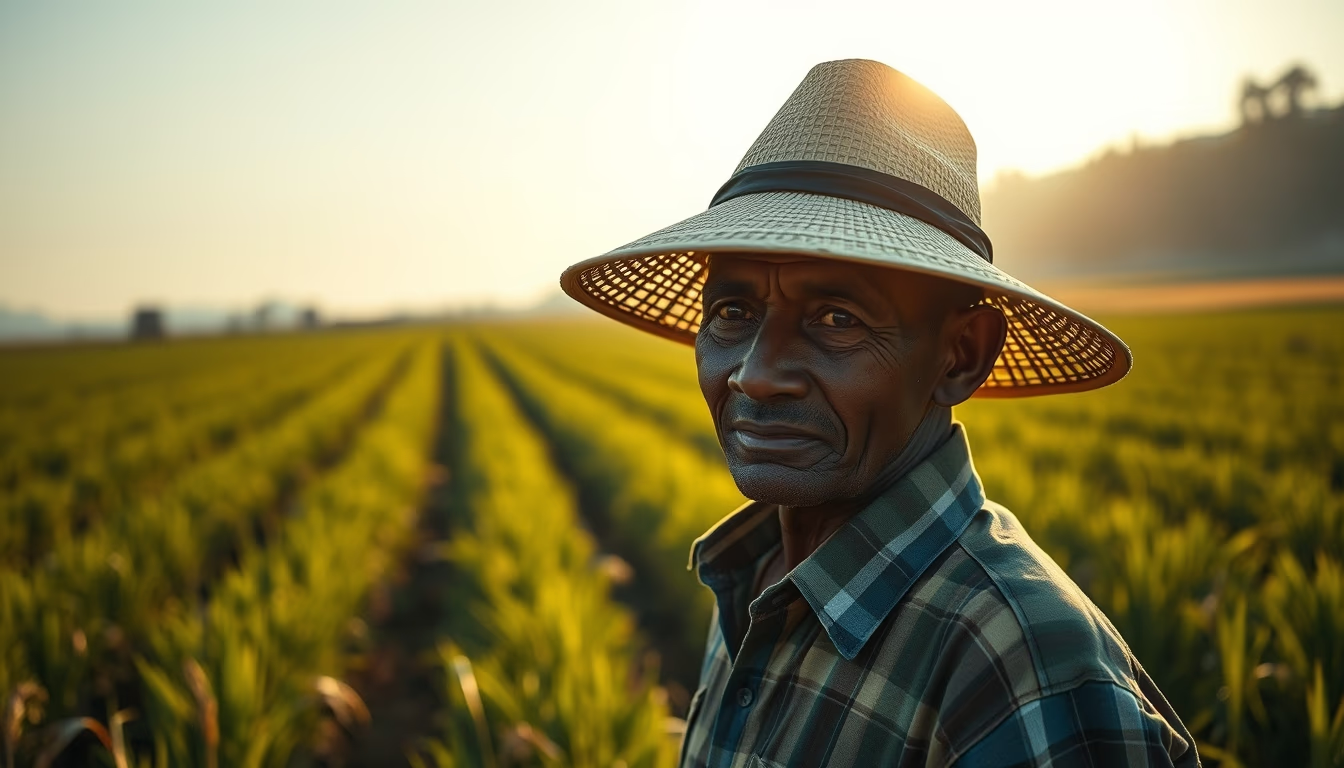
Rural worker in a sunny field wearing a traditional hat, a symbol of Brazilian family farming.
About this subject
The rural worker is a central figure in Brazil's agricultural economy, responsible for a large share of food production that supplies the domestic market and generates export surpluses. According to the 2017 Agricultural Census, about 77% of agricultural establishments in the country are classified as family farms, employing approximately 67% of the rural labor force. These workers, often wearing straw or leather hats to protect themselves from intense sun, handle a variety of crops such as coffee, corn, beans, cassava, and vegetables.
The traditional hat, whether straw or wide-brimmed, is not just a clothing item but essential personal protective equipment against solar radiation and heat. In regions like the Northeast and Midwest, where temperatures can exceed 40°C, using this accessory is indispensable to prevent heatstroke and burns. Moreover, the hat is part of the rural worker's cultural identity, depicted in literature, music, and popular festivals like the Barretos Rodeo.
The workday in the field begins early, often before sunrise, and extends until late afternoon, when light is most favorable for activities. Despite increasing mechanization, millions of workers still perform manual tasks such as planting, harvesting, and weeding on small properties. Brazil's Social Security system recognizes the importance of this segment with benefits like rural retirement, which requires proof of 15 years of rural activity.
The image of the rural worker under the strong sun evokes resilience and the importance of agriculture for Brazil's development. IBGE data shows that the agricultural sector accounts for about 8% of the national GDP, with emphasis on soybeans, beef, and sugarcane. The rural worker, with their traditional hat, remains the backbone of this production chain, facing challenges such as climate change and market fluctuations.
Frequently Asked Questions
What is the importance of rural workers for the Brazilian economy?
Rural workers are essential for food production, with family farming accounting for 77% of agricultural establishments and contributing about 8% of the national GDP, according to IBGE data.
Why is the traditional hat important in the field?
The hat protects against solar radiation and intense heat, preventing heatstroke and burns. It is also a cultural symbol of the rural worker's identity.
How does rural retirement work in Brazil?
Rural workers can retire after 15 years of field activity, proven by documents such as employment contracts, union declarations, or sales receipts of production.
Direct URL
https://pub-c7d6a6ea828543ac903a74a341ccb2e1.r2.dev/imagens/rural-worker-in-a-sunny-field-with-traditional-hat-wide-late-afternoon-2.avifHow to credit
Include a visible link back to UtilizAí. Copy one of the snippets below:
<a href="https://xn--utiliza-eza.com/en/midia/imagens/rural-worker-in-a-sunny-field-with-traditional-hat-wide-late-afternoon-2">Rural worker in a sunny field with traditional hat</a> by <a href="https://xn--utiliza-eza.com">UtilizAí</a>, licensed under <a href="https://creativecommons.org/licenses/by/4.0/">CC BY 4.0</a>.
[Rural worker in a sunny field with traditional hat](https://xn--utiliza-eza.com/en/midia/imagens/rural-worker-in-a-sunny-field-with-traditional-hat-wide-late-afternoon-2) by [UtilizAí](https://xn--utiliza-eza.com), CC BY 4.0
License: CC-BY-4.0