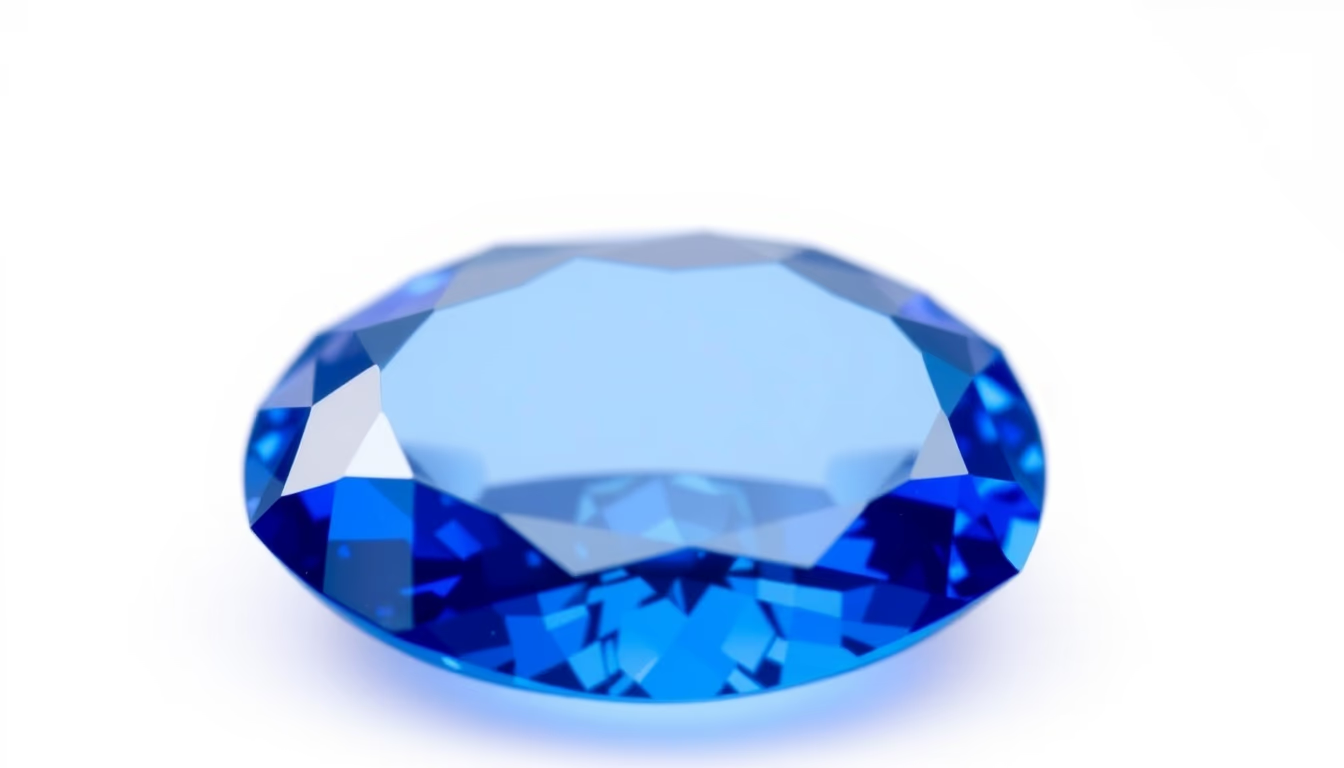
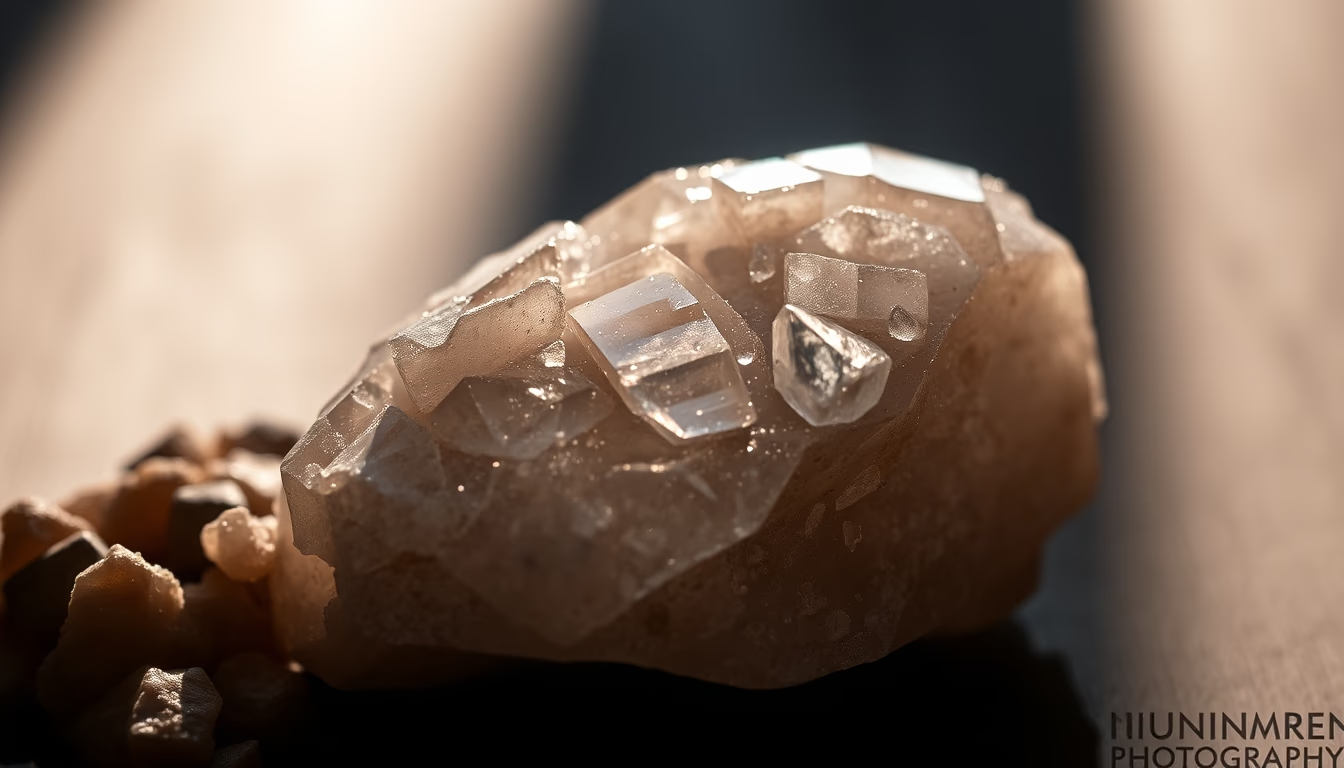
Ruby red gemstone
1344×768 · AVIF · CC BY 4.0
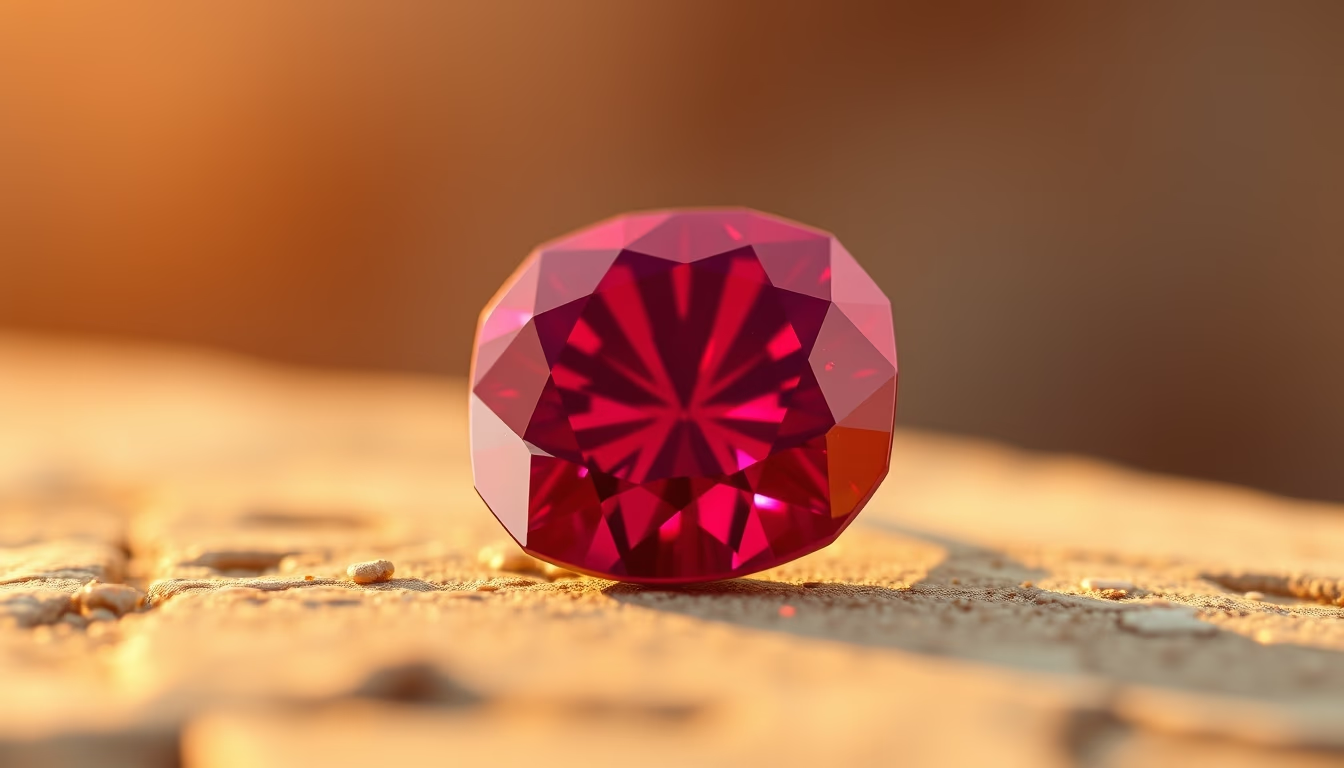
Ruby is one of the world's most valuable gemstones, known for its intense red color ranging from pink to deep crimson.
About this subject
Ruby is a variety of the mineral corundum, composed of aluminum oxide with traces of chromium that give it the characteristic red color. With a hardness of 9 on the Mohs scale, it is second only to diamond in durability, making it one of the most wear-resistant gemstones. Natural rubies form under specific pressure and temperature conditions deep within the Earth over millions of years.
The main sources of gem-quality rubies include Myanmar (formerly Burma), famous for producing the coveted "pigeon blood" rubies with an intense red hue and a slight bluish undertone. Other significant deposits are found in Thailand, Sri Lanka, Madagascar, Tanzania, and Mozambique, with the latter becoming one of the world's largest producers in recent decades. Each region imparts unique characteristics of color and clarity to the stone.
Culturally and historically, ruby has always symbolized passion, power, and protection. It was worn by kings and warriors as a talisman to ward off evil and ensure victory in battle. In astrology and modern jewelry, it is the birthstone for July and frequently appears in engagement rings and high-end luxury pieces. Rubies also hold industrial importance: the ruby laser was one of the first lasers developed and is used in scientific and medical applications.
Grading a ruby involves the "4 Cs": color, clarity, cut, and carat weight. Color is the most critical factor, with vivid red fluorescence highly prized. Natural rubies with visible inclusions are common, as perfectly clean specimens are extremely rare and expensive. Heat treatment is widely accepted for improving color and transparency, as long as it is disclosed.
Frequently Asked Questions
What is the difference between natural and synthetic ruby?
Natural rubies form through geological processes over millions of years, while synthetic rubies are created in laboratories using methods like flame fusion or hydrothermal growth. Synthetic rubies have identical chemical composition but are usually more flawless and less expensive.
What does 'pigeon blood' mean for rubies?
'Pigeon blood' describes the most prized red color in rubies, an intense hue with a slight bluish undertone reminiscent of the bird's blood. It is a historical term originating from Myanmar mines.
How to identify a quality ruby?
Look for vivid, uniform color. Clarity ideally with no visible inclusions to the naked eye, but small inclusions are acceptable. The cut should be symmetrical to maximize brilliance. Be wary of very low prices, as high-quality natural rubies are rare and expensive.
Direct URL
https://pub-c7d6a6ea828543ac903a74a341ccb2e1.r2.dev/imagens/ruby-red-gemstone-cinematic-wide-shot-p5.avifHow to credit
Include a visible link back to UtilizAí. Copy one of the snippets below:
<a href="https://xn--utiliza-eza.com/en/midia/imagens/ruby-red-gemstone-cinematic-wide-shot-p5">Ruby red gemstone</a> by <a href="https://xn--utiliza-eza.com">UtilizAí</a>, licensed under <a href="https://creativecommons.org/licenses/by/4.0/">CC BY 4.0</a>.
[Ruby red gemstone](https://xn--utiliza-eza.com/en/midia/imagens/ruby-red-gemstone-cinematic-wide-shot-p5) by [UtilizAí](https://xn--utiliza-eza.com), CC BY 4.0
License: CC-BY-4.0