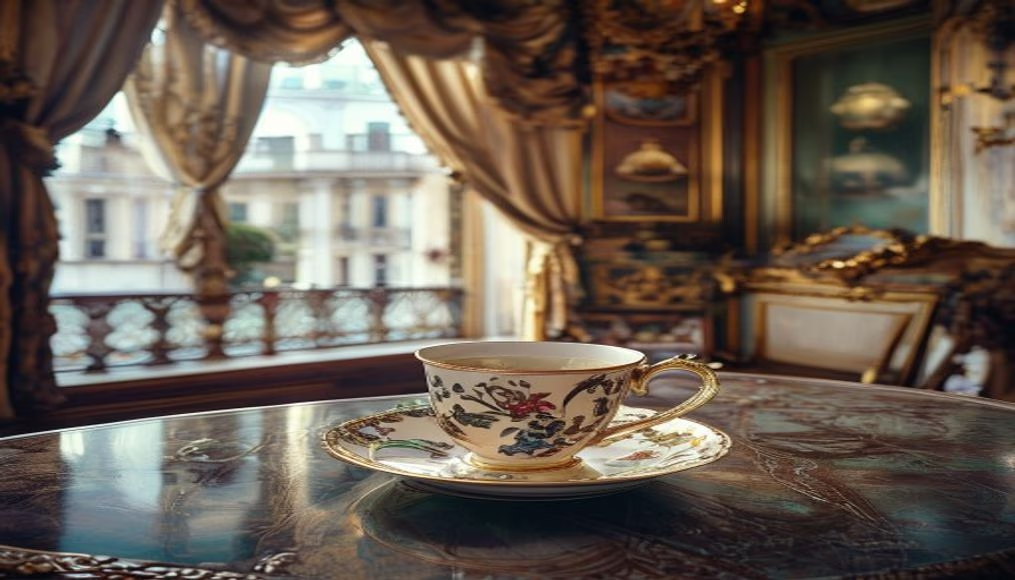
Royal copenhagen flora danica plate
1344×768 · AVIF · CC BY 4.0
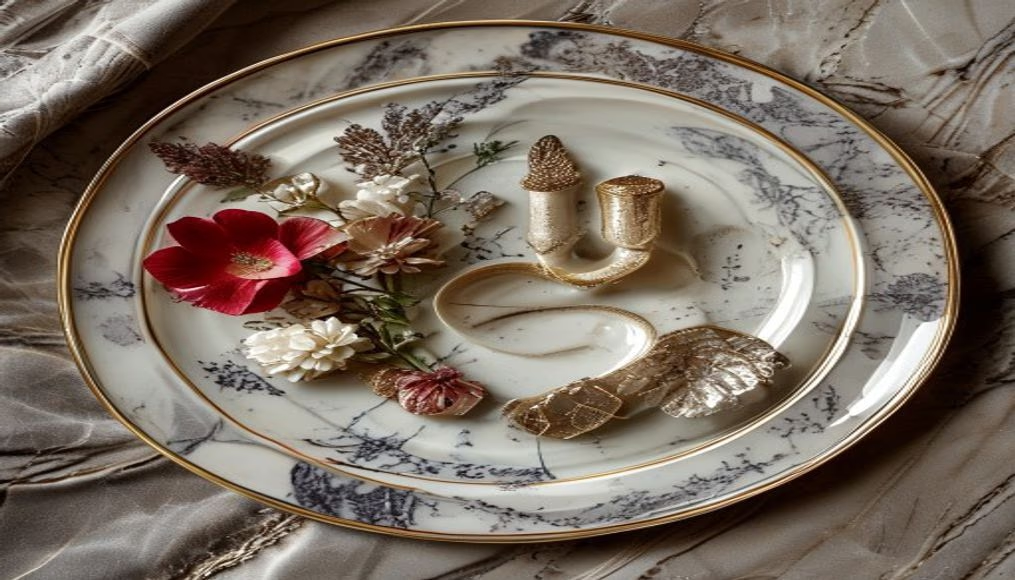
The Royal Copenhagen Flora Danica plate is a hand-painted fine porcelain piece inspired by 18th-century Danish flora.
About this subject
The Royal Copenhagen Flora Danica plate represents one of the world's most prestigious luxury porcelain lines. Originally created in 1790 by order of King Christian VII of Denmark, the service was gifted to Russian Empress Catherine the Great. Each piece is hand-painted with botanical motifs extracted from the encyclopedic work Flora Danica, which cataloged native Danish plants. To this day, production follows artisanal methods: the porcelain paste is molded in plaster casts, fired at high temperatures, and decorated with specific enamels. Around 1,800 different plant species have been depicted throughout the collection's history, making each plate unique.
The quality of Royal Copenhagen porcelain is recognized by the trademark of three blue waves, symbolizing the three straits that connect Denmark to the Baltic Sea. The Flora Danica line is considered the most expensive and exclusive of the brand, with a single plate costing thousands of reais in the collectors' market. Production is limited, and each piece takes weeks to complete due to the complexity of the floral details. Besides aesthetic value, these plates carry strong historical and cultural appeal, often displayed in museums and art auctions.
Interestingly, the Flora Danica pattern has never been updated: the same 18th-century designs are faithfully reproduced today. This gives the collection a timeless aura, appreciated by heads of state and collectors. In Brazil, the line is sold in luxury stores and has admirers who use it on special occasions. Despite its high cost, many see the plates as an investment, as their value tends to appreciate over time. Maintenance requires special care, such as hand washing and storage in a dry place.
In terms of design, the floral composition typically occupies the center of the plate, with vivid colors and minute details that mimic the real appearance of plants. The rim is decorated with gold or blue borders, depending on the variation. Each flower is identified by its scientific name on the back, along with the Royal Copenhagen logo and the painter's signature. This artisanal personalization makes each piece a unique work of art, explaining why the Flora Danica collection is so coveted in the world of fine porcelain.
Frequently Asked Questions
What makes the Flora Danica plate so expensive?
The high cost stems from the handmade process: hand-painting, use of gold or platinum in decoration, premium raw materials, and limited production. Each plate takes weeks to complete.
How can I identify an original Flora Danica plate?
Look for Royal Copenhagen's three blue wave trademark and the scientific name of the flower on the back. The piece should have the painter's signature and a serial number.
Is Flora Danica still produced today?
Yes, Royal Copenhagen continues to manufacture the line using the same molds and techniques from the 18th century. Production is limited and made to order.
Direct URL
https://pub-c7d6a6ea828543ac903a74a341ccb2e1.r2.dev/imagens/royal-copenhagen-flora-danica-plate-marble-surface-luxury-still-life-luxo0.avifHow to credit
Include a visible link back to UtilizAí. Copy one of the snippets below:
<a href="https://xn--utiliza-eza.com/en/midia/imagens/royal-copenhagen-flora-danica-plate-marble-surface-luxury-still-life-luxo0">Royal copenhagen flora danica plate</a> by <a href="https://xn--utiliza-eza.com">UtilizAí</a>, licensed under <a href="https://creativecommons.org/licenses/by/4.0/">CC BY 4.0</a>.
[Royal copenhagen flora danica plate](https://xn--utiliza-eza.com/en/midia/imagens/royal-copenhagen-flora-danica-plate-marble-surface-luxury-still-life-luxo0) by [UtilizAí](https://xn--utiliza-eza.com), CC BY 4.0
License: CC-BY-4.0