Royal copenhagen flora danica plate
1344×768 · AVIF · CC BY 4.0
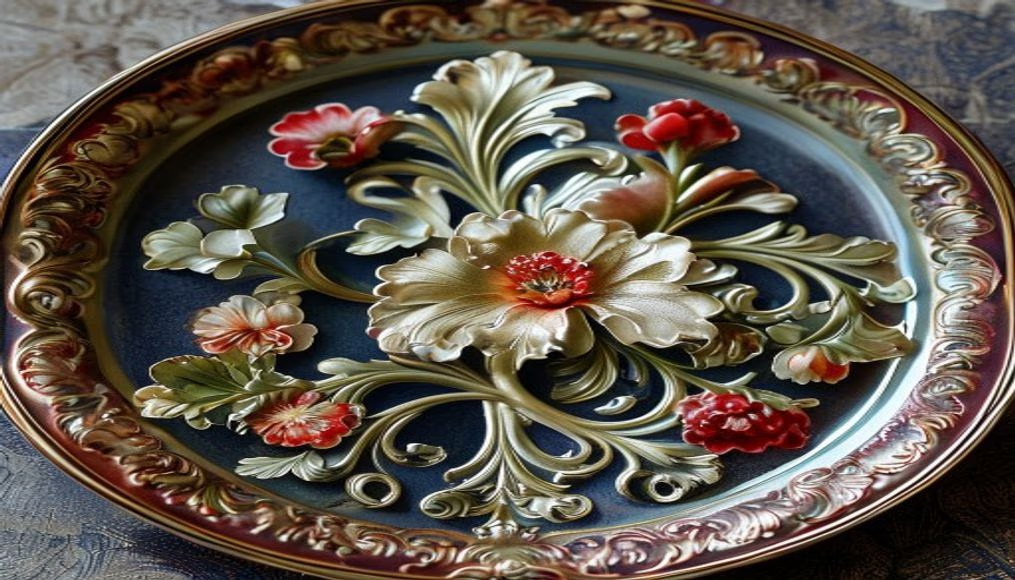
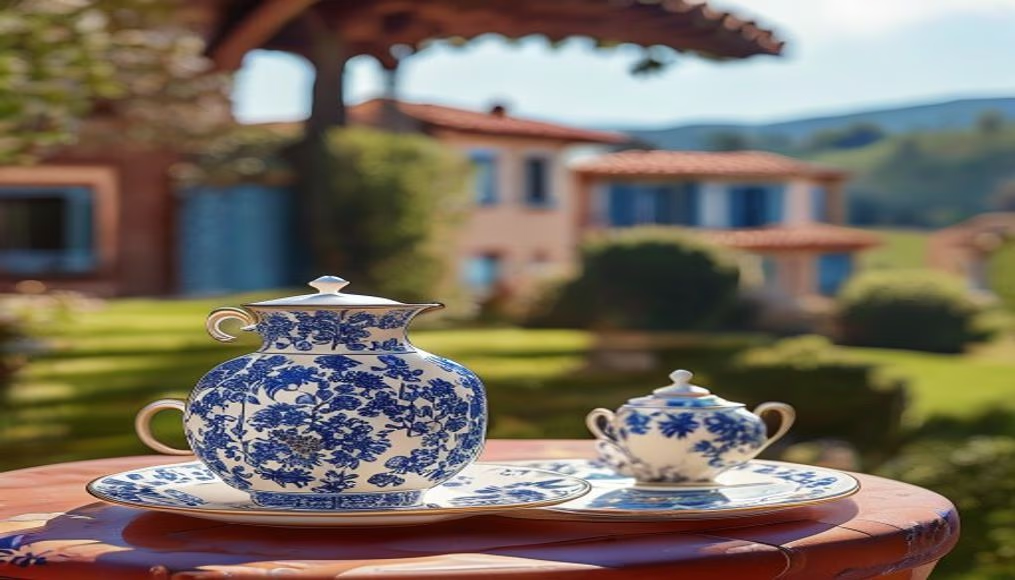
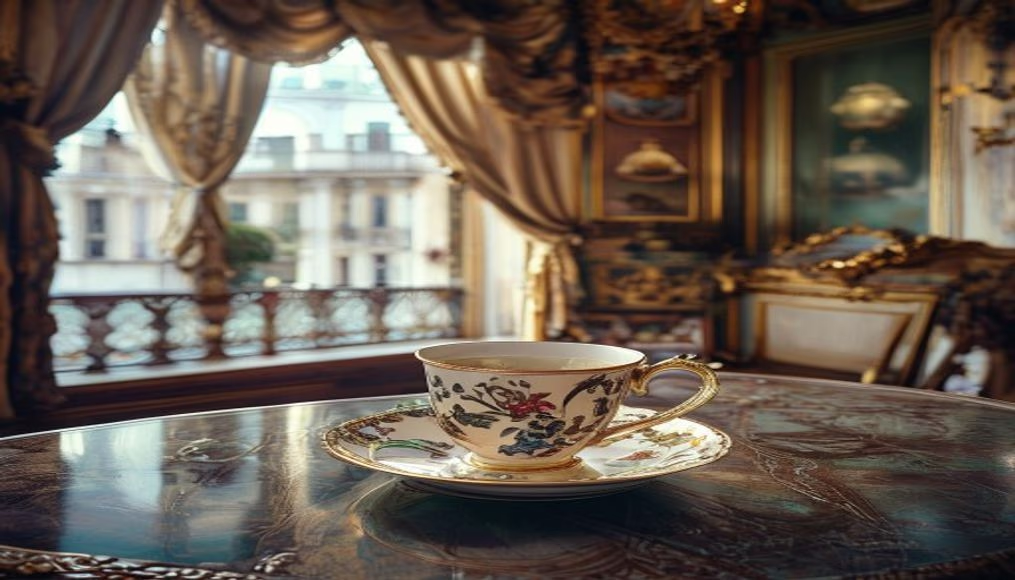
The Royal Copenhagen Flora Danica plate is a masterpiece of Danish porcelain, depicting native flora with precise botanical details since 1790.
About this subject
Royal Copenhagen, founded in 1775 in Denmark, is one of the oldest and most prestigious porcelain manufacturers in the world. The Flora Danica pattern was originally created between 1790 and 1803 by order of King Christian VII, who intended to gift it to Russian Empress Catherine the Great. The full service, comprising over 1,500 pieces, was never completed in time and remained in Denmark, becoming a national symbol.
Each Flora Danica plate is hand-painted with extreme precision, depicting native Danish plants as illustrated in the encyclopedia "Flora Danica", started in 1761 by botanist Georg Christian Oeder. The painting uses vivid colors and realistic details against an immaculate white background that highlights flowers, leaves, and stems. The edges are decorated with delicate gold friezes and a pearl pattern, giving classic elegance.
The painting technique is so refined that artisans often spend weeks completing a single piece. The kiln is fired at high temperatures, ensuring durability and resistance. The line is still produced today, considered one of the most exclusive in the world, with pieces often found in museums and private collections. The value of each plate can range from hundreds to thousands of dollars, depending on rarity and condition.
Flora Danica is not just a porcelain pattern; it is a historical record of Danish botany. Each piece is numbered and signed by the artist, ensuring authenticity and adding value. The line also includes bowls, vases, and complete dinner services, all following the same aesthetic and technical rigor. Collectors and art enthusiasts value not only the beauty but the cultural legacy each piece represents.
Frequently Asked Questions
What makes the Royal Copenhagen Flora Danica plate so special?
Each plate is hand-painted based on the botanical encyclopedia Flora Danica, depicting native Danish plants with realistic detail. The artisanal production, use of 24-karat gold, and tradition spanning over 200 years make it a luxury collector's item.
What is the historical origin of the Flora Danica pattern?
It was commissioned by King Christian VII of Denmark between 1790 and 1803 as a gift for Empress Catherine the Great of Russia. The service was never delivered and remained in Denmark, becoming a national treasure.
How to identify an authentic Flora Danica piece?
Authentic pieces bear the Royal Copenhagen mark (three blue waves) and the mold number, plus the painter's signature. The white background is pearlescent and edges have gold friezes. They should be purchased from authorized dealers or specialized auctions.
Direct URL
https://pub-c7d6a6ea828543ac903a74a341ccb2e1.r2.dev/imagens/royal-copenhagen-flora-danica-plate-art-nouveau-aesthetic-luxo1.avifHow to credit
Include a visible link back to UtilizAí. Copy one of the snippets below:
<a href="https://xn--utiliza-eza.com/en/midia/imagens/royal-copenhagen-flora-danica-plate-art-nouveau-aesthetic-luxo1">Royal copenhagen flora danica plate</a> by <a href="https://xn--utiliza-eza.com">UtilizAí</a>, licensed under <a href="https://creativecommons.org/licenses/by/4.0/">CC BY 4.0</a>.
[Royal copenhagen flora danica plate](https://xn--utiliza-eza.com/en/midia/imagens/royal-copenhagen-flora-danica-plate-art-nouveau-aesthetic-luxo1) by [UtilizAí](https://xn--utiliza-eza.com), CC BY 4.0
License: CC-BY-4.0