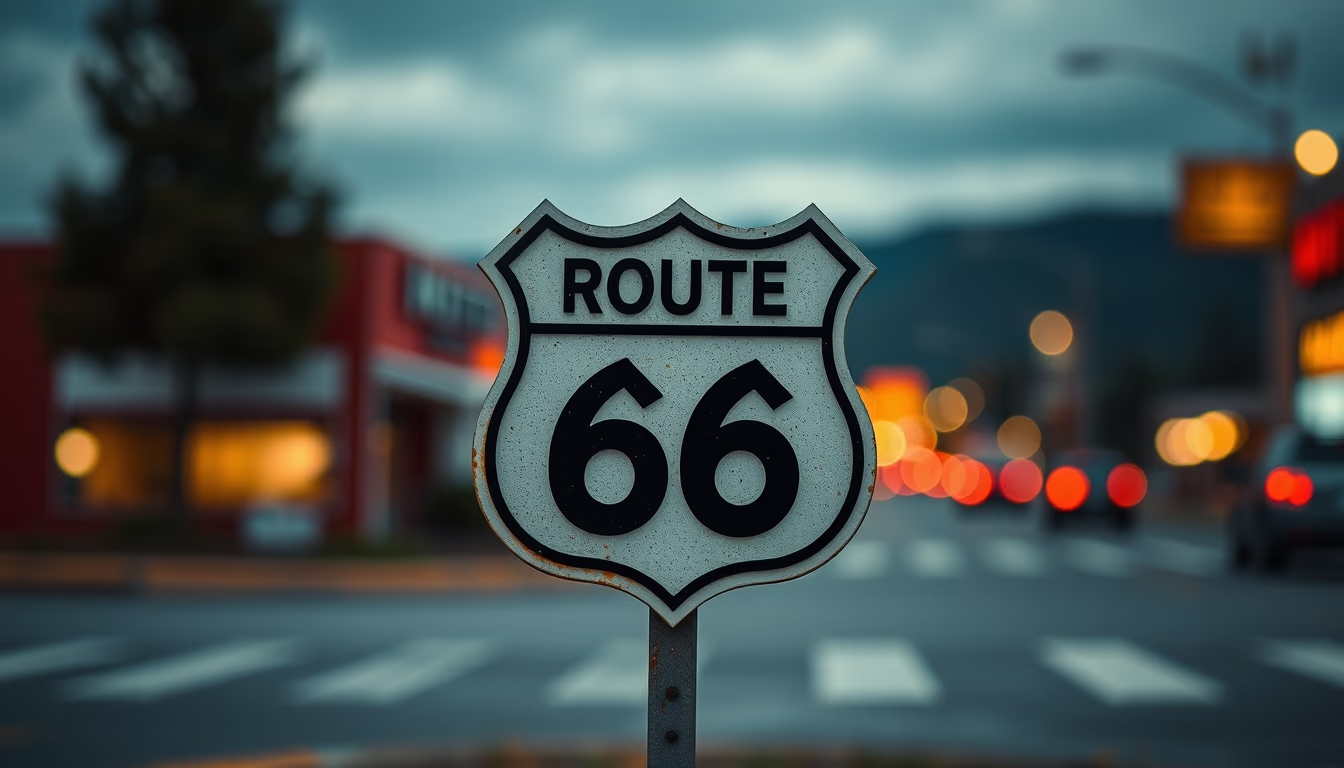
Route 66 motel neon
1344×768 · AVIF · CC BY 4.0
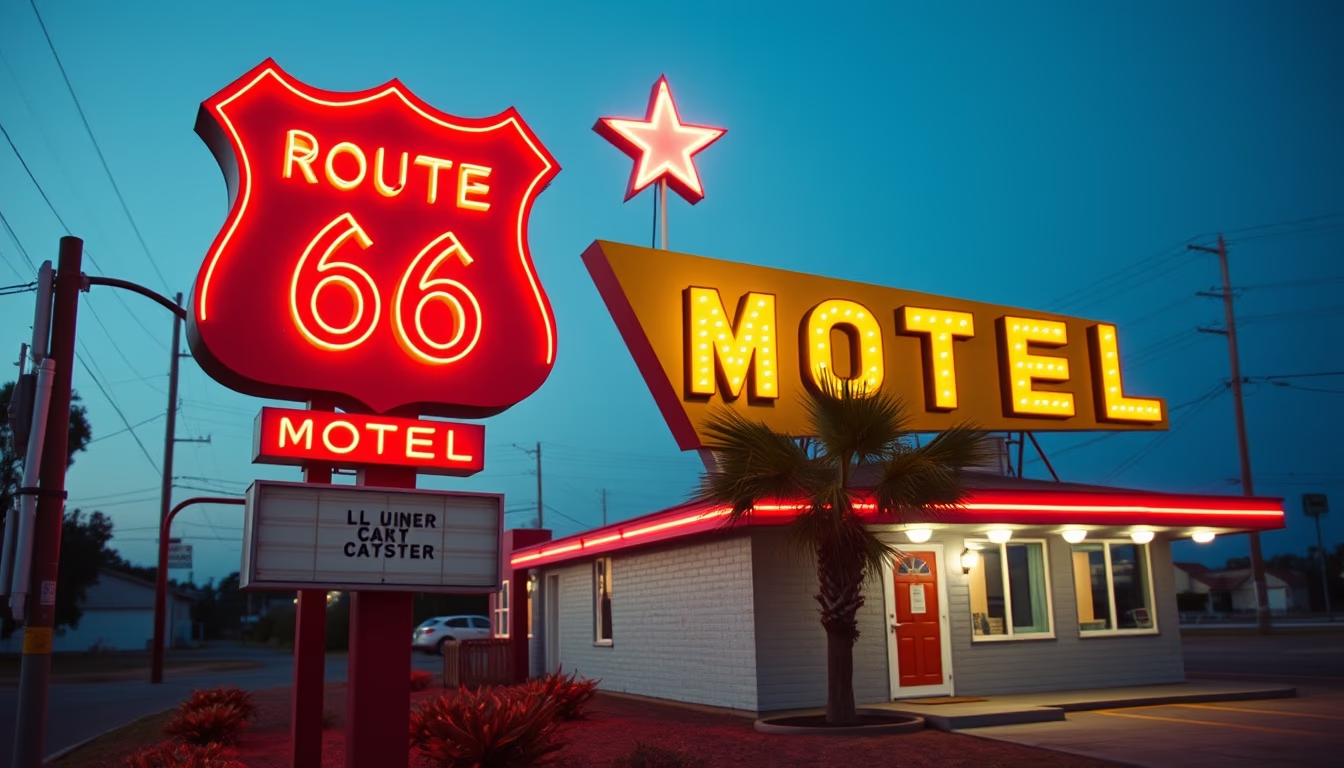
The neon motel signs along Route 66 are icons of American road culture, symbols of the golden age of car travel in the 20th century.
About this subject
Route 66, known as the "Mother Road" or "Main Street of America," was one of the first federal highways in the United States, inaugurated in 1926. Stretching over 3,900 kilometers from Chicago to Santa Monica, California, it became a lifeline for travel and commerce. During its peak in the 1940s and 1950s, millions of motorists drove the route, fueling the growth of tourist infrastructure: gas stations, diners, and motels. Neon signs became the visual trademark of these businesses, glowing at night to lure tired travelers.
The motels along Route 66 ranged from simple cabins to themed establishments, such as those imitating Native American tipis or cowboy shapes. The design of neon signs was often kitschy and eye-catching, featuring cursive lettering and bright colors like red, blue, and green. Companies such as Neon Products and Federal Sign manufactured many of these displays, now considered folk art. Unfortunately, after the construction of interstate highways in the 1970s, traffic on Route 66 declined, and many motels closed, leaving their signs to decay or be demolished.
Today, preservation efforts aim to restore the remaining neon signs. Organizations like the Route 66 Association and the National Park Service run revitalization projects. Some signs have been declared historic landmarks, such as the Blue Swallow Motel's sign in Tucumcari, New Mexico, famous for its blue neon bird. Nostalgia for Route 66 also drives tourism, with visitors eager to photograph these luminous symbols of a bygone America. The "documentary-nature-style" photograph captures the authentic, weathered essence of these signs, contrasting with the artificiality of theme parks.
Beyond aesthetics, neon signs represent an era of postwar optimism and road freedom. Neon, a noble gas that emits light when electrified, was first used commercially in the 1920s. However, the handmade craftsmanship and patina of time give each Route 66 sign a unique character. Photography of these subjects aims not only to document the object but to evoke nostalgia and the adventurous spirit the highway once embodied.
Frequently Asked Questions
Why are neon signs so associated with Route 66?
Neon signs became the visual identity of motels and gas stations along Route 66 during its heyday from the 1940s to the 1960s. They glowed brightly at night to attract drivers at a time when electric lighting was still a novelty. Today, these signs are nostalgic icons of American road culture.
How many original Route 66 neon signs still exist?
There is no exact count, but hundreds of original or restored signs remain along the route. Many have been preserved by local and tourism initiatives, such as in Tucumcari, New Mexico, and at the Historic Route 66 Museum in Kingman, Arizona.
What is the historical significance of Route 66 motels?
Motels were pioneers in roadside lodging, offering cheap rooms and parking for travelers. They boosted car tourism and were crucial for the economic development of small towns along the route. Many survive as historic landmarks and tourist attractions.
Direct URL
https://pub-c7d6a6ea828543ac903a74a341ccb2e1.r2.dev/imagens/route-66-motel-neon-documentary-nature-style-fresh3.avifHow to credit
Include a visible link back to UtilizAí. Copy one of the snippets below:
<a href="https://xn--utiliza-eza.com/en/midia/imagens/route-66-motel-neon-documentary-nature-style-fresh3">Route 66 motel neon</a> by <a href="https://xn--utiliza-eza.com">UtilizAí</a>, licensed under <a href="https://creativecommons.org/licenses/by/4.0/">CC BY 4.0</a>.
[Route 66 motel neon](https://xn--utiliza-eza.com/en/midia/imagens/route-66-motel-neon-documentary-nature-style-fresh3) by [UtilizAí](https://xn--utiliza-eza.com), CC BY 4.0
License: CC-BY-4.0