Roll top desk antique
1344×768 · AVIF · CC BY 4.0
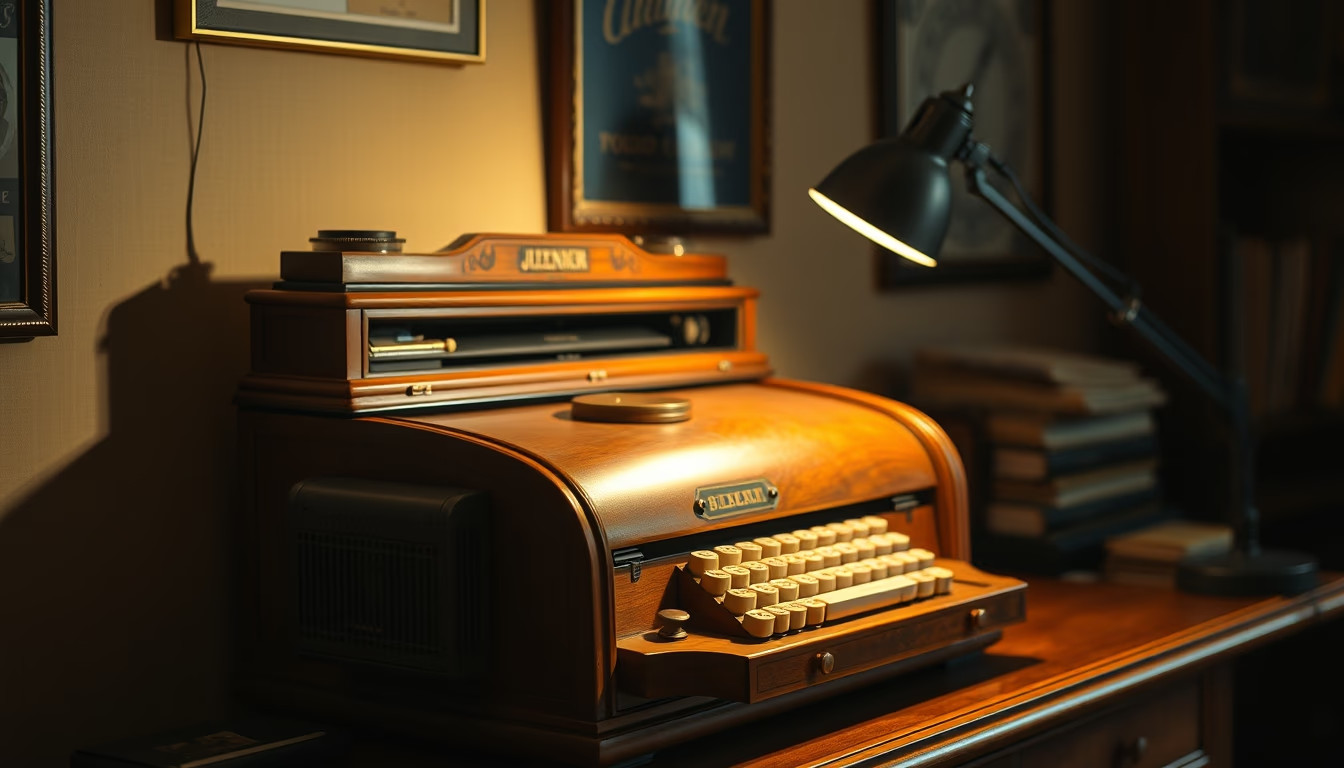
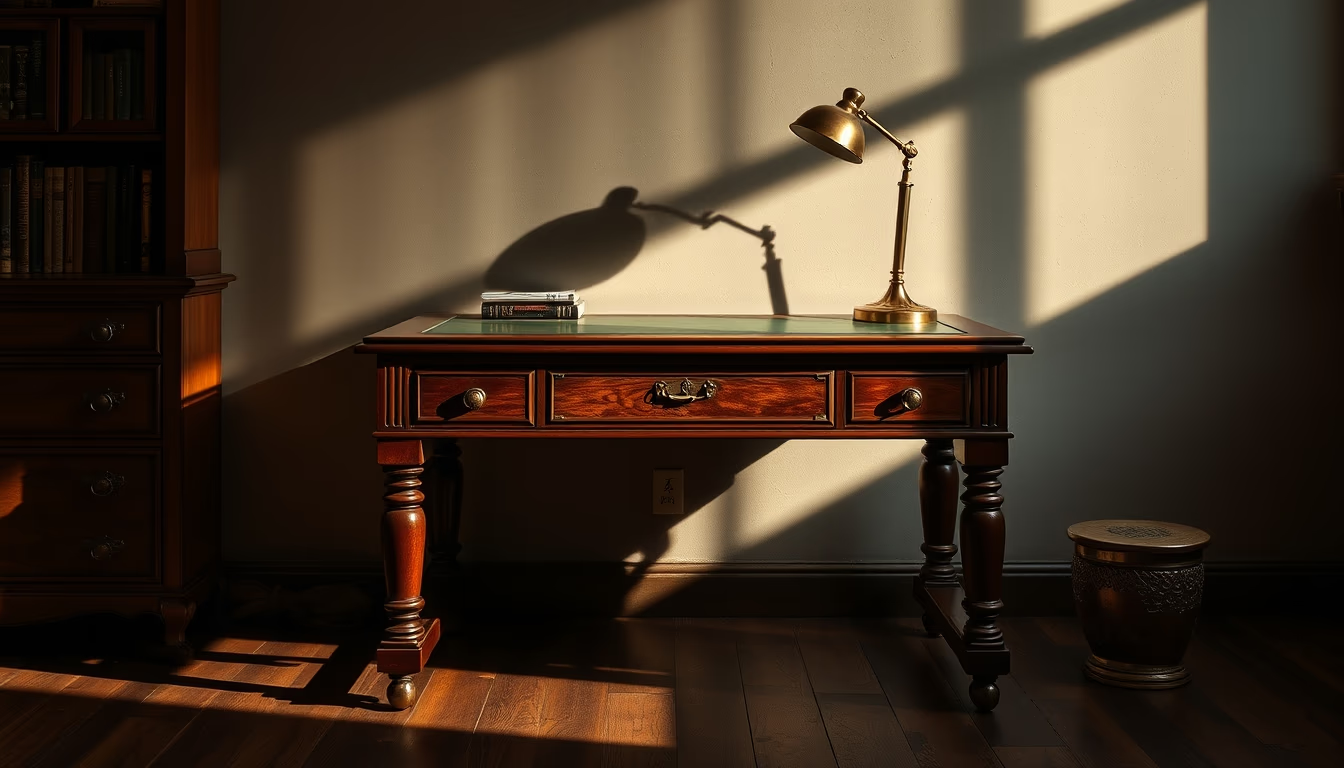
The antique roll top desk, a hallmark of Victorian furniture, combines functionality and craftsmanship in solid wood with drawers and secret compartments.
About this subject
The antique roll top desk is an icon of 19th-century furniture, especially popular during the Victorian era (1837-1901). Its signature design features a curved slatted cover that rolls down to conceal the work surface and internal compartments. This innovation was created to provide privacy and organization, allowing documents and objects to be stored securely without the need for keys.
Handcrafted from fine woods such as mahogany, oak, and walnut, these desks often featured detailed carvings, brass handles, and drawers with spring mechanisms. High-end models, like those produced by the Wooton Desk Company of the United States, included up to 110 drawers and compartments, regarded as true functional works of art. Their high cost at the time made them status symbols among businessmen and professionals.
With the advent of the modern office and mass-produced furniture in the early 20th century, roll top desks lost ground to simpler, more compact designs. However, their historical and aesthetic value turned them into coveted collector's items for antique dealers and decorators. Original pieces in good condition can fetch thousands of dollars at auctions, especially those signed by renowned manufacturers such as the aforementioned Wooton or the English firm Maple & Co.
Interestingly, the term 'roll top' derives from the rolling motion of the cover upward. Although the design was patented in 1874 by Abner W. Cutler, the concept of a desk with a sliding top dates back to 18th-century French models. Today, modern replicas keep the aesthetic alive, but authentic 19th-century desks continue to be prized for their durability and the mystery of hidden compartments that may still surprise new owners.
Frequently Asked Questions
How did the roll top desk originate?
The modern design was patented in 1874 by Abner W. Cutler in the United States. However, desks with sliding tops existed in 18th-century France.
What woods are typical for an antique roll top desk?
Common woods include mahogany, oak, and walnut, often combined with brass details and hand carvings.
Why are roll top desks considered collector's items?
Due to their fine craftsmanship, rarity, and historical value. Models by manufacturers like Wooton or Maple & Co. can fetch high prices at auctions.
Direct URL
https://pub-c7d6a6ea828543ac903a74a341ccb2e1.r2.dev/imagens/roll-top-desk-antique-lo-fi-disposable-camera-fresh11.avifHow to credit
Include a visible link back to UtilizAí. Copy one of the snippets below:
<a href="https://xn--utiliza-eza.com/en/midia/imagens/roll-top-desk-antique-lo-fi-disposable-camera-fresh11">Roll top desk antique</a> by <a href="https://xn--utiliza-eza.com">UtilizAí</a>, licensed under <a href="https://creativecommons.org/licenses/by/4.0/">CC BY 4.0</a>.
[Roll top desk antique](https://xn--utiliza-eza.com/en/midia/imagens/roll-top-desk-antique-lo-fi-disposable-camera-fresh11) by [UtilizAí](https://xn--utiliza-eza.com), CC BY 4.0
License: CC-BY-4.0