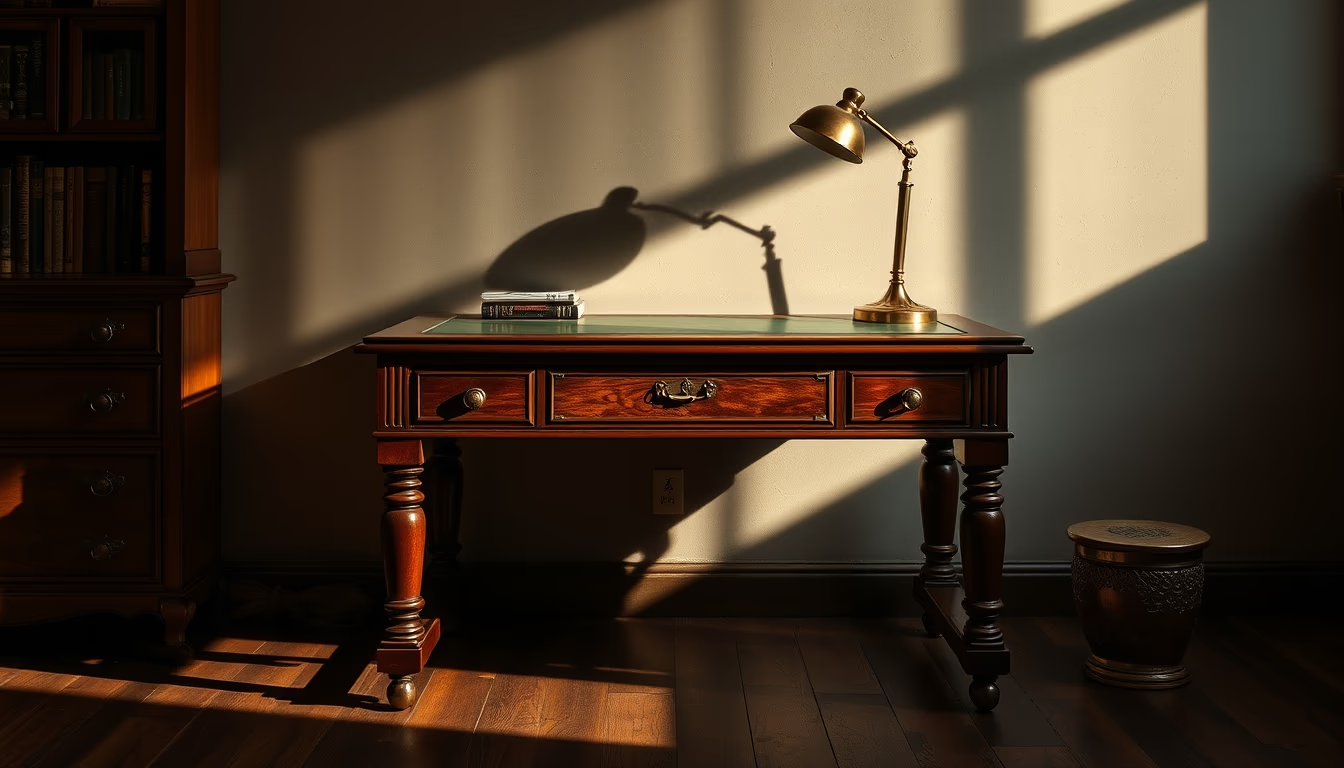
Roll top desk antique
1344×768 · AVIF · CC BY 4.0

Antique roll top desk, a solid wood 19th-century piece, symbol of functional and elegant Victorian design.
About this subject
The roll top desk became popular during the Victorian era, especially after the 1850s. Its sliding tambour mechanism, which reveals a writing compartment with drawers and cubbies, was patented by several manufacturers in the United States and Europe. The most famous model is the Wooton Desk, patented in 1874, which featured up to 110 compartments and was advertised as the 'president's office'. These pieces were typically crafted from fine woods such as mahogany, oak, or walnut, with hand-carved details and brass hardware.
Beyond its functionality, the roll top desk symbolized social status and organization. Businessmen and professionals used it to manage correspondence and documents, keeping everything at hand yet hidden under the roll top. The design allowed the user to lock all contents with a single key, providing security and privacy. Many antique models include secret compartments, showcasing the ingenuity of period cabinetmakers.
With the advent of Art Deco and modernism, production of these desks declined, but they remain highly collectible. Original 19th-century pieces can fetch thousands of dollars at auction, especially if in good condition with original patina. Restoring a roll top desk requires technical skill, as the rolling mechanism is complex and often damaged over time.
Interestingly, the term 'roll top' is also used for other furniture like chests and smaller desks, but the classic model always features a curved top covered with flexible wooden slats. For antique enthusiasts, identifying provenance and authenticity is part of the appeal, as many reproductions were made in the 20th century.
Frequently Asked Questions
How to identify an original antique roll top desk?
Check the tambour mechanism: originals use thin wooden slats glued to fabric or leather. Look for manufacturer marks, hand carving, and solid brass hardware. Aged patina and symmetrical imperfections from manual work are signs of authenticity.
What is the most common wood for antique roll top desks?
Mahogany, oak, and walnut are the most frequent. Mahogany was preferred for its durability and rich color. Some rarer pieces use cherry or ebony.
How much is a 19th-century roll top desk in good condition worth?
The value varies widely by model, condition, and provenance. A common piece might cost $500 to $1500 USD, while signed pieces by renowned makers can exceed $10,000 at specialized auctions.
Direct URL
https://pub-c7d6a6ea828543ac903a74a341ccb2e1.r2.dev/imagens/roll-top-desk-antique-aerial-drone-shot-fresh1.avifHow to credit
Include a visible link back to UtilizAí. Copy one of the snippets below:
<a href="https://xn--utiliza-eza.com/en/midia/imagens/roll-top-desk-antique-aerial-drone-shot-fresh1">Roll top desk antique</a> by <a href="https://xn--utiliza-eza.com">UtilizAí</a>, licensed under <a href="https://creativecommons.org/licenses/by/4.0/">CC BY 4.0</a>.
[Roll top desk antique](https://xn--utiliza-eza.com/en/midia/imagens/roll-top-desk-antique-aerial-drone-shot-fresh1) by [UtilizAí](https://xn--utiliza-eza.com), CC BY 4.0
License: CC-BY-4.0