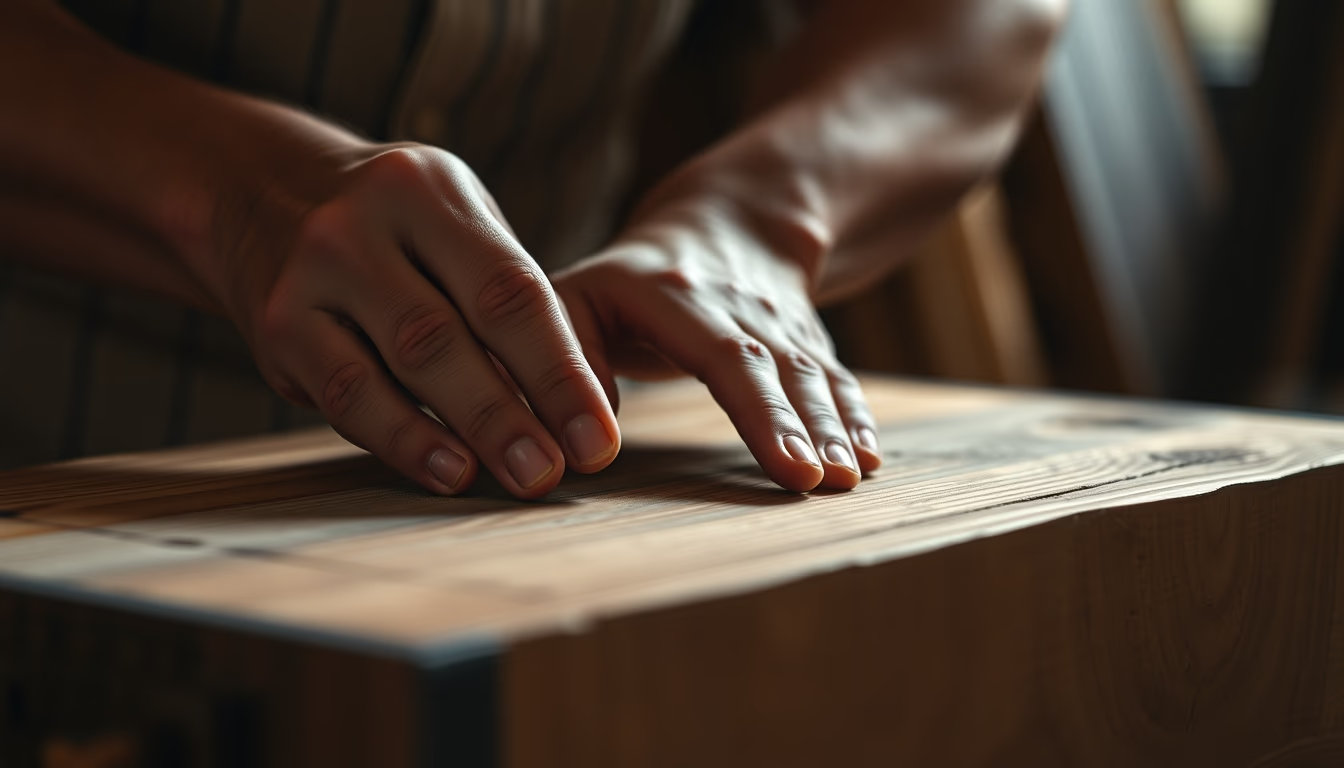
Rocking chair mid century
1344×768 · AVIF · CC BY 4.0

The mid-century rocking chair is an iconic piece of modern design, blending organic lines, natural wood, and comfortable functionality.
About this subject
The mid-century rocking chair is one of the most emblematic pieces of the modern movement that flourished between the 1940s and 1960s. It is characterized by organic, flowing lines, splayed legs that suggest movement, a curved seat that hugs the body, and slim, elegant arms. Exposed wood, often in teak, walnut, or beech, was prized for its natural grain and warm tones, lending an air of casual sophistication.
The design of these chairs was heavily influenced by the Ulm School and Scandinavian design, which prioritized functionality and minimalist aesthetics. Renowned designers such as Hans Wegner created iconic models, like the 1950 Rocking Chair, featuring a tall, curved backrest. Another example is the Eames RAR (Rocking Armchair Rod), designed by Charles and Ray Eames in 1950, which used molded plywood and a tubular steel base. These pieces were not merely decorative but intended for comfort and relaxation, with adjustable tilt in some cases.
Culturally, the mid-century rocking chair became a symbol of a modern, laid-back lifestyle, found in living rooms, porches, and bedrooms worldwide. Today, it is highly prized by collectors and design enthusiasts, and is reproduced by various brands. A curiosity is that many original versions had a reclining backrest, allowing the user to lie down fully. The mid-century rocking chair is a timeless piece that continues to inspire new generations of designers.
Frequently Asked Questions
Who are the most famous designers of mid-century rocking chairs?
The most famous designers include Hans Wegner, with his 1950 Rocking Chair model, and Charles and Ray Eames, with the Eames RAR. Other notable names are George Nakashima, Finn Juhl, and Arne Jacobsen, who also created iconic versions.
What type of wood is used in original mid-century rocking chairs?
The most common woods are teak, walnut, and beech. Teak was popular for its durability and natural beauty, while walnut offered dark, elegant tones. Beech was often used in more affordable models.
How to identify an authentic mid-century rocking chair?
Look for organic lines, splayed legs, and solid wood construction. Check for manufacturer marks or original labels. Authentic models usually have mortise-and-tenon joints and period-appropriate screws, along with a design that prioritizes comfort.
Direct URL
https://pub-c7d6a6ea828543ac903a74a341ccb2e1.r2.dev/imagens/rocking-chair-mid-century-film-grain-authentic-fresh11.avifHow to credit
Include a visible link back to UtilizAí. Copy one of the snippets below:
<a href="https://xn--utiliza-eza.com/en/midia/imagens/rocking-chair-mid-century-film-grain-authentic-fresh11">Rocking chair mid century</a> by <a href="https://xn--utiliza-eza.com">UtilizAí</a>, licensed under <a href="https://creativecommons.org/licenses/by/4.0/">CC BY 4.0</a>.
[Rocking chair mid century](https://xn--utiliza-eza.com/en/midia/imagens/rocking-chair-mid-century-film-grain-authentic-fresh11) by [UtilizAí](https://xn--utiliza-eza.com), CC BY 4.0
License: CC-BY-4.0