Robot vacuum on floor
1344×768 · AVIF · CC BY 4.0
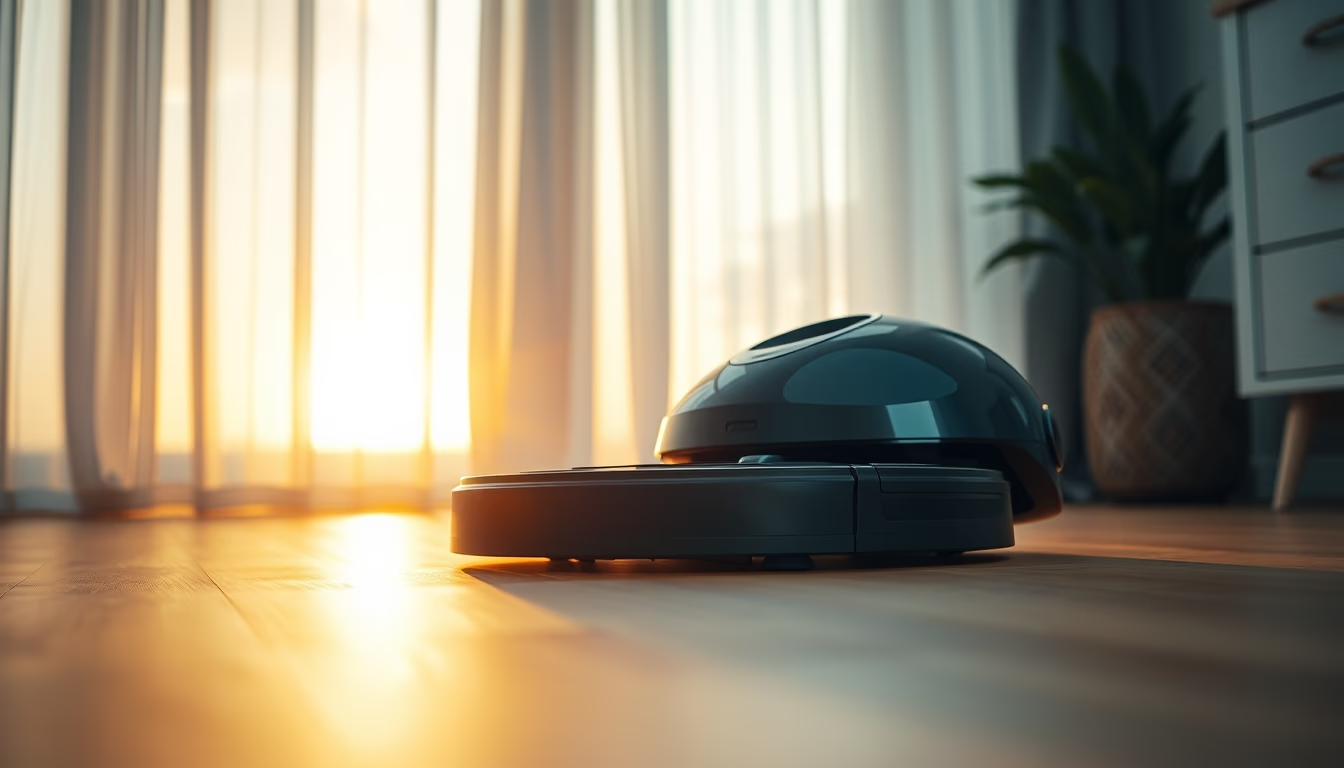
Robot vacuums transform home cleaning with smart sensors and increasing autonomy.
About this subject
Robot vacuums are autonomous devices designed to clean floors without human intervention. They use proximity sensors, cameras, and lasers to map the environment, avoid obstacles, and optimize cleaning routes. Advanced models from brands like iRobot Roomba, Roborock, and Xiaomi already incorporate artificial intelligence to recognize objects and adjust suction power based on floor type.
By 2026, the global robot vacuum market is expected to exceed $20 billion, driven by integration with voice assistants and smart home systems. In countries like Brazil, local brands such as Positivo and Multilaser offer affordable options ranging from $150 to $700. Popularity is rising among urban consumers seeking convenience.
Beyond vacuuming, many robots now perform sweeping and mopping functions. Features like auto-empty and persistent mapping allow scheduled cleaning across multiple rooms. Battery life ranges from 90 to 180 minutes, sufficient for homes up to 1,600 sq ft. Maintenance includes cleaning brushes and replacing filters every three months.
The technology continues to evolve: LiDAR sensors and machine learning algorithms improve navigation, while Wi-Fi connectivity enables remote control and real-time notifications. However, effectiveness depends on furniture layout and the presence of cords or high-pile rugs. Despite these limitations, robot vacuums have become a staple in the smart home category.
Frequently Asked Questions
Is a robot vacuum worth the investment?
Yes, for those seeking daily cleaning convenience. They are ideal for maintaining clean floors with minimal effort, especially in homes with pets or children. Models with mapping and auto-empty features offer better value.
How does mapping navigation work?
Robots use LiDAR sensors or cameras to create a digital map of the home. This map allows the device to plan efficient routes, avoid obstacles, and clean specific rooms on command. Some models save the map for ongoing use.
Do robot vacuums work on different floors?
Yes, they adapt to hard floors (wood, tile) and low-pile carpets. Models with floor-type sensors automatically adjust suction power. High-pile carpets may pose mobility challenges and reduce cleaning efficiency.
Direct URL
https://pub-c7d6a6ea828543ac903a74a341ccb2e1.r2.dev/imagens/robot-vacuum-on-floor-cinematic-wide-shot-p1.avifHow to credit
Include a visible link back to UtilizAí. Copy one of the snippets below:
<a href="https://xn--utiliza-eza.com/en/midia/imagens/robot-vacuum-on-floor-cinematic-wide-shot-p1">Robot vacuum on floor</a> by <a href="https://xn--utiliza-eza.com">UtilizAí</a>, licensed under <a href="https://creativecommons.org/licenses/by/4.0/">CC BY 4.0</a>.
[Robot vacuum on floor](https://xn--utiliza-eza.com/en/midia/imagens/robot-vacuum-on-floor-cinematic-wide-shot-p1) by [UtilizAí](https://xn--utiliza-eza.com), CC BY 4.0
License: CC-BY-4.0