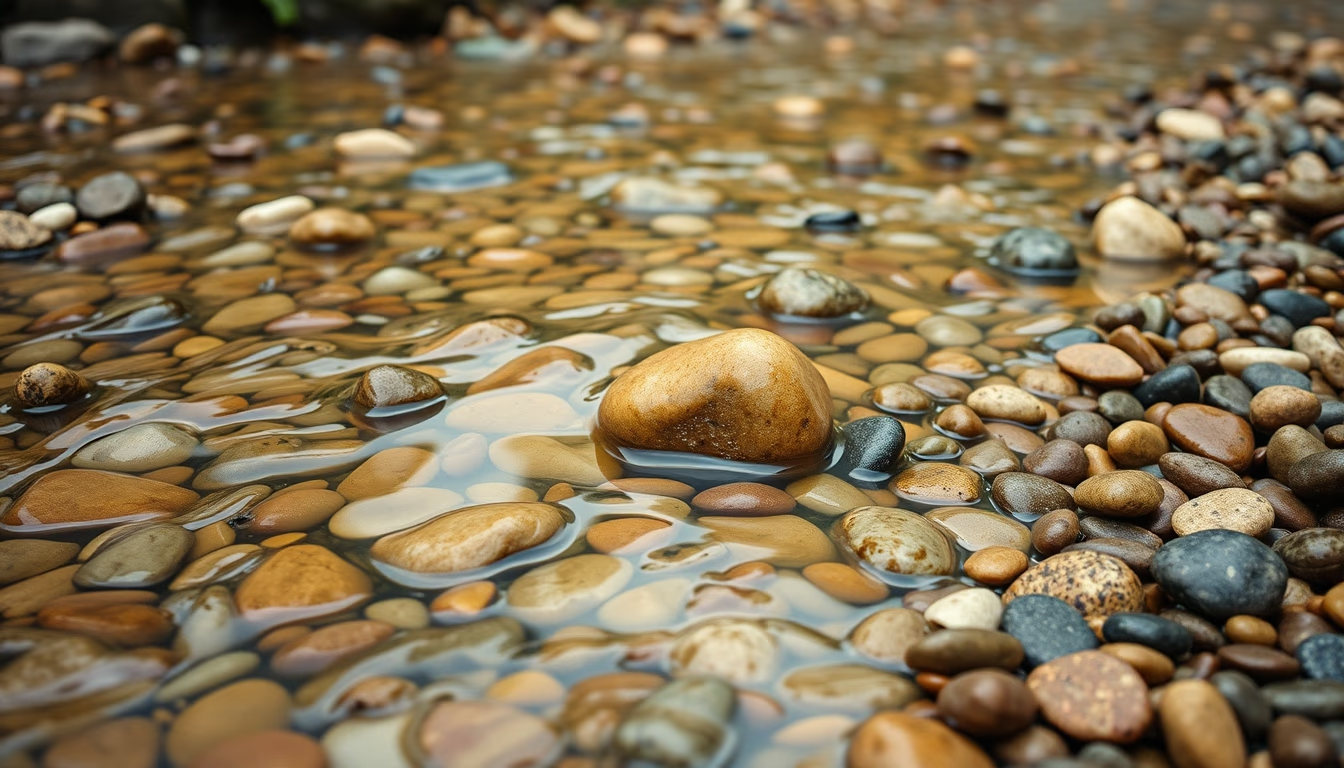
River smooth pebbles colorful
1344×768 · AVIF · CC BY 4.0
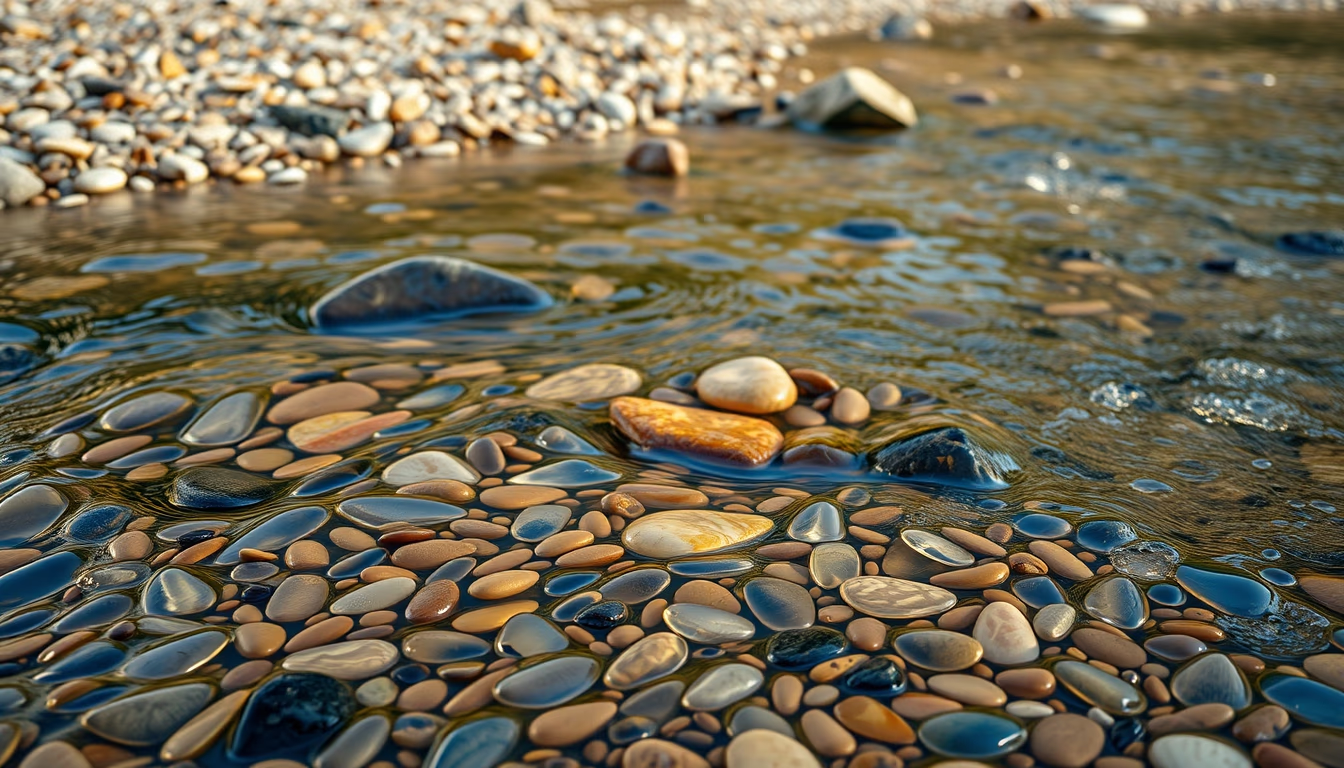
Colorful smooth river pebbles, shaped by millions of years of water erosion, are found in riverbeds worldwide, with uses in gardening, art, and geology.
About this subject
Smooth colorful river pebbles are rock fragments that have undergone millions of years of wear from being transported by rivers and streams. The continuous action of water and friction between particles rounds and polishes their surfaces, resulting in the characteristic smooth texture. The time required to form a pebble can range from hundreds to thousands of years, depending on the original rock hardness and water flow intensity.
The vibrant colors of pebbles reflect their mineral composition. Quartz and feldspar produce white and pink tones; iron oxides yield reds, oranges, and yellows; minerals like mica and chlorite create greens and blues. Basalts and granites contribute grays and blacks. In Brazil, rivers such as the São Francisco and the Amazon exhibit great color diversity due to the geological variety of their basins.
Ecologically, pebbles play a crucial role in aquatic ecosystems. They provide shelter for insects, larvae, and small fish, and aid natural water filtration by trapping sediments. In human culture, they are widely used in Zen gardens, pot decoration, flooring, and even handmade jewelry. Collectors seek stones with unique patterns for display.
A curiosity: the pebbles of the Yangtze River in China are famous for their shapes and colors, but in Brazil, the Jalapão region (Tocantins) is known for reddish quartz pebbles. Controlled extraction is important to preserve the balance of riverbeds.
Frequently Asked Questions
Why are river pebbles smooth?
River pebbles become smooth due to constant friction with water and other pebbles during transport along rivers and streams. This water erosion process, lasting thousands to millions of years, wears down edges and polishes the surface.
What colors can river pebbles have?
Colors vary by mineral content: quartz gives white and pink, iron oxides produce red, orange, and yellow, mica and chlorite yield green and blue, and basalts result in gray and black. Mineral combinations create unique patterns.
What are river pebbles used for?
They are used in gardening for pot decoration and Zen gardens, in flooring and tile work, in crafts and jewelry, as natural filters in aquariums, and as habitat for small aquatic organisms.
Direct URL
https://pub-c7d6a6ea828543ac903a74a341ccb2e1.r2.dev/imagens/river-smooth-pebbles-colorful-documentary-photography-fresh5.avifHow to credit
Include a visible link back to UtilizAí. Copy one of the snippets below:
<a href="https://xn--utiliza-eza.com/en/midia/imagens/river-smooth-pebbles-colorful-documentary-photography-fresh5">River smooth pebbles colorful</a> by <a href="https://xn--utiliza-eza.com">UtilizAí</a>, licensed under <a href="https://creativecommons.org/licenses/by/4.0/">CC BY 4.0</a>.
[River smooth pebbles colorful](https://xn--utiliza-eza.com/en/midia/imagens/river-smooth-pebbles-colorful-documentary-photography-fresh5) by [UtilizAí](https://xn--utiliza-eza.com), CC BY 4.0
License: CC-BY-4.0