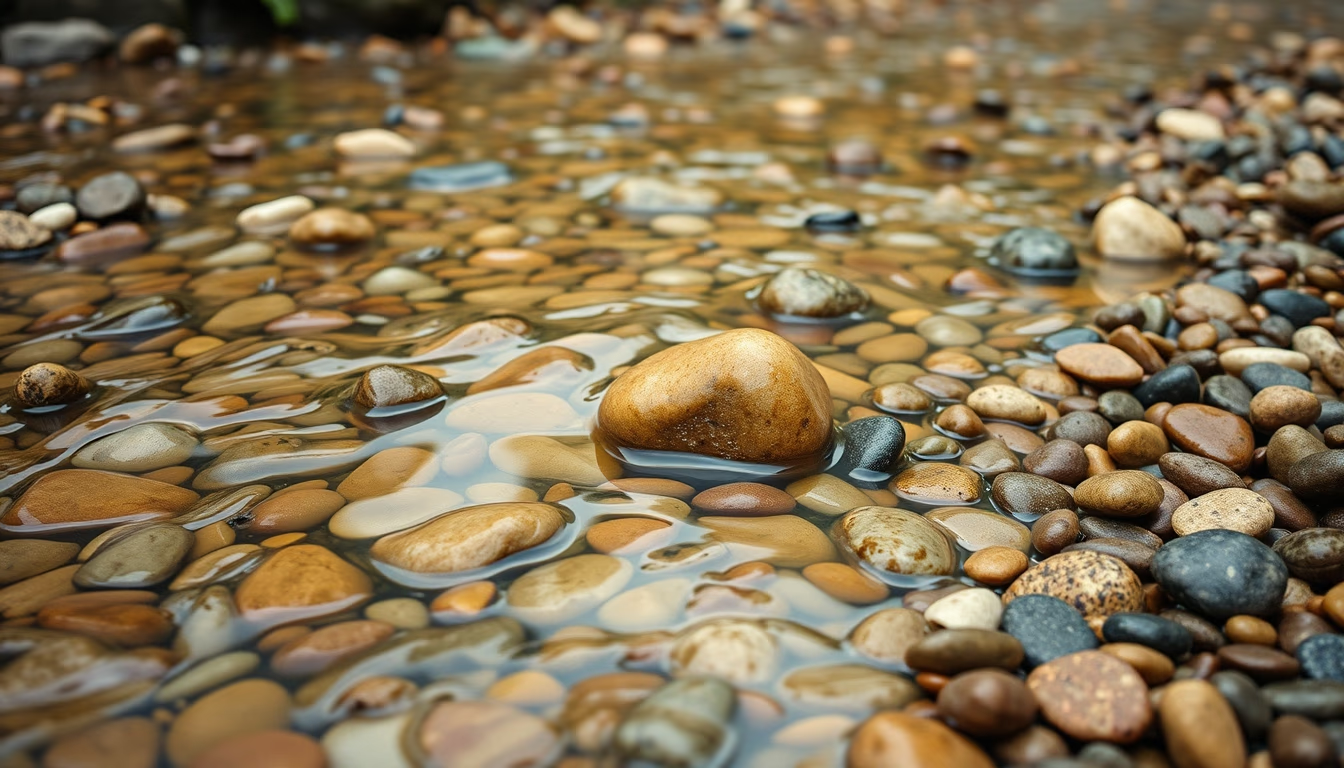
River smooth pebbles colorful
1344×768 · AVIF · CC BY 4.0

Smooth colorful river pebbles showcase Brazil's mineral diversity and the erosive power of water over millennia.
About this subject
River pebbles are rock fragments that, after thousands of years of water transport, become rounded and smooth. This natural process of abrasion and polishing occurs mainly in steady-flowing rivers, such as those in the Brazilian Cerrado and Amazon biomes. The varied colors, from gray and black to red, yellow, green, and white, result from different minerals in the source rocks. Quartz, feldspar, granite, and basalt are common, and the presence of iron oxides, manganese, or copper gives pebbles their vibrant hues.
In Brazil, rivers like the São Francisco, Tocantins, and Paraná are known for abundant colorful pebbles. During seasonal floods, water volume and speed increase, intensifying rock wear. In the dry season, pebbles are exposed on river beaches, creating aesthetically and scientifically valuable landscapes. This exposure allows collection by researchers and artisans, who use the stones in mosaics, jewelry, and decoration.
Beyond ornamental value, pebbles serve important ecological roles. They provide shelter for aquatic invertebrates, fish eggs, and insect larvae, contributing to river biodiversity. The porosity of some pebble types also aids in filtering water impurities. However, excessive extraction can compromise bank stability and endangered species habitats.
Culturally, pebbles appear in indigenous and riverside traditions, used in healing rituals and as amulets. In geology, the study of pebble distribution along river stretches helps map ancient drainage routes and understand landscape evolution. Analysis of colors and compositions also reveals source rock origins and weathering processes over geological time.
Frequently Asked Questions
Why do river pebbles have rounded shapes?
Rounding occurs from continuous friction and impact between rock particles during transport by currents over thousands of years. This abrasion process wears down edges and creates smooth surfaces.
Where do the colors of colorful pebbles come from?
Colors are determined by minerals in the original rock. Iron oxides give red and yellow hues, manganese produces black or brown, and copper can yield green. Pure quartz is white or translucent.
What is the ecological importance of pebbles in rivers?
Pebbles provide shelter and substrate for fish eggs and aquatic invertebrates. They also aid in natural water filtration and stabilize the riverbed, preventing excessive erosion.
Direct URL
https://pub-c7d6a6ea828543ac903a74a341ccb2e1.r2.dev/imagens/river-smooth-pebbles-colorful-cinematic-wide-shot-fresh6.avifHow to credit
Include a visible link back to UtilizAí. Copy one of the snippets below:
<a href="https://xn--utiliza-eza.com/en/midia/imagens/river-smooth-pebbles-colorful-cinematic-wide-shot-fresh6">River smooth pebbles colorful</a> by <a href="https://xn--utiliza-eza.com">UtilizAí</a>, licensed under <a href="https://creativecommons.org/licenses/by/4.0/">CC BY 4.0</a>.
[River smooth pebbles colorful](https://xn--utiliza-eza.com/en/midia/imagens/river-smooth-pebbles-colorful-cinematic-wide-shot-fresh6) by [UtilizAí](https://xn--utiliza-eza.com), CC BY 4.0
License: CC-BY-4.0