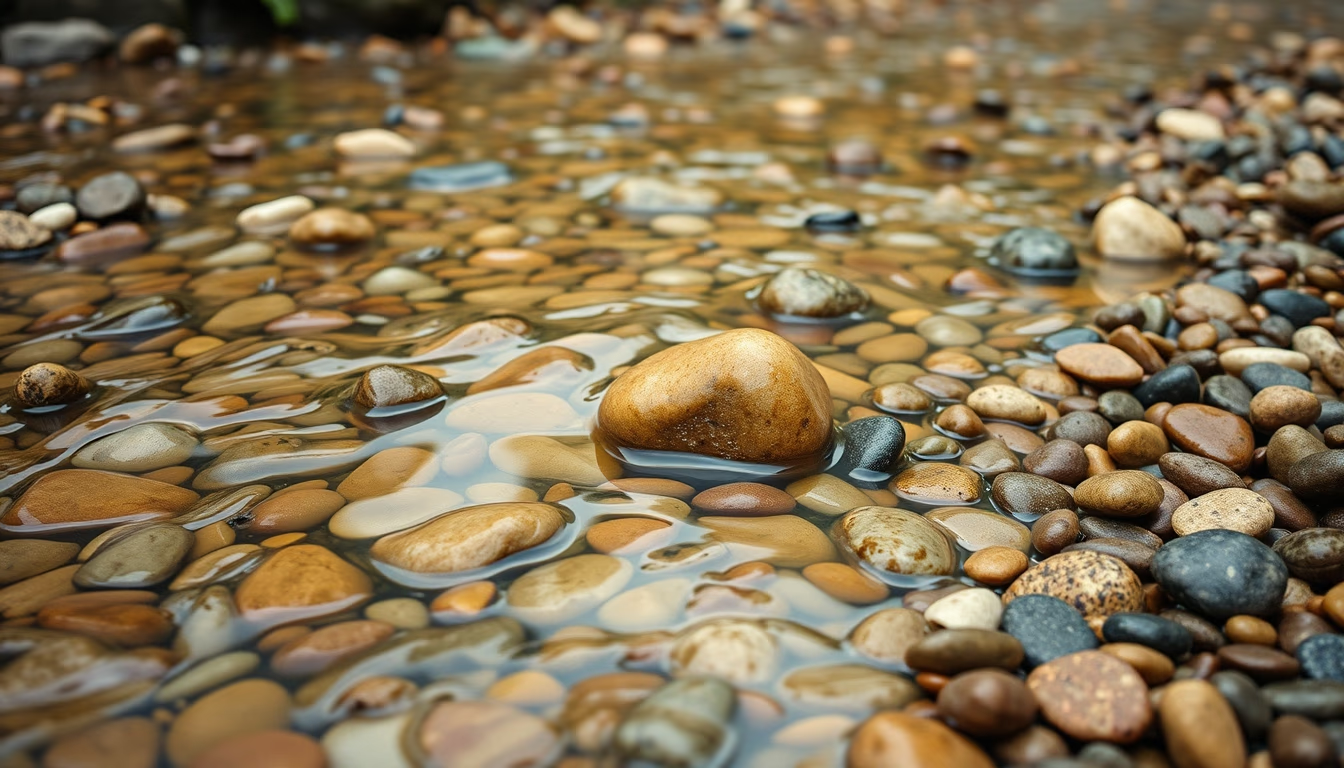
River smooth pebbles colorful
1344×768 · AVIF · CC BY 4.0
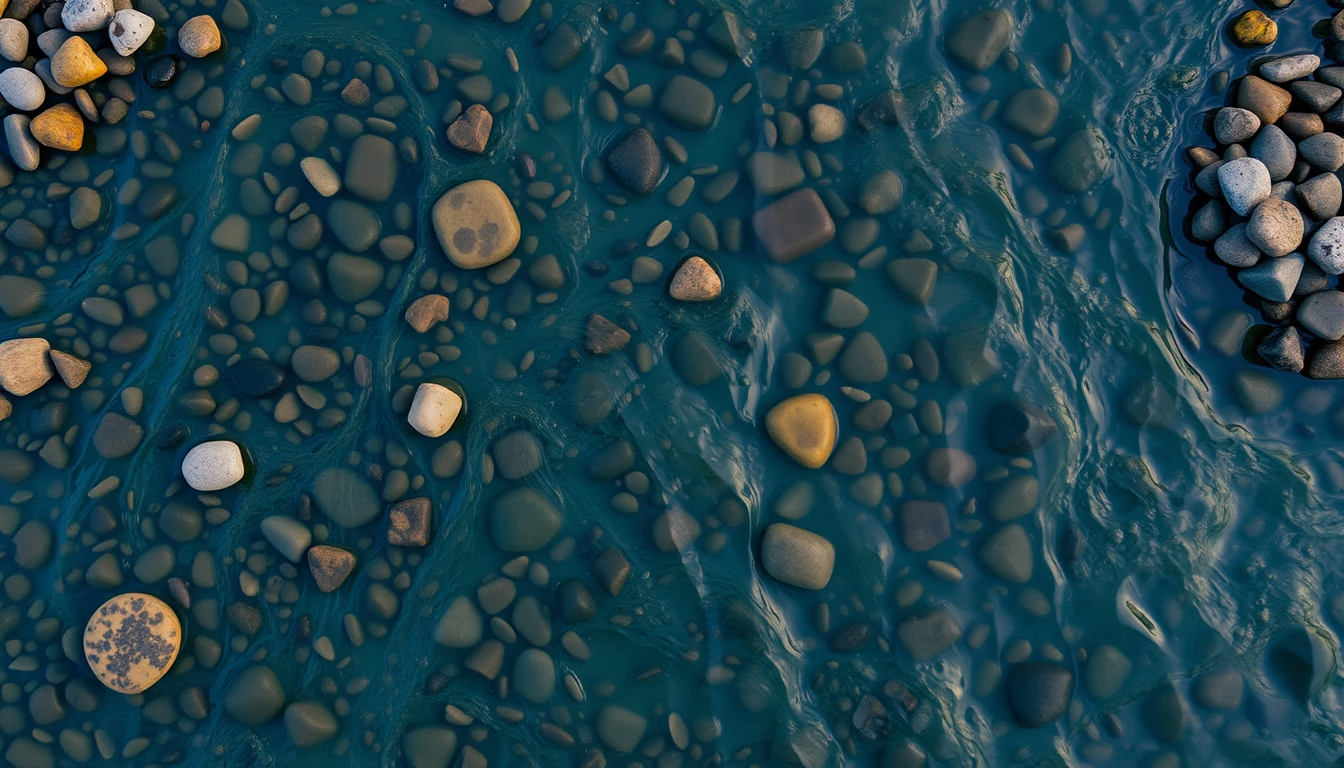
Colorful smooth river pebbles seen from above reveal mineral diversity and the erosive action of water over time.
About this subject
Smooth, colorful pebbles lining riverbeds are the product of millennia of erosion and transport of rock fragments. As flowing water carries stones and debris, they grind against each other, becoming rounded and polished. The varied colors come from different minerals in the original rocks: quartz yields white or translucent tones, iron oxide produces reds and yellows, while minerals like malachite create intense greens. These colors are best appreciated when the riverbed is dry or in shallow water, as in aerial photographs that highlight the natural mosaic.
In tropical and subtropical rivers, such as those crossing Brazil, abundant colorful pebbles are common in rapids and alluvial deposits. For instance, in the São Francisco River and tributaries of the Amazon, large stretches of pebbles form natural carpets. Beyond aesthetics, these pebbles play an important ecological role: they create microhabitats for aquatic invertebrates and serve as substrate for algae, contributing to the river's food chain.
The formation of smooth pebbles is closely linked to fluvial dynamics. In high-energy stretches like rapids, stones are constantly tumbled and abraded, accelerating rounding. In slower currents, pebbles remain more stationary and may be covered by fine sediment. A curiosity: the world's most famous pebble beach is Chesil Beach in England, but in Brazil, Praia dos Seixos in Paraty (RJ) is also known for its rounded stones.
For collectors and landscapers, colorful pebbles are valued in garden and aquarium projects. However, large-scale removal can cause environmental imbalances, such as increased bank erosion and habitat destruction. Therefore, observation and photography, like the aerial view that inspired this description, are sustainable ways to appreciate these natural treasures.
Frequently Asked Questions
Why are river pebbles colorful?
Colors come from minerals in the original rocks. Iron oxides produce reddish hues, quartz yields white or translucent tones, and minerals like malachite create green. The color diversity reflects local geology.
Where can I find smooth colorful pebbles in Brazil?
They are common in tropical rivers such as the São Francisco River and Amazon tributaries. Pebble beaches also occur, like Praia dos Seixos in Paraty (RJ).
What is the ecological importance of pebbles in rivers?
Pebbles create microhabitats for aquatic invertebrates, serve as substrate for algae, and help stabilize the riverbed, preventing excessive erosion.
Direct URL
https://pub-c7d6a6ea828543ac903a74a341ccb2e1.r2.dev/imagens/river-smooth-pebbles-colorful-aerial-drone-shot-fresh8.avifHow to credit
Include a visible link back to UtilizAí. Copy one of the snippets below:
<a href="https://xn--utiliza-eza.com/en/midia/imagens/river-smooth-pebbles-colorful-aerial-drone-shot-fresh8">River smooth pebbles colorful</a> by <a href="https://xn--utiliza-eza.com">UtilizAí</a>, licensed under <a href="https://creativecommons.org/licenses/by/4.0/">CC BY 4.0</a>.
[River smooth pebbles colorful](https://xn--utiliza-eza.com/en/midia/imagens/river-smooth-pebbles-colorful-aerial-drone-shot-fresh8) by [UtilizAí](https://xn--utiliza-eza.com), CC BY 4.0
License: CC-BY-4.0