Rio carnival float colorful
1344×768 · AVIF · CC BY 4.0
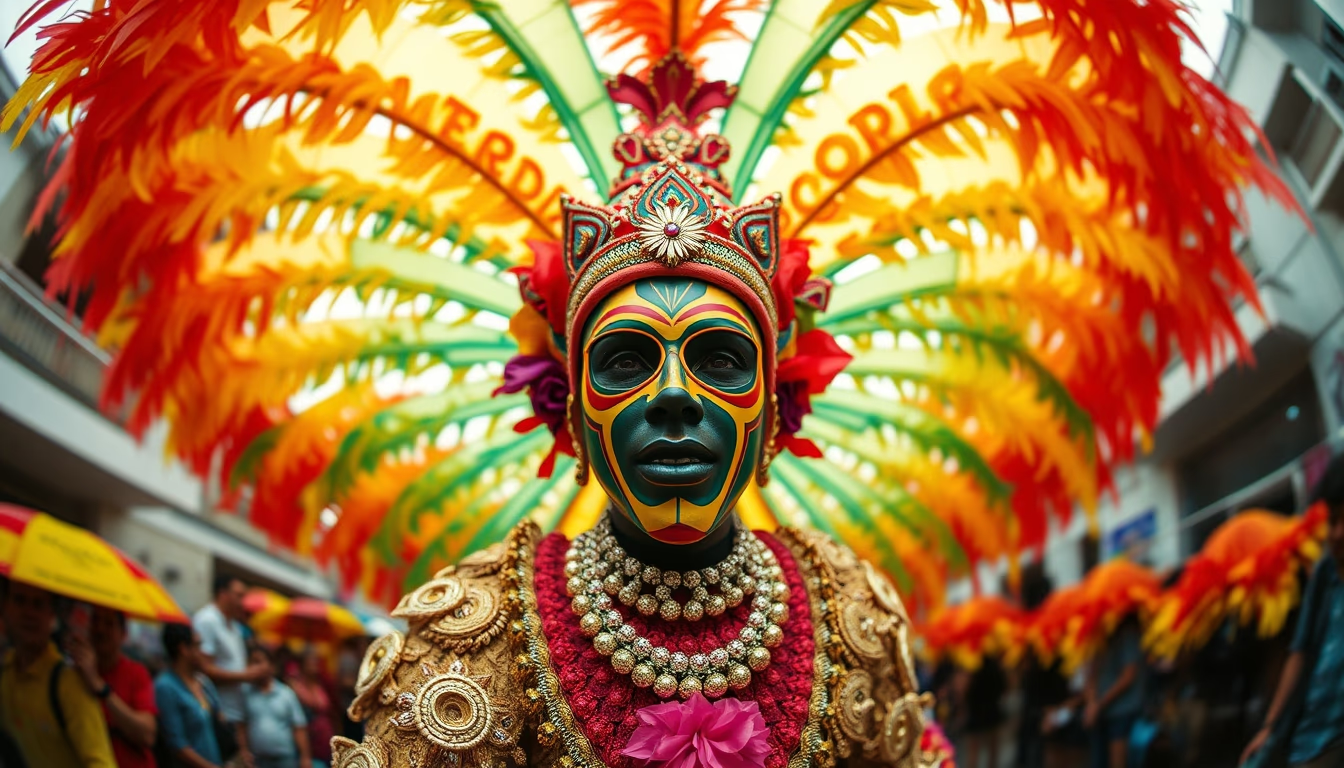
Rio Carnival floats are monumental works of art and engineering, reaching up to 15 meters in height and involving hundreds of artists.
About this subject
Carnival floats are the heart of samba school parades at the Sambódromo Marquês de Sapucaí in Rio de Janeiro. Each school creates a thematic narrative and develops gigantic allegories that tell a visual story. The structures are built at Cidade do Samba, a complex of warehouses where thousands of professionals work for months. Materials such as styrofoam, fiberglass, steel, and fabrics are shaped into intricate sculptures, often equipped with electronic mechanisms and lighting effects.
The tradition of carnival floats dates back to 19th century parades but gained monumental scale from the 1970s onward. Today, a single float can weigh over 40 tons and require up to 300 workers to assemble. The cost of one allegory can reach R$1 million, funded by sponsorships and the city government. The parade is broadcast live to more than 150 countries, making the floats icons of Brazilian culture.
Allegories also address social and environmental issues. Recent themes include Amazon deforestation and racial equality. Schools like Mangueira and Beija-Flor invest in material recycling and waste reduction during construction. The 2023 carnival highlighted sustainability with floats made from recycled PET bottles.
Beyond cultural impact, floats generate temporary jobs for sculptors, seamstresses, engineers, and electricians. Preparation begins right after the previous year's carnival, with historical and costume research. On parade day, each allegory is escorted by dozens of security guards and inspectors to ensure it does not exceed the 82-minute time limit.
Frequently Asked Questions
How long does it take to build a Rio Carnival float?
Construction takes 6 to 8 months, starting right after the previous Carnival. It involves research, design, modeling, and final assembly at Cidade do Samba.
What is the average cost of a carnival float?
Costs range from R$500,000 to R$1.5 million, depending on complexity, height, and special mechanisms. Major schools invest more in details and technology.
How are the floats transported to the Sambódromo?
They are disassembled into parts and trucked overnight. Final assembly occurs hours before the parade, using cranes and engineering teams.
Direct URL
https://pub-c7d6a6ea828543ac903a74a341ccb2e1.r2.dev/imagens/rio-carnival-float-colorful-fish-eye-wide-angle-fresh10.avifHow to credit
Include a visible link back to UtilizAí. Copy one of the snippets below:
<a href="https://xn--utiliza-eza.com/en/midia/imagens/rio-carnival-float-colorful-fish-eye-wide-angle-fresh10">Rio carnival float colorful</a> by <a href="https://xn--utiliza-eza.com">UtilizAí</a>, licensed under <a href="https://creativecommons.org/licenses/by/4.0/">CC BY 4.0</a>.
[Rio carnival float colorful](https://xn--utiliza-eza.com/en/midia/imagens/rio-carnival-float-colorful-fish-eye-wide-angle-fresh10) by [UtilizAí](https://xn--utiliza-eza.com), CC BY 4.0
License: CC-BY-4.0