Rio carnival float colorful
1344×768 · AVIF · CC BY 4.0
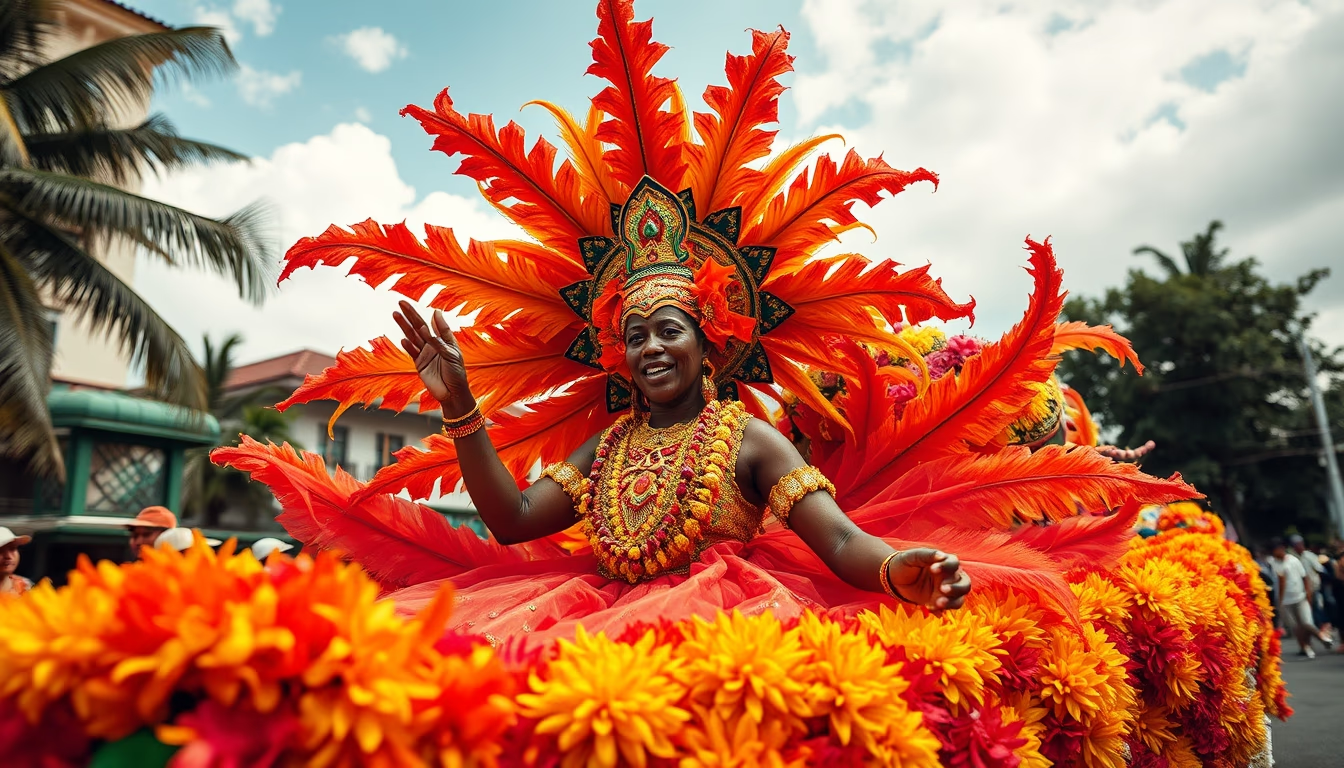
The floats of the Rio Carnival are monumental structures that combine engineering, art, and popular culture, transforming the avenue into a unique spectacle.
About this subject
The floats are the visual heart of the samba school parades at the Sambódromo in Rio de Janeiro. Each school presents four to eight floats, designed by a carnavalesco, who develops a thematic narrative over the year. The structures can reach 12 meters in height and 60 meters in length, requiring rigorous structural calculations to ensure stability during the parade, especially with dozens of dancers and celebrities moving on them.
Building a float can take months and involves hundreds of professionals, including blacksmiths, sculptors, painters, and electricians. Materials used include Styrofoam, fiberglass, steel, fabrics, foam, and millions of LED lights, which give the characteristic glow. The allegories must be light enough to be pushed by dozens of men or towed by tractors, yet strong enough to bear the weight of components and people.
The storylines of samba schools are often inspired by Brazilian historical, cultural, or social themes, such as the abolition of slavery, Amazonian folklore, or the works of national artists. Each float represents a part of the plot, with giant sculptures, mechanical movements, and special effects like smoke and water jets. The creativity of carnavalescos attracts major brands and sponsors, who invest millions of reais in the parades, turning them into advertising and tourism showcases.
The economic impact of Rio Carnival is significant: it generates about 5 billion reais per year, through ticket sales, tourism, and television broadcasts to over 190 countries. The floats are the main visual attraction, and their images circulate worldwide, reinforcing Rio's image as the Carnival capital. Despite high costs, samba schools compete for the championship title, with judges evaluating everything from drum section harmony to the execution of the allegories.
Frequently Asked Questions
How long does it take to build a Rio Carnival float?
Building a float can take from two to six months, depending on the project's complexity and the school's budget. Work usually starts right after the previous carnival with the definition of the theme and initial sketches.
What materials are used in Carnival floats?
Common materials include Styrofoam, fiberglass, steel, fabrics, foam, LED lights, and special paints. Some floats also incorporate mechanical and electronic elements for movement and visual effects.
How are the floats judged?
Judges evaluate creativity, execution of allegories, integration with the plot, quality of materials, and safety. Each school receives scores from 9 to 10 per criterion, and the sum determines the champion.
Direct URL
https://pub-c7d6a6ea828543ac903a74a341ccb2e1.r2.dev/imagens/rio-carnival-float-colorful-documentary-nature-style-fresh2.avifHow to credit
Include a visible link back to UtilizAí. Copy one of the snippets below:
<a href="https://xn--utiliza-eza.com/en/midia/imagens/rio-carnival-float-colorful-documentary-nature-style-fresh2">Rio carnival float colorful</a> by <a href="https://xn--utiliza-eza.com">UtilizAí</a>, licensed under <a href="https://creativecommons.org/licenses/by/4.0/">CC BY 4.0</a>.
[Rio carnival float colorful](https://xn--utiliza-eza.com/en/midia/imagens/rio-carnival-float-colorful-documentary-nature-style-fresh2) by [UtilizAí](https://xn--utiliza-eza.com), CC BY 4.0
License: CC-BY-4.0