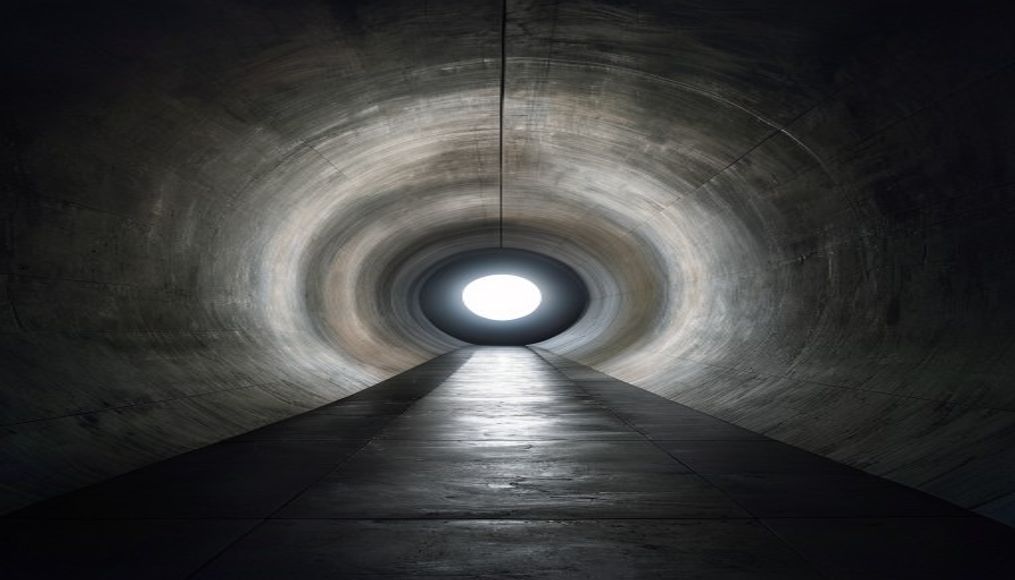
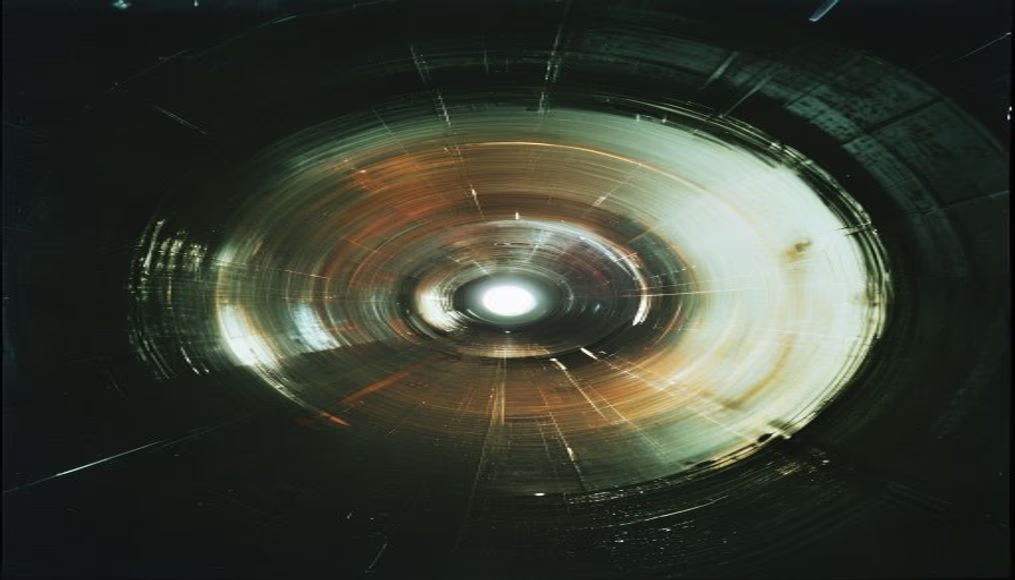
Red giant star expanding
1344×768 · AVIF · CC BY 4.0

A red giant star is an advanced phase in stellar evolution, when the star expands in volume and cools its surface after exhausting nuclear hydrogen.
About this subject
Stars like the Sun, after exhausting hydrogen in their cores, enter the red giant phase. During this stage, the core contracts and heats up while the outer layers expand enormously, making the star hundreds of times larger than its original size. The surface temperature drops to about 3,000 to 4,000 Kelvin, giving it the characteristic reddish color. This process lasts up to 1 billion years for solar-mass stars but is much faster in massive stars.
The most famous red giant is Betelgeuse in the constellation Orion, with about 700 times the Sun's diameter. Betelgeuse is a red supergiant, a more extreme variant, and its proximity (roughly 640 light-years) allows detailed study. In 2019, Betelgeuse underwent a major dimming, sparking speculation about an imminent supernova, but it later stabilized. Another example is Aldebaran, a red giant 65 light-years away, visible as a bright star in the night sky.
During the red giant phase, the star loses mass through intense stellar winds, enriching the interstellar medium with heavy elements like carbon and oxygen. This material is crucial for forming new stars and planets. Eventually, the star ejects its outer layers, creating a planetary nebula, while the core becomes a white dwarf. Stars with more than 8 solar masses evolve into red supergiants and explode as supernovae, leaving neutron stars or black holes.
Observing red giants helps astronomers calibrate stellar evolution models and measure distances in the universe. They also serve as age indicators for star clusters, since less massive stars take longer to reach this phase. In the future, the Sun will become a red giant in about 5 billion years, engulfing Mercury and Venus, and possibly Earth, before transforming into a planetary nebula.
Frequently Asked Questions
What happens to a star when it becomes a red giant?
It expands in volume and cools on the surface, while the core contracts and heats up. The star loses mass through stellar winds and eventually ejects its outer layers, forming a planetary nebula.
How long does the red giant phase last for Sun-like stars?
About 1 billion years. More massive stars evolve faster, lasting only a few million years as red giants.
Will the Sun become a red giant? When?
Yes, in approximately 5 billion years. During that phase, it will engulf Mercury and Venus, and possibly Earth.
Direct URL
https://pub-c7d6a6ea828543ac903a74a341ccb2e1.r2.dev/imagens/red-giant-star-expanding-aerial-drone-shot-p5.avifHow to credit
Include a visible link back to UtilizAí. Copy one of the snippets below:
<a href="https://xn--utiliza-eza.com/en/midia/imagens/red-giant-star-expanding-aerial-drone-shot-p5">Red giant star expanding</a> by <a href="https://xn--utiliza-eza.com">UtilizAí</a>, licensed under <a href="https://creativecommons.org/licenses/by/4.0/">CC BY 4.0</a>.
[Red giant star expanding](https://xn--utiliza-eza.com/en/midia/imagens/red-giant-star-expanding-aerial-drone-shot-p5) by [UtilizAí](https://xn--utiliza-eza.com), CC BY 4.0
License: CC-BY-4.0